




Which foods naturally boost testosterone for male vitality & performance?

Understanding Testosterone’s Role in Male Health
Testosterone, the primary male sex hormone, plays a crucial role far beyond libido and muscle mass. It influences energy levels, mood, bone density, red blood cell production, and even cognitive function. As men age, testosterone levels naturally decline, often leading to symptoms like fatigue, reduced strength, decreased libido, and mood changes. While various factors contribute to healthy testosterone levels, diet stands out as a powerful and natural way to support this vital hormone.
Key Nutrients for Natural Testosterone Production
Several micronutrients are essential co-factors in the body’s testosterone synthesis pathways. Focusing on foods rich in these specific nutrients can significantly impact your hormonal health.
1. Zinc: The Mineral Powerhouse
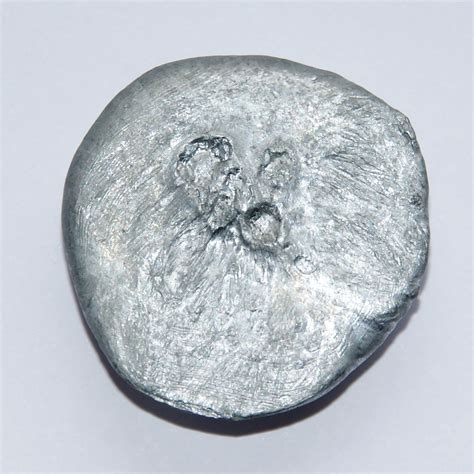
Zinc is perhaps one of the most well-known minerals linked to testosterone production. Studies show that zinc deficiency can lead to lower testosterone levels, while adequate intake can help maintain or even boost them. It’s involved in various enzymatic reactions, including those in the testes.
- Oysters and Shellfish: King among zinc sources, a serving of oysters provides a massive dose. Other shellfish like crab and lobster are also excellent.
- Red Meat: Beef and lamb are rich in zinc, along with iron and protein, which are beneficial for overall health.
- Pumpkin Seeds: A great plant-based source of zinc, magnesium, and healthy fats.
- Beans and Legumes: While they contain phytates that can inhibit absorption, they still contribute to overall zinc intake.
2. Vitamin D: The Sunshine Vitamin
Often referred to as a hormone itself, Vitamin D is crucial for numerous bodily functions, including male hormonal health. Research indicates a strong correlation between sufficient Vitamin D levels and higher testosterone. Getting enough sunlight is key, but dietary sources can also contribute.
- Fatty Fish: Salmon, mackerel, tuna, and sardines are excellent natural sources of Vitamin D and omega-3 fatty acids.
- Egg Yolks: A convenient source of Vitamin D, especially from pasture-raised hens.
- Fortified Foods: Some milks, yogurts, and cereals are fortified with Vitamin D.
3. Healthy Fats: Essential for Hormone Synthesis
Testosterone is a steroid hormone, meaning it’s synthesized from cholesterol. Therefore, consuming adequate amounts of healthy fats is vital. Don’t shy away from healthy fats; they are foundational for hormone production and overall well-being.
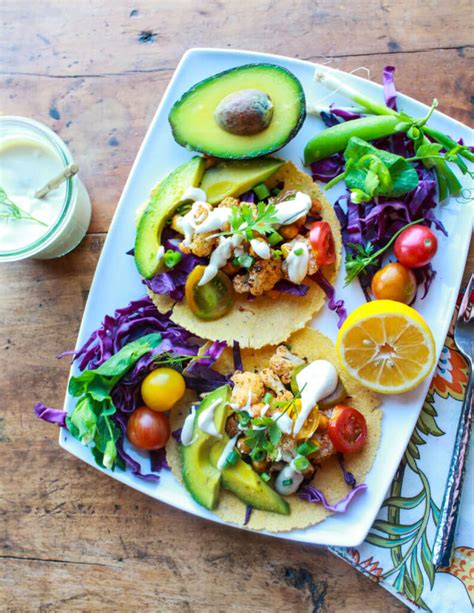
- Avocados: Packed with monounsaturated fats, Vitamin E, and potassium.
- Olive Oil: Extra virgin olive oil has been shown to improve testosterone levels in some studies.
- Nuts and Seeds: Almonds, walnuts, chia seeds, and flaxseeds provide healthy fats, fiber, and various micronutrients.
4. Magnesium: More Than Just Muscle Relaxation
Magnesium plays a role in over 300 enzymatic reactions in the body, including those that influence testosterone. Adequate magnesium intake is associated with higher free and total testosterone levels, particularly when combined with exercise.
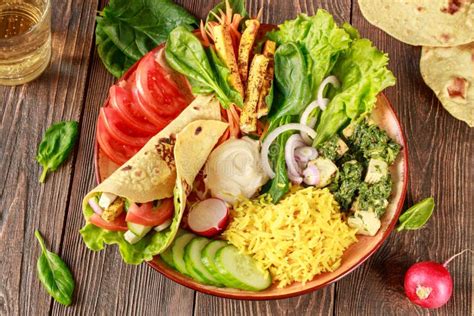
- Spinach and Leafy Greens: Excellent sources of magnesium and a host of other vitamins and minerals.
- Almonds and Cashews: Good for snacking and boosting magnesium intake.
- Black Beans and Lentils: Provide magnesium, fiber, and protein.
5. Antioxidant-Rich Foods and Cruciferous Vegetables
While not directly involved in testosterone synthesis, these foods help create an optimal environment for hormone balance by reducing oxidative stress and managing estrogen levels.
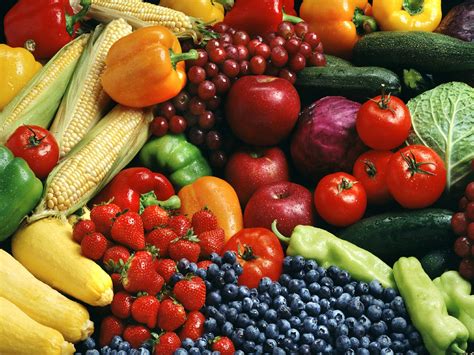
- Berries and Colorful Fruits: Loaded with antioxidants to combat inflammation and oxidative damage.
- Garlic: Contains compounds like allicin, which may help reduce cortisol, allowing testosterone to flourish.
- Cruciferous Vegetables: Broccoli, cauliflower, Brussels sprouts, and cabbage contain indole-3-carbinol (I3C), which helps the body metabolize estrogen more effectively, potentially leading to a better testosterone-to-estrogen ratio.
Putting It All Together: A Holistic Dietary Approach
Boosting testosterone naturally isn’t about eating one “magic” food; it’s about adopting a balanced, nutrient-dense diet rich in whole foods. Prioritize lean proteins, healthy fats, complex carbohydrates, and an abundance of fruits and vegetables. Avoid processed foods, excessive sugar, and unhealthy trans fats, as these can negatively impact hormone health and overall well-being.
Combining a testosterone-friendly diet with regular exercise (especially strength training), adequate sleep, and stress management will provide the most comprehensive approach to enhancing male vitality and performance. Always consult with a healthcare professional before making significant dietary changes, especially if you have underlying health conditions.