





What’s the optimal workout split for peak strength & lean muscle gains, fast?

Introduction: Unlocking Rapid Gains
The quest for a perfect physique often leads lifters down a rabbit hole of training methodologies. When the goal is to achieve peak strength and rapid lean muscle gains, the chosen workout split becomes paramount. It dictates how often you train specific muscle groups, how much volume you apply, and how much recovery time is allocated. But with so many options, what truly is the ‘optimal’ path to fast results?
This article will dissect the most popular and effective workout splits, evaluating their suitability for maximizing strength and hypertrophy quickly, while considering crucial factors like recovery, frequency, and individual capacity.

Understanding the Core Principles of Growth
Before diving into specific splits, it’s essential to grasp the fundamental drivers of muscle and strength gains:
- Progressive Overload: Continuously challenging your muscles by increasing weight, reps, sets, or decreasing rest times. This is non-negotiable for sustained progress.
- Frequency: How often a muscle group is trained per week. Higher frequency (2-3x/week) is generally superior for muscle protein synthesis and skill acquisition for strength.
- Volume: The total amount of work performed (sets x reps x weight). There’s an optimal volume range; too little won’t stimulate growth, too much can impede recovery.
- Intensity: The effort exerted during a set, often measured by proximity to failure. High intensity is crucial for stimulating muscle fibers.
- Recovery: Adequate rest, sleep, and nutrition are as important as the training itself. Muscles grow outside the gym.
Popular Workout Splits: A Detailed Look
Full Body Workout
What it is: Training all major muscle groups in a single session, typically 2-4 times per week.
Pros for fast gains: High frequency for all muscle groups, excellent for beginners to build foundational strength and learn movement patterns, burns more calories per session. Promotes overall athletic development.
Cons: Each session can be long and demanding. Volume per muscle group per session must be managed to avoid overtraining, which can limit peak strength work on compound lifts.
Ideal for: Beginners, individuals with limited training days (e.g., 3x/week), or those prioritizing general fitness and strength.
Upper/Lower Split
What it is: Dividing your training into upper body days and lower body days, usually performed 4 times per week (e.g., Upper, Lower, Rest, Upper, Lower, Rest, Rest).
Pros for fast gains: Allows for moderate frequency (2x/week per muscle group) and higher volume per session for specific body parts. Good balance between work and recovery. Excellent for intermediate lifters.
Cons: Requires 4 dedicated days in the gym. Upper body sessions can become very long if too many exercises are included.
Ideal for: Intermediate lifters looking to increase training volume and frequency beyond a full-body routine, offering a balanced approach to strength and hypertrophy.
Push/Pull/Legs (PPL)
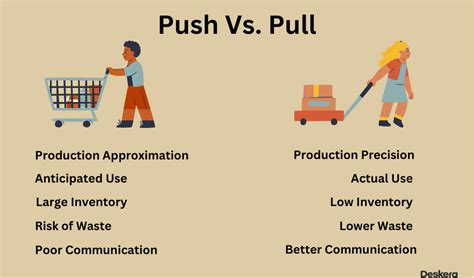
What it is: Splitting workouts into ‘push’ muscles (chest, shoulders, triceps), ‘pull’ muscles (back, biceps), and ‘legs’ (quads, hamstrings, glutes, calves). Often done 6 times per week (Push, Pull, Legs, Push, Pull, Legs, Rest).
Pros for fast gains: High frequency (2x/week per muscle group) and very high volume potential. Efficiently groups synergistic muscles, allowing for maximum effort on each training day. Ideal for experienced intermediates and advanced lifters seeking rapid progress.
Cons: Requires 6 days in the gym, which is a significant time commitment. Recovery can be an issue if volume and intensity are too high for too long. Not recommended for beginners.
Ideal for: Dedicated intermediate to advanced lifters with excellent recovery capacity and ample gym time, focused on maximizing hypertrophy and strength in a structured manner.
Bro Split (Body Part Split)
What it is: Training each major muscle group only once per week (e.g., Monday: Chest, Tuesday: Back, Wednesday: Legs, etc.).
Pros for fast gains: Allows for extremely high volume per muscle group in a single session, leading to significant muscle soreness (which some equate to growth, though it’s not always indicative). Can be psychologically satisfying to completely exhaust a muscle.
Cons: Very low frequency (1x/week per muscle group), which is generally considered suboptimal for maximal muscle protein synthesis and strength gains, especially for natural lifters. Long recovery periods between direct training sessions for a given muscle can mean missed opportunities for growth.
Ideal for: Advanced bodybuilders (often enhanced) who can recover from extremely high volumes and have developed a strong mind-muscle connection, or those who simply enjoy this style of training and are not necessarily prioritizing the fastest possible gains.
Choosing Your Optimal Split for Speed and Efficacy
The “optimal” split isn’t universally fixed; it’s highly individual and depends on:
- Experience Level: Beginners benefit most from full-body or upper/lower splits to master movements and build work capacity. As you advance, PPL or more specialized splits can be introduced.
- Recovery Capacity: Your sleep, nutrition, stress levels, and genetics heavily influence how quickly you can recover. A 6-day PPL may be too much for someone with poor recovery.
- Time Commitment: How many days a week can you realistically dedicate to intense training?
- Specific Goals: While this article focuses on strength and lean muscle, someone training for a marathon would have different needs.
For fast gains, a higher frequency (training muscles 2-3 times per week) combined with progressive overload is usually the most effective approach. This typically points towards:
- Beginners: Full-body 3x/week.
- Intermediate Lifters: Upper/Lower 4x/week or PPL 3-4x/week (if you can’t commit to 6).
- Advanced Lifters: PPL 6x/week, or highly customized 4-5 day splits that maintain high frequency and allow for specialized focus.
Beyond the Split: Fueling Your Progress
No matter how perfect your workout split, fast gains will remain elusive without addressing these critical elements:
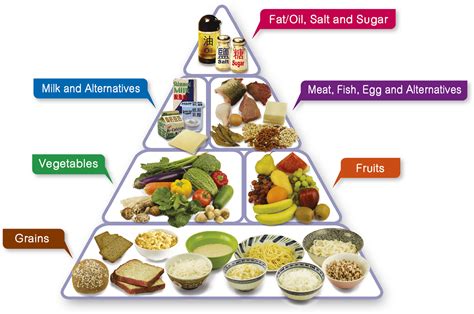
- Nutrition: A caloric surplus (for muscle gain) with adequate protein intake (1.6-2.2g/kg body weight) is essential. Don’t neglect carbohydrates for energy and fats for hormonal health.
- Sleep: Aim for 7-9 hours of quality sleep per night. This is when your body repairs and rebuilds.
- Consistency: Showing up and putting in the work week after week is more important than any single perfect workout.
- Progressive Overload: Consistently strive to lift more weight, perform more reps, or increase time under tension. Without it, your muscles have no reason to grow stronger.
Conclusion: Consistency Trumps All
While the Push/Pull/Legs (PPL) split often emerges as a top contender for advanced lifters seeking rapid strength and lean muscle gains due to its high frequency and volume potential, the “optimal” choice truly depends on your individual circumstances. For beginners and intermediates, Full Body or Upper/Lower splits offer fantastic platforms for accelerated progress.
Ultimately, the best workout split is the one you can adhere to consistently, that allows for progressive overload, and that supports adequate recovery. Combine a well-chosen split with proper nutrition, sufficient sleep, and unwavering dedication, and you’ll be on the fastest track to achieving your peak strength and lean muscle goals.