




What’s the optimal workout split for maximizing muscle gain and fat loss efficiency?

Decoding the Optimal Workout Split for Muscle and Fat Loss
Achieving the dual goals of maximizing muscle gain and optimizing fat loss is the holy grail for many fitness enthusiasts. While nutrition plays a paramount role, your workout split – how you organize your training days and muscle groups – can significantly impact your efficiency and results. There’s no one-size-fits-all answer, but understanding the science behind different splits can guide you to your most effective strategy.

The Synergy of Muscle Gain and Fat Loss
Building muscle is inherently beneficial for fat loss. More muscle mass increases your basal metabolic rate (BMR), meaning you burn more calories at rest. Simultaneously, strength training itself is a potent calorie burner and helps preserve muscle mass during a caloric deficit, which is crucial for effective fat loss without sacrificing hard-earned gains. The ‘optimal’ split, therefore, will balance sufficient frequency and volume for muscle hypertrophy with enough caloric expenditure and recovery to facilitate fat reduction.
Exploring Popular Workout Splits
Full Body Split (3 days/week)
How it works: You train all major muscle groups in each session, typically 3 times a week, with rest days in between. Example: Monday, Wednesday, Friday.
- Pros: High frequency for each muscle group (hitting muscles 3x/week is great for hypertrophy and strength), high calorie burn per session, excellent for beginners, flexible for busy schedules.
- Cons: Lower volume per muscle group per session, can be very demanding if pushed to high intensity, recovery can be challenging if not managed well.
- Efficiency for Goals: Highly efficient for both. The high frequency and significant energy expenditure per workout support fat loss, while consistent muscle stimulation promotes growth.
Upper/Lower Split (4 days/week)
How it works: You divide your body into upper and lower body workouts, often training 4 days a week. Example: Upper, Lower, Rest, Upper, Lower, Rest, Rest.
- Pros: Good frequency (each muscle group trained 2x/week), allows for more volume per muscle group per session than full body, balanced approach for strength and hypertrophy.
- Cons: Requires more gym time than 3-day full body, less recovery time for specific muscle groups compared to body part splits.
- Efficiency for Goals: Very strong contender. Offers a great balance of frequency and volume, promoting muscle growth while the consistent training helps with fat burning.
Push/Pull/Legs (PPL) Split (3 or 6 days/week)
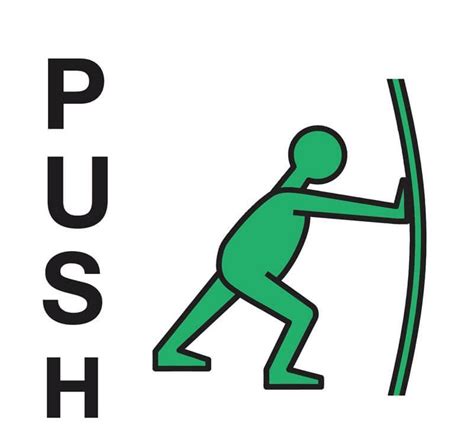
How it works: Muscles are grouped by their function: Pushing movements (chest, shoulders, triceps), Pulling movements (back, biceps), and Legs (quads, hamstrings, glutes, calves). Can be run 3 days (1 cycle/week) or 6 days (2 cycles/week, often Push, Pull, Legs, Rest, Push, Pull, Legs).
- Pros: Highly effective for hypertrophy due to organized muscle grouping and moderate frequency (2x/week in a 6-day split), allows significant volume per session for each muscle group, logical and minimizes overlapping muscle fatigue.
- Cons: The 6-day version requires significant time commitment, 3-day version offers lower frequency.
- Efficiency for Goals: The 6-day PPL is extremely popular and efficient. It maximizes muscle stimulation while providing enough training frequency to maintain a high metabolic rate, aiding fat loss.
Body Part Split (Bro Split) (4-6 days/week)
How it works: Each major muscle group (or two small ones) is trained on its own day, typically once a week. Example: Chest Day, Back Day, Leg Day, Shoulder Day, Arm Day.
- Pros: Allows for very high volume and intensity for a single muscle group per session, ideal for advanced bodybuilders focusing on specific muscle development.
- Cons: Low frequency per muscle group (only 1x/week), which can be suboptimal for muscle growth and definitely less efficient for fat loss compared to higher frequency splits. Recovery for the entire body isn’t as evenly distributed.
- Efficiency for Goals: Generally less efficient for maximizing both muscle gain and fat loss simultaneously due to the low frequency. Better suited for pure hypertrophy goals in advanced lifters or for those who prefer to annihilate one muscle group at a time.
Factors Determining Your Optimal Split
The ‘optimal’ split isn’t just about theory; it’s about what works for you. Consider these factors:
- Training Experience: Beginners often thrive on full-body routines due to faster recovery and learning fundamental movements. Experienced lifters can handle more volume and higher frequencies.
- Time Availability: How many days a week can you realistically commit to the gym? A 3-day full-body or PPL might suit a busy schedule better than a 6-day PPL.
- Recovery Capacity: Are you sleeping enough, eating adequately, and managing stress? Your body’s ability to recover dictates how much training volume and frequency you can handle.
- Personal Preference: Consistency is key. Choose a split you genuinely enjoy and can stick to long-term.
- Nutrition: Remember, no split can compensate for poor nutrition. A caloric deficit is necessary for fat loss, and sufficient protein is vital for muscle preservation and growth.
The Verdict: Finding Your Balance
For maximizing both muscle gain and fat loss efficiency, splits that allow for a moderate to high training frequency (hitting each muscle group 2-3 times per week) tend to be superior. This includes the Full Body, Upper/Lower, and 6-day Push/Pull/Legs splits.
These splits provide:
- Sufficient stimulus for muscle protein synthesis (growth).
- A higher overall weekly training volume, leading to greater caloric expenditure and metabolic boost.
- Better nutrient partitioning during a deficit, directing calories towards muscle repair rather than fat storage.
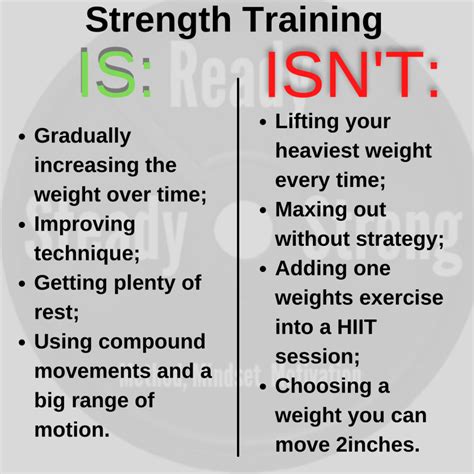
Ultimately, the best split is the one you can perform consistently, progress on, and adhere to over time. Experiment with one of these recommended splits for 8-12 weeks, focus on progressive overload (lifting more weight, reps, or sets over time), prioritize protein intake, and ensure adequate sleep. With these elements in place, you’ll be well on your way to achieving your muscle gain and fat loss goals efficiently.