




What’s the optimal strategy to eliminate razor burn for peak confidence?

Reclaim Your Smoothness: Understanding and Conquering Razor Burn
Razor burn, that unwelcome red, bumpy, and often itchy irritation, can derail even the most meticulously planned grooming routine. Beyond the physical discomfort, it can significantly impact self-confidence, making you hesitant to show off your freshly shaved skin. But what if you could achieve a consistently smooth, irritation-free shave every time? The good news is, with the right strategy, eliminating razor burn is entirely within your reach, paving the way for peak confidence.
At its core, razor burn is a form of skin irritation often accompanied by folliculitis (inflammation of hair follicles). It typically occurs when hair follicles are damaged or hair curls back into the skin after shaving, leading to ingrown hairs. Understanding its causes is the first step toward prevention.

The Root Causes of Shaving Irritation
Several factors contribute to razor burn. Often, it’s a combination of poor technique and unsuitable tools. Dull blades, for instance, drag and tug at hairs instead of cutting them cleanly, causing trauma to the skin. Shaving dry or without adequate lubrication also increases friction, leading to redness and irritation.
Another common culprit is shaving against the grain, which can pull hairs beyond the skin’s surface and encourage them to curl back, especially for those with coarse or curly hair. Excessive pressure on the razor, multiple passes over the same area, and even an overly aggressive exfoliation pre-shave can strip the skin’s natural protective barrier, leaving it vulnerable.
Pre-Shave Rituals: The Foundation for an Irritation-Free Shave
The optimal strategy begins before the blade even touches your skin. A warm shower or a hot towel applied to the area for a few minutes is crucial. This softens the hair and opens pores, making the hairs easier to cut. Gentle exfoliation can also help by removing dead skin cells that might trap hairs, but avoid harsh scrubs that could over-irritate.
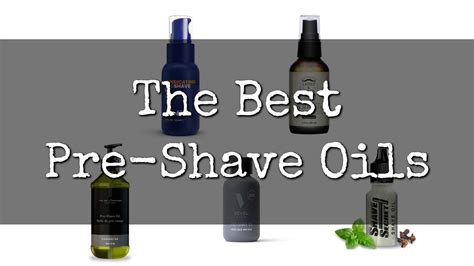
Next, apply a high-quality pre-shave oil or cream. These products create a protective barrier between your skin and the razor, providing extra lubrication and further softening the hair. Opt for ingredients like glycerin, aloe vera, or natural oils.
Mastering the Shave: Technique and Tools
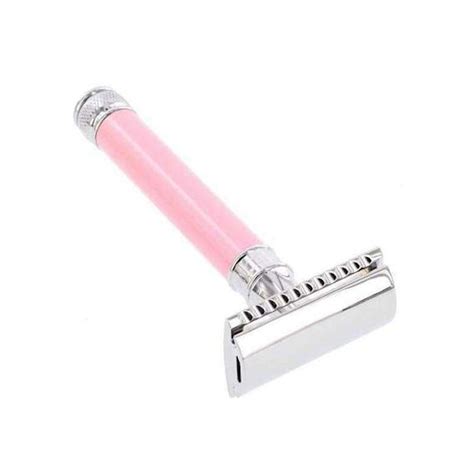
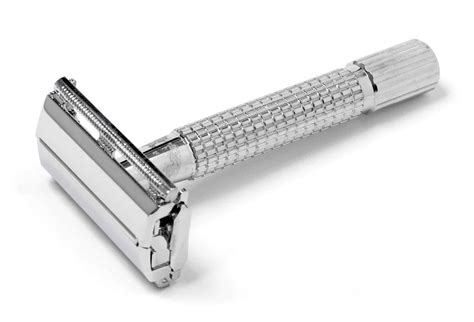
Your choice of razor and shaving technique are paramount. Always use a sharp, clean blade. For many, a single-blade safety razor or a fresh cartridge with fewer blades can significantly reduce irritation compared to multi-blade razors that pull and cut hair beneath the skin’s surface. Replace cartridges frequently – every 5-7 shaves for most.
Apply a rich shaving cream or gel, ensuring full coverage and allowing it to sit for a minute or two to further hydrate the hairs. Shave with the grain (in the direction your hair grows) using light, short strokes. Avoid applying pressure; let the razor do the work. Rinse your blade frequently to prevent clogging, which can lead to dragging. If a second pass is necessary, reapply lather and consider going across the grain, but never against it if you’re prone to razor burn.

Post-Shave Perfection: Soothe and Protect
What you do immediately after shaving is just as important as your pre-shave routine. Rinse your face with cool water to close pores and remove any residual shaving product. Gently pat your skin dry with a clean towel; do not rub.
Follow up with an alcohol-free aftershave balm or a soothing moisturizer. Look for ingredients like aloe vera, witch hazel, chamomile, or salicylic acid (in low concentrations) which can calm irritation, reduce redness, and prevent ingrown hairs. Avoid products containing harsh alcohols, which can dry out and irritate already sensitive skin. Allow the product to fully absorb before dressing or applying other products.

Long-Term Strategies and Product Recommendations
Consistency is key. Stick to your optimized routine, regularly replace your blades, and invest in high-quality shaving creams and aftershaves tailored to sensitive skin. If razor burn persists, consider alternative hair removal methods such as electric shavers (which don’t cut as close to the skin) or even temporary growth periods to allow skin to heal.
For persistent ingrown hairs, products containing salicylic or glycolic acid can help exfoliate and keep pores clear. Always introduce new products slowly to gauge your skin’s reaction. Remember, patience and consistency are your allies in achieving lasting smooth skin.
Embrace Smoothness, Boost Confidence
Eliminating razor burn isn’t just about preventing a physical discomfort; it’s about reclaiming comfort and confidence in your own skin. By implementing a thoughtful pre-shave, precise shaving technique, and nourishing post-shave care, you can transform shaving from a chore into a ritual. Enjoy the feeling of consistently smooth, irritation-free skin, and step out with the renewed confidence that comes from looking and feeling your best.