




What’s the optimal recovery strategy for men aiming for peak muscle growth & performance?

The Unsung Hero: Why Recovery Is Paramount for Men’s Fitness
For men striving for peak muscle growth and athletic performance, the focus often heavily gravitates towards intense training and progressive overload. While crucial, the true secret weapon in the arsenal of an elite physique and unparalleled strength isn’t found under a barbell, but rather in the meticulous, often overlooked, hours spent recovering. Without an optimal recovery strategy, even the most dedicated training regimen can lead to plateaus, burnout, and increased injury risk. Understanding and implementing a comprehensive recovery plan is just as vital as the workout itself.

The Non-Negotiable: Quality Sleep
Sleep is arguably the most powerful recovery tool available. During deep sleep cycles, your body releases human growth hormone (HGH) and testosterone, both critical for muscle repair, growth, and fat loss. Insufficient sleep (less than 7-9 hours) not only impairs these hormonal processes but also elevates cortisol levels, a catabolic hormone that can break down muscle tissue. Prioritizing sleep means establishing a consistent sleep schedule, creating a dark and cool sleep environment, and limiting screen time before bed.
Fueling the Machine: Strategic Nutrition
What you eat after and between workouts directly impacts your body’s ability to repair and rebuild. Protein is fundamental for muscle protein synthesis, with men aiming for 1.6-2.2 grams per kilogram of body weight daily, spread throughout the day. Complex carbohydrates replenish glycogen stores, providing energy for subsequent workouts, while healthy fats support hormone production and reduce inflammation. Don’t underestimate the importance of overall caloric intake; a slight surplus is often necessary for muscle growth, ensuring your body has the raw materials it needs.
Beyond Food: Hydration and Electrolytes
Often overlooked, proper hydration is fundamental for optimal bodily function, nutrient transport, and waste removal. Dehydration can significantly impair performance, reduce strength, and slow down recovery processes. Aim to drink plenty of water throughout the day, not just during workouts. Electrolytes (sodium, potassium, magnesium, calcium) are also critical, especially for men who sweat profusely, as they maintain fluid balance and nerve function. Coconut water or electrolyte-rich drinks can be beneficial post-workout.

Smart Movement: Active Recovery & Mobility
While rest is crucial, complete inactivity isn’t always the best approach. Active recovery, such as light cardio (walking, cycling), stretching, foam rolling, or yoga, can promote blood flow, deliver oxygen and nutrients to sore muscles, and help remove metabolic waste products. This can alleviate delayed onset muscle soreness (DOMS) and improve flexibility and range of motion, reducing the risk of injury. Integrate these activities on rest days or as part of your cool-down routine.

Mind Over Muscle: Stress Management
Chronic stress, whether from work, relationships, or even overtraining, significantly impacts physical recovery. Elevated cortisol levels due to stress can hinder muscle growth and increase fat storage. Implementing stress-reducing techniques like meditation, deep breathing exercises, spending time in nature, or engaging in hobbies can lower cortisol, allowing your body to allocate more resources to recovery and growth. Recognize when you need to deload your training or take a complete break to manage both physical and mental fatigue.
Targeted Support: Thoughtful Supplementation
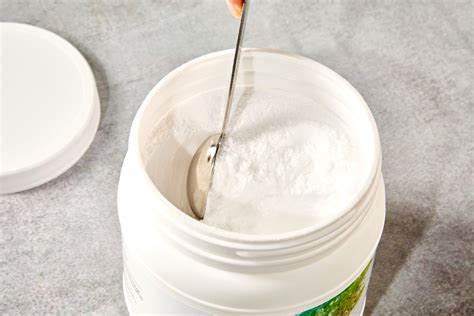
While whole foods should always be the foundation, certain supplements can strategically support recovery and performance. Creatine monohydrate is highly research-backed for strength and power gains. Whey protein provides a fast-digesting protein source for post-workout repair. Omega-3 fatty acids can reduce inflammation, while Vitamin D plays a role in testosterone production and overall health. Always consult with a healthcare professional before adding new supplements to your regimen.
Integrating Your Optimal Strategy for Sustained Gains
The optimal recovery strategy isn’t a one-size-fits-all solution but a holistic approach tailored to individual needs, training intensity, and lifestyle. It’s about consistency across all pillars: getting enough quality sleep, fueling your body with nutrient-dense foods, staying hydrated, incorporating active recovery, and effectively managing stress. Listen to your body, track your progress and recovery markers, and don’t be afraid to adjust your approach. Remember, muscle growth happens outside the gym, and peak performance is a direct reflection of how well you recover from the demands you place on your body.

By prioritizing and optimizing your recovery strategy, you’re not just resting; you’re actively building a stronger, more resilient, and higher-performing physique, ensuring sustained progress towards your ultimate fitness goals.