




What’s the optimal protein intake for muscle gain & recovery in active men?

The Protein Imperative for Active Men
For active men, protein isn’t just another macronutrient; it’s the foundational building block for muscular development and crucial for the repair processes that follow strenuous exercise. Whether you’re lifting weights, engaging in endurance sports, or involved in physically demanding work, your body’s demand for protein significantly increases compared to a sedentary individual. This heightened need stems from the constant cycle of muscle protein breakdown and synthesis, where protein intake directly influences your ability to build and maintain muscle mass, as well as effectively recover from training.
Protein provides the amino acids necessary to repair micro-tears in muscle fibers that occur during exercise. Without adequate protein, recovery is hindered, performance plateaus, and the risk of overtraining or injury may increase. Therefore, understanding and consistently meeting your protein requirements is paramount for achieving your fitness goals and sustaining a high level of physical activity.
Quantifying Your Protein Needs: The Science-Backed Range
While general dietary guidelines suggest a certain protein intake for the average adult, active men require considerably more. Research consistently points towards a range that supports muscle hypertrophy (growth) and optimal recovery. The general consensus for active individuals, especially those engaged in resistance training, falls between 1.6 to 2.2 grams of protein per kilogram of body weight (g/kg BW) per day. For context, this translates to roughly 0.7 to 1.0 grams per pound of body weight.
- Resistance Training Focus: Men primarily focused on muscle gain and strength might aim for the higher end of this range (e.g., 2.0-2.2 g/kg BW).
- Endurance Athletes: While often associated with carbs, endurance athletes also have elevated protein needs for repair and to prevent muscle breakdown, typically falling within 1.4-1.8 g/kg BW.
- Caloric Deficit: During periods of caloric restriction (e.g., cutting phase), protein intake might need to be even higher (2.3-3.1 g/kg of lean body mass) to preserve muscle mass while losing fat.
Factors like age, training intensity, and overall dietary composition can slightly influence these recommendations. Older active men, for example, may benefit from slightly higher protein intakes to counteract age-related muscle loss (sarcopenia).

Types of Protein: Beyond the Basics
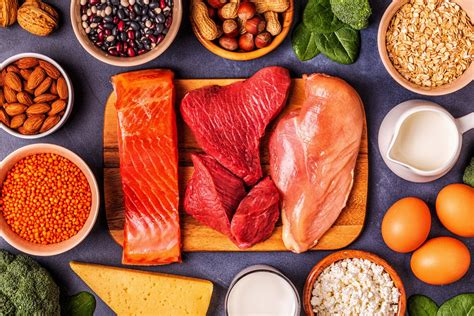
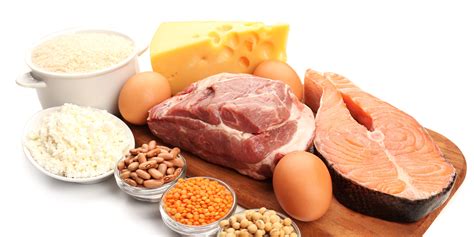
Not all protein sources are created equal in terms of their amino acid profile and bioavailability. High-quality protein sources contain all nine essential amino acids (EAAs) that the body cannot produce on its own. These are often referred to as ‘complete proteins’.
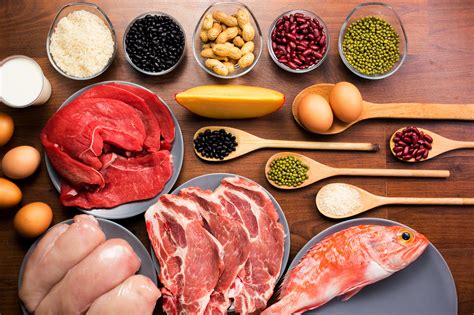
- Animal Proteins: Whey, casein, eggs, chicken, beef, fish, and dairy are excellent sources of complete proteins, rich in branched-chain amino acids (BCAAs), particularly leucine, which is crucial for initiating muscle protein synthesis.
- Plant-Based Proteins: While many plant proteins are incomplete on their own (e.g., rice, beans), combining various plant sources throughout the day (e.g., rice and beans, lentils and nuts) can provide a complete amino acid profile. Soy, pea, and hemp protein powders are also good plant-based complete protein options.
Incorporating a variety of both whole food protein sources and, if necessary, high-quality supplements can help ensure you meet your daily needs and provide your body with a diverse range of nutrients.
Timing and Distribution: Maximizing Anabolic Response
While total daily protein intake is the most critical factor, how you distribute that protein throughout the day can further optimize muscle gain and recovery. The concept of an ‘anabolic window’ immediately post-workout has been debated, but current research suggests that consuming protein relatively soon after training is beneficial, though the window is likely much broader than previously thought (several hours).
A more effective strategy is to aim for an even distribution of protein across your meals. Consuming 20-40 grams of high-quality protein every 3-4 hours helps to maximize muscle protein synthesis throughout the day. This approach ensures a consistent supply of amino acids to fuel muscle repair and growth. Consider:
- Breakfast: Start your day with a substantial protein source (e.g., eggs, Greek yogurt).
- Lunch & Dinner: Include a lean protein source with each main meal (e.g., chicken breast, fish, tofu).
- Pre/Post-Workout: A protein shake or meal within a few hours before and after training can be beneficial.
- Before Bed: A slow-digesting protein like casein (found in cottage cheese or a casein shake) can provide a sustained release of amino acids overnight, aiding recovery while you sleep.
Practical Strategies for Optimal Intake
Consistently hitting your protein targets can seem daunting, but with a few practical strategies, it becomes much more manageable:
- Meal Planning: Plan your meals in advance, ensuring each one includes a significant protein component.
- Lean Protein Choices: Prioritize lean meats, poultry, fish, eggs, dairy, and legumes.
- Snack Smart: Opt for protein-rich snacks like nuts, seeds, Greek yogurt, or protein bars.
- Protein Supplements: While whole foods should be the priority, protein powders (whey, casein, plant-based) are convenient and effective for topping up your intake, especially post-workout or when time is short.
- Hydration: Don’t forget water! Adequate hydration is crucial for all metabolic processes, including protein synthesis and nutrient transport.
By making conscious choices and incorporating these strategies, active men can reliably meet their elevated protein requirements, supporting their journey towards enhanced muscle gain, faster recovery, and peak physical performance.