





What’s the optimal 3-day full-body split to maximize strength & performance?

Unlocking Your Potential: The 3-Day Full-Body Strength Split
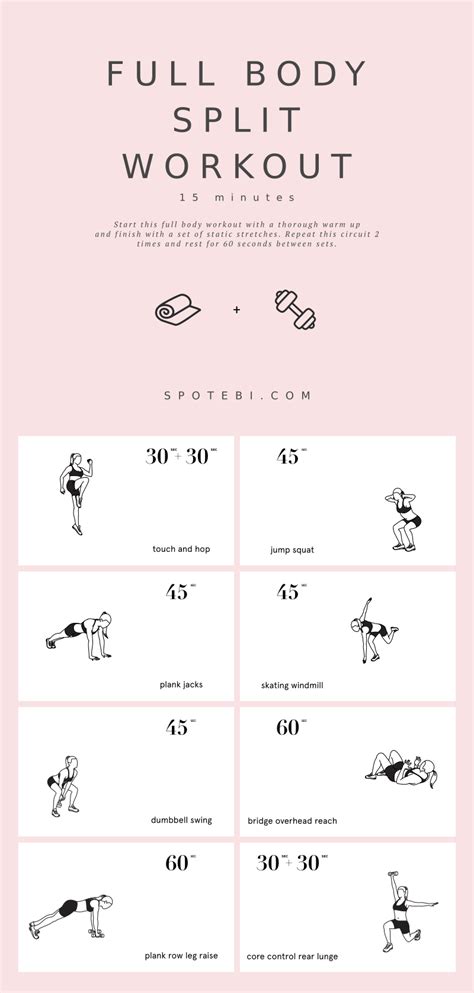
In the quest for peak physical strength and athletic performance, many lifters gravitate towards complex, multi-day bodybuilding splits. However, for sheer efficacy in building strength and optimizing overall performance, a well-structured 3-day full-body split stands out as a highly potent approach. This method allows for high-frequency training of all major muscle groups, promoting faster adaptation and superior strength gains while providing adequate recovery time.
Why a 3-Day Full-Body Split Excels for Strength
The core advantage of a 3-day full-body routine lies in its frequency. Instead of hitting a muscle group once a week, you’re stimulating it three times. This higher frequency leads to more opportunities for motor unit recruitment, improved neural drive, and enhanced protein synthesis over the week, all crucial factors for strength development. Furthermore, it’s time-efficient, allowing you to get a comprehensive workout in just three sessions, leaving ample time for recovery or other activities.
Key Principles for Maximizing Performance
To truly optimize a 3-day full-body split for strength and performance, several principles must be strictly adhered to:
- Compound Movements: The cornerstone of strength training. Focus on exercises that work multiple muscle groups simultaneously, like squats, deadlifts, presses, and rows.
- Progressive Overload: The most critical principle. To get stronger, you must continually challenge your muscles by increasing weight, reps, sets, or decreasing rest times over time.
- Proper Form: Always prioritize perfect technique over heavy weight to prevent injury and ensure target muscles are effectively engaged.
- Adequate Recovery: Strength isn’t built in the gym, but during recovery. Prioritize sleep (7-9 hours), nutrition, and active rest days.
A Sample Optimal 3-Day Full-Body Split
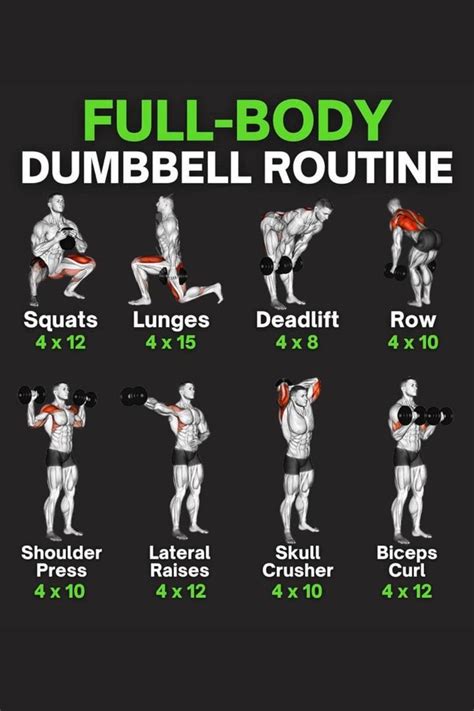
This sample routine emphasizes compound movements and allows for progressive overload. Remember to warm up thoroughly before each session and cool down afterward.
Workout A (e.g., Monday)
- Barbell Back Squats: 3-4 sets of 5-8 reps
- Barbell Bench Press: 3-4 sets of 5-8 reps
- Barbell Rows: 3-4 sets of 6-10 reps
- Overhead Press: 3 sets of 6-10 reps
- Plank: 3 sets to failure
Workout B (e.g., Wednesday)
- Deadlifts (Conventional or Sumo): 1-3 sets of 3-5 reps (start light and focus on form)
- Incline Dumbbell Press: 3-4 sets of 8-12 reps
- Pull-ups/Lat Pulldowns: 3-4 sets of 6-12 reps
- Leg Press or Lunges: 3 sets of 8-12 reps per leg
- Face Pulls: 3 sets of 10-15 reps
Workout C (e.g., Friday)
- Front Squats or Hack Squats: 3-4 sets of 6-10 reps
- Dumbbell Shoulder Press: 3-4 sets of 8-12 reps
- Weighted Dips or Close-Grip Bench Press: 3 sets of 8-12 reps
- Romanian Deadlifts or Glute-Ham Raises: 3 sets of 8-12 reps
- Cable Rows or T-Bar Rows: 3 sets of 8-12 reps
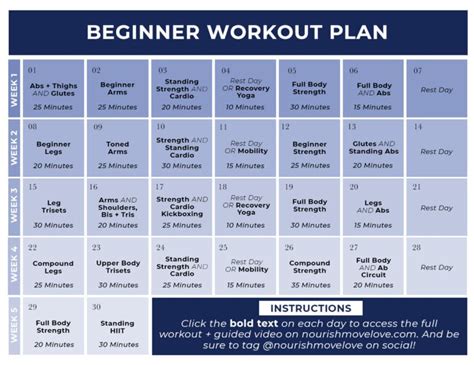
Allow at least one rest day between workouts (e.g., M/W/F split) and two days off before the next week begins.
Implementing Progressive Overload
To ensure continuous strength and performance gains, you must consistently apply progressive overload. This means:
- Increase Weight: Once you can hit the top end of your rep range for all sets with good form, increase the weight slightly (e.g., 2.5-5 lbs).
- Increase Reps: If you’re stuck on a weight, aim for one more rep per set than last time.
- Increase Sets: Occasionally, add an extra set to a key compound movement.
- Decrease Rest Times: For certain phases, shortening rest intervals can increase intensity.
- Improve Form: Sometimes, simply executing a lift with better mechanics will allow you to lift more or move faster.
The Undeniable Role of Nutrition and Recovery
Your training is only as good as your recovery. To maximize strength and performance, pay meticulous attention to:
- Protein Intake: Consume 1.6-2.2 grams of protein per kilogram of body weight to support muscle repair and growth.
- Carbohydrates: Fuel your workouts and replenish glycogen stores with adequate complex carbohydrates.
- Healthy Fats: Essential for hormone production and overall health.
- Hydration: Drink plenty of water throughout the day.
- Sleep: Aim for 7-9 hours of quality sleep nightly, as this is when most muscle repair and hormonal regulation occurs.
- Stress Management: Chronic stress can impair recovery and performance.
Conclusion: Consistency is Key
The 3-day full-body split is a highly effective, efficient, and scientifically sound method for maximizing strength and performance. By focusing on compound movements, consistently applying progressive overload, and prioritizing recovery through nutrition and sleep, you can achieve remarkable results. Stick with the program, be consistent, and listen to your body – the optimal path to a stronger, more capable you.