





What’s the most effective compound lift routine for peak strength gains?

When it comes to building serious strength, compound lifts are king. These multi-joint movements engage several muscle groups simultaneously, allowing you to lift heavier weights and stimulate greater muscle growth and neurological adaptations compared to isolation exercises. But simply performing compound lifts isn’t enough; the key lies in structuring an effective routine that consistently challenges your body and facilitates progressive overload. This article will break down the components of an optimal compound lift routine for achieving peak strength gains.
The Unrivaled Power of Compound Lifts
Compound exercises like squats, deadlifts, bench presses, and overhead presses form the bedrock of any serious strength program. They mimic natural human movement patterns, build foundational strength, improve coordination, and elicit a potent hormonal response conducive to muscle and strength development. Unlike isolation exercises, which target a single muscle, compound movements recruit a vast network of muscles, making them incredibly efficient for overall strength and power development.

Core Principles for Maximizing Strength Gains
An effective compound lift routine isn’t just a list of exercises; it’s a systematic approach built on several critical principles:
1. Progressive Overload
This is arguably the most important principle for strength gains. To get stronger, you must continually challenge your muscles beyond their current capacity. This can be achieved by increasing the weight, performing more repetitions or sets, reducing rest times, improving technique, or increasing training frequency. Without progressive overload, your body has no reason to adapt and grow stronger.
2. Consistency and Adherence
No program, however perfectly designed, will work if you don’t stick to it. Consistency in your training schedule, sleep, and nutrition is paramount. Find a routine you can realistically adhere to for weeks and months, making small, consistent progress over time.
3. Proper Form and Technique
Lifting heavy with poor form is a recipe for injury and limits true strength development. Master the technique for each lift before attempting maximal weights. This ensures you’re effectively targeting the desired muscles and building strength on a stable, safe foundation.

Crafting Your Optimal Routine
While specific programs vary, an effective compound lift routine for peak strength typically incorporates these elements:
Main Lifts and Frequency
Focus on 3-4 key compound lifts performed 2-3 times per week. A common and highly effective approach is to prioritize the ‘Big 3’ (Squat, Bench Press, Deadlift) along with an Overhead Press. Rotating these lifts or performing variations can help manage fatigue and target different strength aspects.
- Squat (or variation): Builds lower body and core strength.
- Bench Press (or variation): Develops upper body pushing strength.
- Deadlift (or variation): Unparalleled for full-body strength and posterior chain development.
- Overhead Press (or variation): Essential for shoulder and upper body pushing strength.
Rep Ranges and Intensity
For peak strength, the majority of your work should be in lower rep ranges (1-6 reps) with higher intensity (75-95% of your 1-rep max). However, including some moderate rep work (8-12 reps) can aid hypertrophy and work capacity, which supports long-term strength gains.
Volume and Deloads
The total number of sets and reps (volume) needs to be sufficient to stimulate adaptation without causing overtraining. For strength, 10-20 working sets per muscle group per week is a common guideline, spread across multiple sessions. Incorporate regular deload weeks (reducing volume/intensity) to allow for recovery and prevent burnout.
Accessory Work
While compound lifts are the priority, accessory exercises can address weaknesses, prevent imbalances, and support the main lifts. Examples include pull-ups, rows, lunges, core work, and triceps/biceps exercises. These are typically performed after your main compound lifts with higher rep ranges.

Sample Routine Structure (Principle-Based)
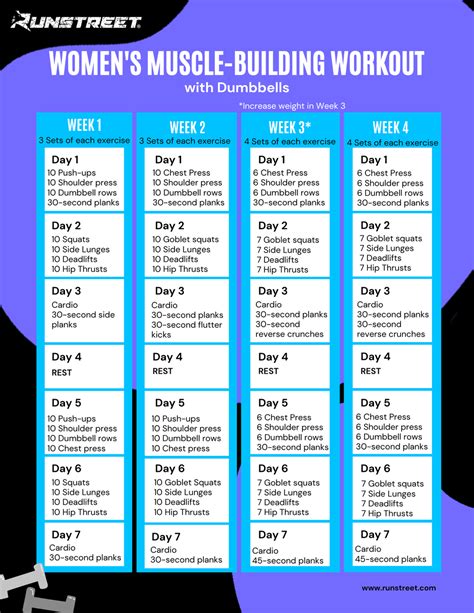
Here’s a conceptual framework for a 3-4 day per week strength-focused routine, emphasizing consistency and progressive overload:
Day 1: Heavy Lower Body / Squat Focus
- Main Lift: Back Squats (e.g., 3-5 sets of 3-5 reps)
- Assistance: Romanian Deadlifts, Leg Press, Lunges
- Accessory: Calf Raises, Abdominal work
Day 2: Heavy Upper Body / Bench Focus
- Main Lift: Bench Press (e.g., 3-5 sets of 3-5 reps)
- Assistance: Dumbbell Rows, Incline Press, Dips
- Accessory: Bicep Curls, Triceps Extensions
Day 3: Rest or Active Recovery
Day 4: Heavy Full Body / Deadlift Focus
- Main Lift: Deadlifts (e.g., 1-3 sets of 1-5 reps)
- Assistance: Overhead Press, Pull-ups/Lat Pulldowns
- Accessory: Face Pulls, Rear Delt Flyes
This structure allows for adequate recovery between demanding sessions targeting similar muscle groups. Periodically rotate main lift variations (e.g., front squats instead of back squats, close-grip bench press) or adjust rep schemes to continue challenging your body.
Beyond the Lifts: Nutrition and Recovery
Your work doesn’t end when you leave the gym. Optimal strength gains are heavily reliant on what happens outside of training:
- Nutrition: A caloric surplus (eating more calories than you burn) with adequate protein intake (1.6-2.2g per kg body weight) is crucial for muscle repair and growth. Focus on whole, unprocessed foods.
- Hydration: Stay well-hydrated throughout the day to support performance and recovery.
- Sleep: Aim for 7-9 hours of quality sleep per night. This is when your body repairs and adapts to the stress of training.
- Stress Management: Chronic stress can negatively impact recovery and hormonal balance, hindering strength gains.

Conclusion
The most effective compound lift routine for peak strength gains is not a secret formula, but rather a consistent application of fundamental principles. It prioritizes heavy compound movements, relentlessly pursues progressive overload, emphasizes proper form, and integrates sufficient recovery and nutrition. By dedicating yourself to these tenets, you’ll build not only incredible strength but also a resilient, powerful physique that stands the test of time.