




What’s the best post-workout nutrition for rapid recovery & strength?

After an intense workout, your body enters a critical phase where it’s primed for repair and growth. What you consume during this period can significantly impact your recovery speed, muscle soreness, and ultimately, your strength gains. Fueling your body correctly post-exercise isn’t just about feeling better; it’s about optimizing your physiological response to training.
Understanding the “Why”: The Science of Post-Workout Recovery
During physical exertion, your muscles undergo microscopic tears, and your body depletes its stored energy (glycogen). To repair these tears and replenish energy reserves, your body requires specific nutrients. Ignoring this demand can lead to prolonged soreness, reduced performance in subsequent workouts, and stunted progress. The goal of post-workout nutrition is to kickstart protein synthesis (muscle repair), refill glycogen stores, and reduce inflammation.

The Essential Building Blocks: Protein Power
Protein is paramount for muscle repair and growth. When you consume protein, it’s broken down into amino acids, which are then used to rebuild and strengthen muscle fibers. Aim for a high-quality protein source that contains a complete amino acid profile, especially leucine, which is a key activator of muscle protein synthesis.
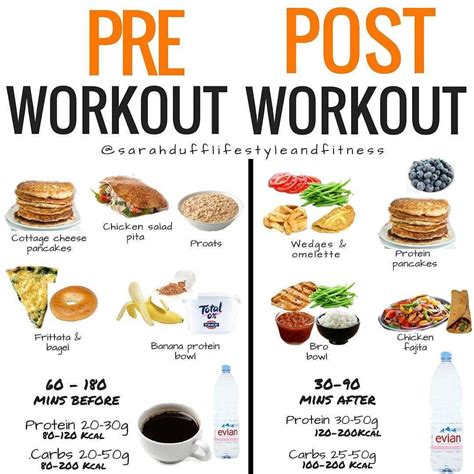
General recommendations suggest consuming 20-40 grams of protein within a few hours post-workout. Excellent sources include lean meats, poultry, fish, eggs, dairy (yogurt, cottage cheese), and plant-based options like tofu, tempeh, and legumes.
Recharge Your Energy: The Importance of Carbohydrates
Carbohydrates are your body’s primary fuel source. After a workout, your muscle glycogen stores are depleted, especially after endurance or high-volume resistance training. Replenishing these stores is crucial for energy levels, preventing fatigue, and preparing for your next session. Fast-digesting carbohydrates are often preferred immediately post-workout as they quickly deliver glucose to your muscles.
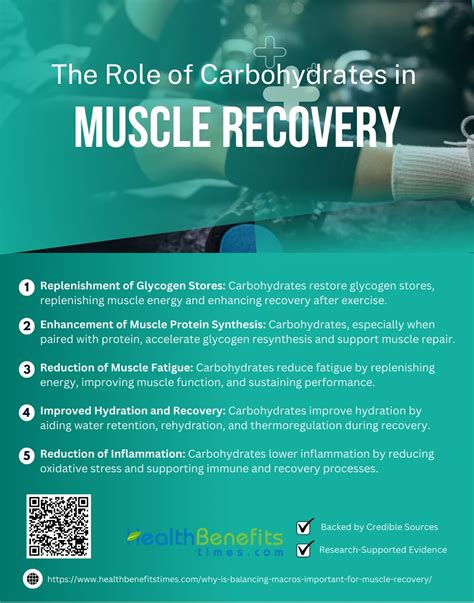
Combine protein with carbohydrates in a ratio of approximately 1:2 or 1:3 (protein to carbs). Good carbohydrate sources include fruits (bananas, berries), white rice, potatoes, sweet potatoes, oats, and whole-grain bread. The exact amount will depend on your activity level and body size, but generally aim for 0.5-1.0 grams of carbs per pound of body weight within 4-6 hours post-exercise.
Don’t Forget Fats and Hydration
While fats are essential for overall health, they can slow down the absorption of other nutrients. Therefore, it’s generally advised to keep fat intake relatively low in your immediate post-workout meal. Focus on healthy unsaturated fats at other times of the day.
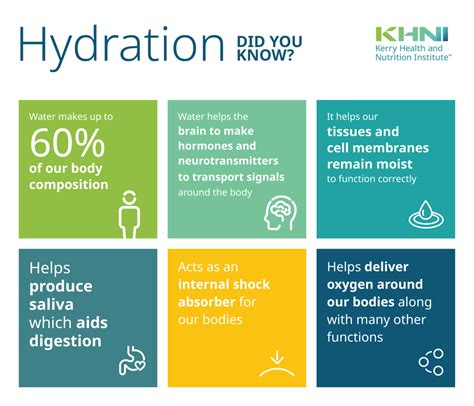
Hydration is often overlooked but critical. You lose fluids and electrolytes through sweat during exercise. Rehydrating adequately by drinking water and electrolyte-rich beverages (if your workout was particularly intense or long) is fundamental for every bodily function, including nutrient transport and muscle contractions.
Optimal Timing: The Anabolic Window Reconsidered
For years, the concept of a rigid “anabolic window” — a narrow 30-60 minute period immediately after a workout when nutrient timing was critical — dominated fitness advice. While getting nutrients in relatively soon is beneficial, modern research suggests this window is broader, extending for several hours post-exercise, especially if you had a pre-workout meal. The most important thing is overall daily nutrient intake and consuming a balanced meal within a few hours after training.
Putting It Into Practice: Meal Ideas and Examples
To ensure you’re getting the right balance, here are some effective post-workout meal ideas:
- Whey Protein Shake with Banana & Oats: Quick, easily digestible protein and fast/slow carbs.
- Chicken Breast with Sweet Potato & Steamed Vegetables: Lean protein, complex carbs, and micronutrients.
- Greek Yogurt with Berries & Granola: Casein (slow-digesting) and whey protein, natural sugars, and fiber.
- Tuna Salad (on whole-grain bread) with Apple Slices: Lean protein, complex carbs, and simple sugars.

When to Consider Supplements
While whole foods should be the foundation of your diet, certain supplements can complement your post-workout strategy:
- Whey Protein Powder: Convenient, fast-digesting source of protein.
- Creatine Monohydrate: Supports strength and power output, often taken daily regardless of timing.
- Branched-Chain Amino Acids (BCAAs): Can help with muscle protein synthesis, though less critical if adequate protein is consumed.
Conclusion: Fueling Your Progress
The best post-workout nutrition for rapid recovery and strength involves a strategic combination of high-quality protein, adequate carbohydrates, and proper hydration. While the exact timing might be more flexible than once thought, consistency in fueling your body with the right nutrients after training is key to maximizing muscle repair, replenishing energy stores, and driving continuous strength gains. Listen to your body, experiment with different food combinations, and prioritize nutrient-dense options to fuel your fitness journey effectively.