




What’s the best diet strategy to naturally elevate testosterone & energy levels?

Understanding the Link: Diet, Testosterone & Energy
Many factors influence testosterone and energy levels, but diet stands out as a foundational pillar. What you eat directly impacts your hormonal balance, cellular energy production, and overall vitality. While supplements often promise quick fixes, a strategic and balanced dietary approach offers a sustainable and natural path to optimizing these crucial aspects of your health.
This article will delve into the specific dietary components – from macronutrients to micronutrients and targeted food choices – that play a pivotal role in boosting your natural testosterone production and sustaining robust energy throughout the day. Embracing these dietary changes can lead to noticeable improvements in mood, physical performance, and general well-being.

The Power of Macronutrients
Healthy Fats: The Hormonal Foundation
Contrary to outdated advice, healthy fats are essential for hormone production, including testosterone. Cholesterol, derived from dietary fats, is a precursor to steroid hormones. Skimping on healthy fats can negatively impact your body’s ability to synthesize testosterone. Focus on monounsaturated and polyunsaturated fats.
- Sources: Avocados, olive oil, nuts (almonds, walnuts), seeds (chia, flax, pumpkin), fatty fish (salmon, mackerel).
Quality Protein: Building Blocks & Sustained Energy
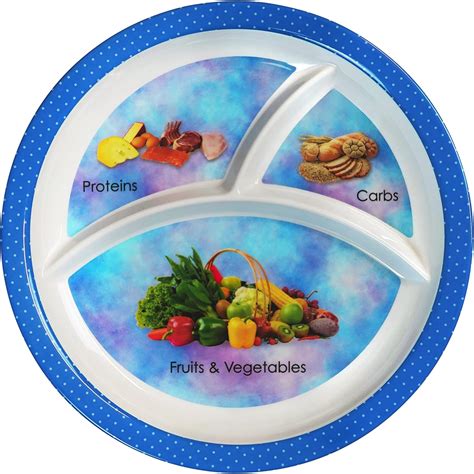
Adequate protein intake is crucial for muscle repair, growth, and the production of enzymes and hormones. It also helps stabilize blood sugar, preventing energy crashes. Aim for a variety of high-quality protein sources throughout the day.
- Sources: Lean meats (beef, chicken, turkey), eggs, dairy (Greek yogurt, cottage cheese), legumes (lentils, beans), whey protein.
Complex Carbohydrates: Fueling Your Day
While often demonized, complex carbohydrates are vital for energy, especially if you’re physically active. They provide sustained energy, prevent fatigue, and help regulate cortisol levels, which can indirectly support testosterone production. Avoid refined sugars and processed carbs.
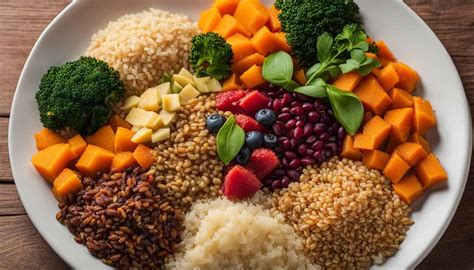
- Sources: Whole grains (oats, brown rice, quinoa), root vegetables (sweet potatoes, yams), fruits, vegetables.
Essential Micronutrients for Peak Performance
Zinc: A Testosterone Powerhouse
Zinc is a critical mineral for testosterone production and immune function. Deficiency can lead to lower T-levels and reduced energy. Your body doesn’t store zinc, so regular intake is necessary.
- Sources: Oysters (exceptionally high), red meat, poultry, beans, nuts, seeds (pumpkin seeds are excellent).
Vitamin D: The Sunshine Vitamin for Hormones
Often referred to as a pro-hormone, Vitamin D plays a significant role in testosterone synthesis. Many people are deficient, especially in regions with less sunlight. Dietary sources can complement sun exposure.
- Sources: Fatty fish (salmon, tuna, mackerel), fortified milk and cereals, egg yolks.
Magnesium: Energy, Sleep & Hormone Balance
Magnesium is involved in over 300 biochemical reactions in the body, including energy production and muscle function. It also helps improve sleep quality, which is vital for testosterone release.
- Sources: Leafy green vegetables (spinach, kale), nuts (almonds, cashews), seeds, legumes, whole grains, dark chocolate.
B Vitamins & Antioxidants: Energy Metabolism & Cell Protection
B vitamins (B6, B12, folate) are crucial for converting food into energy, supporting nerve function, and red blood cell formation. Antioxidants found in fruits and vegetables protect cells from damage, promoting overall health and energy.
- Sources: B vitamins: Whole grains, lean meats, eggs, leafy greens. Antioxidants: Berries, colorful vegetables, green tea.
Foods to Embrace & Foods to Limit
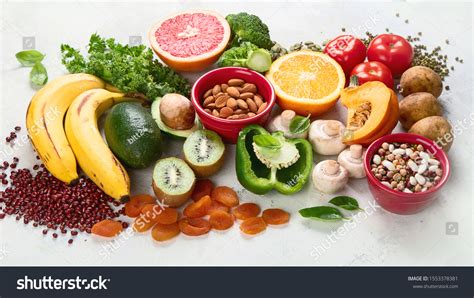
Top Foods for Testosterone & Energy
Incorporating these foods regularly can significantly contribute to your goals:
- Fatty Fish: Salmon, tuna, mackerel for Omega-3s and Vitamin D.
- Leafy Green Vegetables: Spinach, kale, collard greens for magnesium and other vitamins.
- Eggs: Whole eggs are a complete protein source, rich in Vitamin D and healthy fats.
- Oysters: An unparalleled source of zinc.
- Red Meat: Lean cuts provide zinc, iron, and protein.
- Nuts and Seeds: Almonds, walnuts, pumpkin seeds, flaxseeds for healthy fats, magnesium, and zinc.
- Berries: Blueberries, raspberries for antioxidants and stable energy.
- Avocados: Monounsaturated fats and essential nutrients.
Foods to Minimize or Avoid
To optimize testosterone and energy, it’s equally important to limit or avoid:
- Processed Foods: Often high in unhealthy fats, sugar, and sodium, contributing to inflammation and energy crashes.
- Excessive Sugar: Leads to blood sugar spikes and crashes, potentially lowering testosterone.
- Trans Fats: Found in many fried and processed foods, detrimental to heart health and hormone balance.
- Excessive Alcohol: Can impair liver function and directly reduce testosterone levels.

Beyond Food Choices: Hydration & Meal Timing
Hydration is often overlooked but critical for energy. Dehydration can lead to fatigue, reduced cognitive function, and impaired physical performance. Aim for at least 8 glasses of water daily, more if you’re active.
Eating regular, balanced meals helps maintain stable blood sugar levels, preventing energy dips and ensuring a steady supply of nutrients for hormone production. Avoid long periods of fasting without proper nutritional support, especially if you’re new to it, as this can sometimes stress the body.
Conclusion: A Sustainable Path to Vitality
Elevating testosterone and energy levels naturally is an achievable goal through a well-planned dietary strategy. By prioritizing healthy fats, quality proteins, complex carbohydrates, and essential micronutrients like zinc, Vitamin D, and magnesium, you provide your body with the fundamental building blocks for optimal hormonal health and sustained energy. Couple these food choices with adequate hydration and consistent meal timing, and you’ll be well on your way to experiencing enhanced vitality, improved mood, and greater overall well-being. Remember, consistency is key, and individual results may vary, so listen to your body and adjust as needed.
![[1100+] Man Pictures | Wallpapers.com](/images/aHR0cHM6Ly90czMubW0uYmluZy5uZXQvdGg/aWQ9T0lQLkJtbTlTTU1xWVp3RS0tRk53NDM4TmdIYUU4JnBpZD0xNS4x.webp)