




What smart wearable truly optimizes workout recovery data for peak performance?
The Critical Role of Recovery in Athletic Prowess
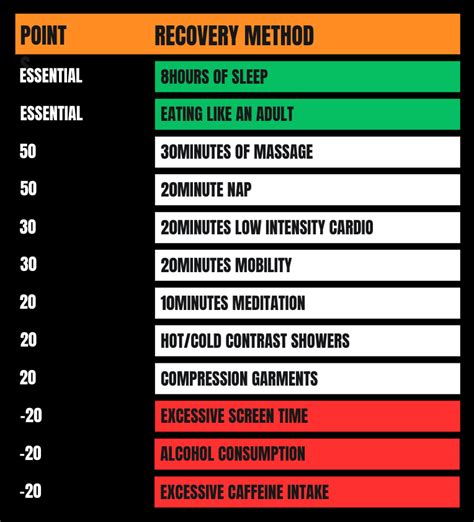
In the relentless pursuit of peak athletic performance, the spotlight often falls on intense training regimens, innovative techniques, and disciplined nutrition. Yet, an equally, if not more, critical component frequently remains undervalued: recovery. It’s during the recovery phase that the body repairs, adapts, and grows stronger, making subsequent training sessions more effective and reducing the risk of injury. In today’s data-driven world, smart wearables have emerged as powerful allies, promising to demystify recovery and provide actionable insights. But which devices truly deliver on this promise, offering sophisticated data analysis that translates into optimized performance?

Understanding Key Recovery Metrics
To effectively optimize recovery, a wearable must track more than just steps or calories burned. The most insightful devices delve into a suite of physiological metrics that collectively paint a comprehensive picture of your body’s recovery state:
- Heart Rate Variability (HRV): A crucial indicator of autonomic nervous system balance, reflecting stress levels and readiness to train. Higher, more consistent HRV generally indicates better recovery.
- Resting Heart Rate (RHR): A consistently elevated RHR can signal fatigue, overtraining, or illness.
- Sleep Quality and Stages: Deep and REM sleep are vital for physical repair and cognitive restoration. Wearables measure duration, efficiency, and time spent in different sleep stages.
- Skin Temperature: Changes can indicate illness, menstrual cycle phases, or increased metabolic load.
- Activity Balance: Tracking daily movement helps understand the cumulative load outside of structured workouts.
Raw data, however, is only half the battle. The true value lies in the algorithms and interpretations that transform these numbers into personalized, actionable advice.
Leading Wearables in Recovery Optimization
Several key players have distinguished themselves in the realm of advanced recovery tracking:
Whoop: The Recovery-First Approach
Whoop is perhaps the most recovery-centric wearable on the market. It focuses heavily on HRV, RHR, and sleep, presenting users with a daily “Recovery Score.” This score dictates the optimal strain (activity level) for the day, guiding users to push harder when recovered or rest when needed. Its journaling feature also helps identify behavioral impacts on recovery.
Oura Ring: Sleep and Body Temperature Insights
The Oura Ring, worn on the finger, excels in sleep tracking, measuring sleep stages with impressive accuracy, alongside RHR and body temperature. Its “Readiness Score” considers these factors to advise on daily energy levels. The device’s ability to detect subtle body temperature shifts can be particularly useful for early illness detection or tracking menstrual cycles, impacting training adjustments.
Garmin: Integrated Training Status and Body Battery
Garmin devices, especially higher-end models, integrate recovery metrics into a broader “Training Status” and “Body Battery” ecosystem. Body Battery estimates your energy reserves based on HRV, stress, and activity. Training Status uses RHR, HRV status, and recent training load to advise on whether you are productive, overreaching, or detraining. While not solely recovery-focused, their comprehensive approach provides valuable context for athletes.
Apple Watch: Foundational Metrics with Expanding Potential
The Apple Watch tracks essential metrics like RHR, HRV, and sleep. While it provides these raw data points, its native recovery interpretation is less prescriptive than dedicated recovery devices. However, its robust third-party app ecosystem allows users to integrate with advanced recovery platforms that can leverage the Watch’s data for deeper analysis.
From Data to Actionable Insights for Peak Performance
What truly sets apart the best recovery wearables isn’t just the accuracy of their sensors, but their ability to translate complex physiological data into clear, actionable recommendations. Instead of just showing you an HRV number, they’ll tell you what that number means for your training today. This might involve:
- Personalized Training Recommendations: Adjusting intensity or duration based on your current recovery state.
- Identifying Overtraining Signals: Warning you before you hit burnout.
- Optimizing Sleep Habits: Providing insights into how lifestyle choices impact sleep quality.
- Monitoring Long-Term Trends: Helping you understand how your body adapts to different training blocks or life stressors.
The goal is to move beyond simply tracking activity to prescribing recovery, ensuring that every training session is productive and contributes to long-term performance gains.
Choosing Your Recovery Partner
Selecting the ideal smart wearable for recovery optimization depends on individual needs and priorities. For those prioritizing a recovery-first approach with minimal distraction, Whoop and Oura Ring stand out. Athletes seeking a comprehensive training and recovery ecosystem might lean towards Garmin. While the Apple Watch offers robust foundational data, users might need to pair it with third-party apps for advanced recovery coaching.
Ultimately, the most effective wearable is one you wear consistently and whose insights you trust and act upon. It’s about empowering athletes to listen to their bodies with greater precision, preventing burnout, and continuously striving for their best.
Conclusion
The landscape of smart wearables for recovery is continually evolving, pushing the boundaries of what’s possible in personal performance optimization. While many devices track activity, only a select few truly excel at decoding the intricate language of your body’s recovery signals and transforming it into a roadmap for peak performance. By focusing on metrics like HRV, sleep quality, and RHR, and delivering actionable, personalized insights, these advanced wearables are indispensable tools for any athlete serious about maximizing their potential and achieving sustainable success.