


What smart wearable maximizes recovery and training insights for peak performance?
Unlocking Peak Performance with Smart Wearables
In the relentless pursuit of peak performance, athletes and fitness enthusiasts are constantly seeking an edge. Smart wearables have emerged as powerful allies, moving beyond simple step counting to offer sophisticated insights into recovery, training load, and overall physiological readiness. But with a saturated market, identifying the device that truly maximizes these critical insights can be challenging. This article delves into the top contenders and key features to help you make an informed decision.
The Core Metrics for Optimal Performance
To achieve peak performance, understanding the body’s response to stress is paramount. The most effective wearables excel at tracking and interpreting a range of metrics:
- Heart Rate Variability (HRV): A key indicator of autonomic nervous system balance, reflecting stress and recovery. A higher, more stable HRV often correlates with better readiness.
- Sleep Quality and Stages: Deep and REM sleep are crucial for physical and mental recovery. Devices that accurately track these stages provide invaluable insights.
- Training Load & Strain: Quantifying the physiological stress of workouts helps prevent overtraining and guides optimal progression.
- Body Temperature: Fluctuations can indicate illness, training adaptation, or hormonal changes, offering subtle recovery cues.
- Readiness Scores: Algorithms that synthesize various metrics into an easy-to-understand daily score, guiding whether to push hard or prioritize recovery.
Leading Wearables for Recovery and Training Insights
1. Smart Rings: Focus on Foundational Recovery
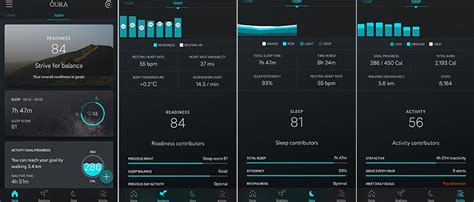
Devices like the Oura Ring lead the charge in sleep and recovery monitoring. Worn discreetly on the finger, Oura provides highly accurate readings for HRV, resting heart rate, body temperature, and comprehensive sleep stage tracking. Its daily Readiness Score, based primarily on these recovery metrics, offers intuitive guidance for your day. While not a primary training tracker for in-the-moment workout data, its profound insights into nocturnal recovery lay the foundation for effective training.
2. Advanced GPS Watches: The Athlete’s Command Center
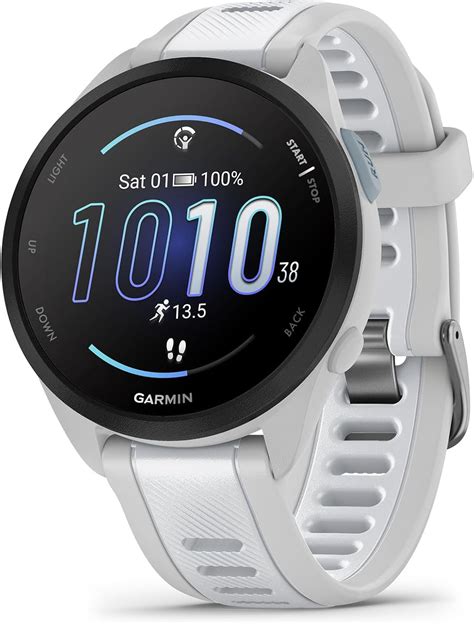
Brands like Garmin (e.g., Forerunner, Fenix series), Polar, and Coros dominate the multi-sport and endurance training space. These watches offer robust GPS tracking, advanced running dynamics, power meter compatibility, and a wealth of real-time workout metrics. Crucially, they integrate sophisticated training load management (e.g., Garmin’s Training Status, Acute Load), recovery time advisors, and often HRV status (in newer models) directly into their ecosystems. They excel at balancing training stress with recovery recommendations based on your activity.
3. Specialized Bands: Deep Dive into Continuous Data
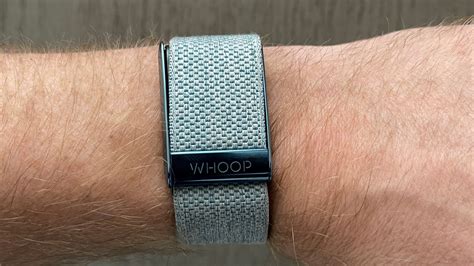
The WHOOP band is a prime example of a wearable solely focused on continuous physiological monitoring, particularly HRV, resting heart rate, and sleep, to provide a daily ‘Recovery’ score. It also tracks ‘Strain’ from daily activities and workouts, helping users balance effort with recovery needs. WHOOP’s strength lies in its 24/7 data collection and the actionable insights derived from long-term trends, often favored by elite athletes and those serious about optimizing their physiological state. While requiring a subscription, its detailed analytics are compelling.
Choosing Your Ideal Performance Maximizer
The ‘best’ wearable ultimately depends on your specific needs and priorities:
- For Deep Recovery Insights and Sleep Optimization: The Oura Ring is a top contender, offering unparalleled accuracy in nocturnal data.
- For Comprehensive Training and Multi-Sport Tracking with Recovery Guidance: High-end GPS watches from Garmin, Polar, or Coros provide a holistic view for active individuals.
- For Continuous Physiological Monitoring and Detailed Recovery/Strain Balance: WHOOP offers in-depth analysis for those committed to understanding their body’s readiness around the clock.
- For Budget-Friendly Options: Entry-level fitness trackers from Fitbit or smartwatches from Apple/Samsung offer basic HR and sleep tracking, though often lack the advanced recovery metrics and analytical depth of specialized devices.
Consider how each device integrates into your daily life, its battery life, comfort, and whether a subscription model aligns with your budget. The accuracy of the sensors is also crucial; chest straps generally offer the most accurate heart rate data, but wrist and finger sensors have significantly improved.
The Future of Performance Wearables
As wearable technology continues to evolve, we can expect even more sophisticated algorithms, personalized coaching via AI, and integration of novel biomarkers. The goal remains consistent: to provide you with the most accurate, actionable data to intelligently push your limits, recover effectively, and ultimately achieve peak performance.