

What smart recovery tech accelerates muscle repair for peak performance?
The Crucial Role of Recovery in Peak Performance
For athletes and fitness enthusiasts, pushing the limits is only half the battle. The other, equally critical half, is effective recovery. It’s during this recovery phase that muscles repair, rebuild, and adapt, growing stronger and more resilient. Without proper recovery, even the most intense training can lead to diminishing returns, injury, and burnout. Fortunately, advancements in smart recovery technology are transforming how we approach post-workout care, offering sophisticated tools to accelerate muscle repair and ensure athletes are always ready for their next challenge.
Understanding the Science of Muscle Repair
When you work out, especially with intense resistance training, you create microscopic tears in your muscle fibers. This is a natural and necessary part of the adaptation process. The body responds by initiating an inflammatory process, followed by satellite cells fusing with existing muscle fibers to repair and rebuild them, often making them larger and stronger than before. This process requires adequate blood flow to deliver nutrients and oxygen, remove waste products, and facilitate cellular regeneration. Smart recovery tech aims to optimize these biological processes, speeding them up and making them more efficient.
Cutting-Edge Smart Recovery Technologies
The market is now flooded with innovative gadgets designed to enhance muscle recovery. Here are some of the most impactful:
1. Dynamic Compression Systems
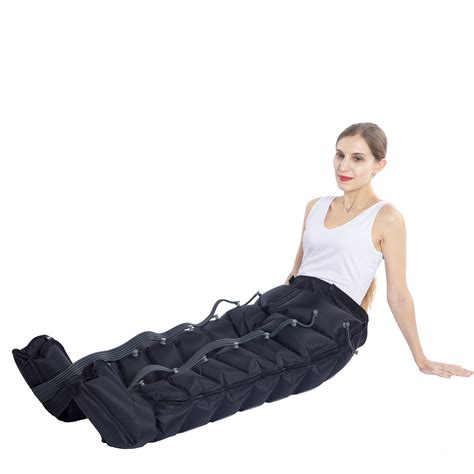
Devices like Normatec or Therabody RecoveryAir use sequential, pulsing compression to enhance blood flow and lymphatic drainage. By rhythmically inflating and deflating air chambers around limbs, these systems mimic the body’s natural muscle pump, helping to clear metabolic waste products (like lactic acid) and reduce swelling. This can significantly reduce delayed onset muscle soreness (DOMS) and accelerate the delivery of fresh, oxygenated blood to recovering tissues.
2. Percussion Therapy Devices (Massage Guns)
Massage guns such as the Theragun or Hypervolt deliver rapid, short-amplitude pulses deep into muscle tissue. This percussive action helps to increase blood flow, release muscle knots, reduce muscle stiffness, and improve range of motion. By targeting specific muscle groups, users can effectively loosen tight spots and aid in localized recovery, making them incredibly popular for both warm-ups and cool-downs.

3. Cryotherapy and Heat Therapy Solutions
While full-body cryotherapy chambers are often found in professional settings, localized cryotherapy devices (cold compression wraps) and infrared heating pads are accessible to a broader audience. Cold therapy constricts blood vessels, reducing inflammation and numbing pain, while heat therapy increases blood flow, promoting muscle relaxation and tissue repair. Combining these therapies, sometimes called contrast therapy, can be particularly effective in flushing out waste products and bringing in fresh nutrients.
4. Electrical Muscle Stimulation (EMS) and TENS Units
EMS devices use electrical impulses to cause muscle contractions, which can be used for both strengthening and recovery. In a recovery context, lower frequency EMS settings can improve blood circulation, reduce muscle spasms, and promote relaxation without the strain of active exercise. TENS (Transcutaneous Electrical Nerve Stimulation) units, while primarily for pain relief, can also aid recovery by modulating pain signals, allowing for more comfortable movement and relaxation.
5. Advanced Wearable Biometrics and Sleep Trackers
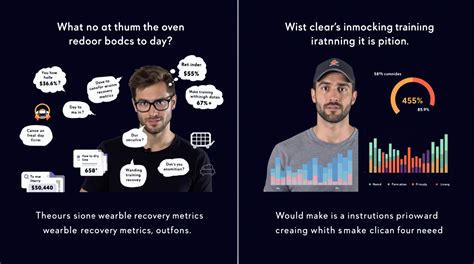
Recovery isn’t just about what happens after a workout; it’s also about lifestyle. Wearables like the Whoop strap, Oura Ring, or certain smartwatches track crucial biometric data such as heart rate variability (HRV), sleep stages, resting heart rate, and skin temperature. By analyzing these metrics, athletes can gain insights into their body’s readiness for training, detect signs of overtraining, and optimize their sleep patterns – the most critical component of natural muscle repair and hormonal balance.
Integrating Tech for Optimal Results
The true power of smart recovery tech lies in its integration. A holistic approach combining several modalities can yield the best results. For example, using dynamic compression post-workout, followed by targeted percussion therapy, and then ensuring a full night’s sleep optimized by wearable data can create a powerful recovery synergy. Athletes are increasingly leveraging these tools not just reactively, but proactively, to manage their training load and prevent injuries before they occur.
The Future of Muscle Repair and Performance
As technology continues to evolve, we can expect even more personalized and intelligent recovery solutions. AI-driven analytics will likely offer more precise recovery protocols tailored to individual biometrics and training schedules. From advanced material science in compression wear to more sophisticated non-invasive biofeedback devices, the future promises an even faster, smarter path to muscle repair and sustained peak performance. Embracing these technologies isn’t just about getting back to training faster; it’s about training smarter and performing at your absolute best, consistently.