

What smart gear optimizes fitness tracking & recovery for peak performance?
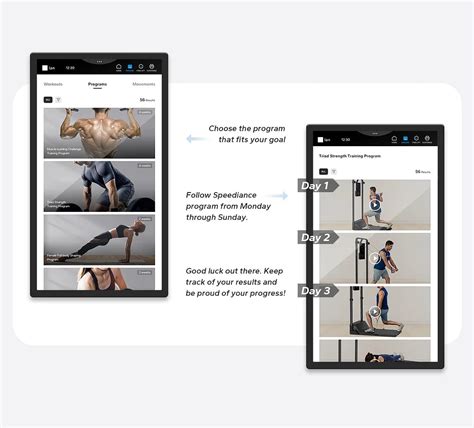
The Evolution of Fitness: Leveraging Smart Gear for Optimal Performance
In the relentless pursuit of peak physical condition, athletes and fitness enthusiasts constantly seek an edge. Gone are the days of simple pedometers; today’s landscape is dominated by sophisticated smart gear that offers unprecedented insights into our bodies’ performance and recovery needs. This technology isn’t just about counting steps; it’s about understanding the intricate dance between training, physiological responses, and essential recuperation, enabling a truly optimized approach to fitness.
 ARIES_IMG_2_
Precision Tracking: Beyond the Basics
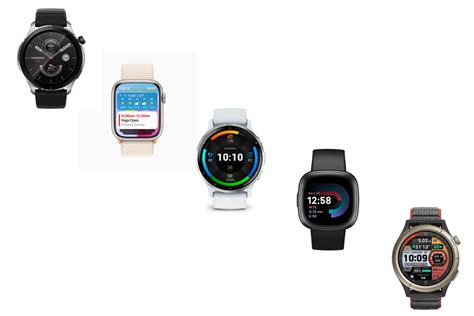
Modern smart wearables are at the forefront of fitness tracking, moving far beyond mere activity logging. Devices like advanced smartwatches (e.g., Apple Watch, Garmin Fenix series) and dedicated fitness trackers (e.g., Fitbit, Polar) now provide comprehensive data streams. They monitor heart rate variability (HRV), blood oxygen saturation (SpO2), stress levels, GPS-tracked routes, calorie expenditure, and even offer guided workouts and sleep stage analysis. This wealth of data allows users to monitor training load, identify overtraining risks, and understand their unique physiological responses to different activities.
More specialized trackers, such as the Whoop strap or Oura Ring, excel in continuous, passive monitoring. They focus heavily on recovery metrics, analyzing sleep quality, resting heart rate, and HRV to provide a daily “readiness” score. This score helps athletes determine if they should push harder or prioritize rest, ensuring training aligns with the body’s current capacity, which is crucial for preventing injuries and maximizing gains.
Revolutionizing Recovery: The Unsung Hero of Performance
True peak performance isn’t just about how hard you train, but how effectively you recover. Smart recovery tools have emerged as game-changers, actively aiding the body’s repair processes. Percussive therapy devices, commonly known as massage guns (e.g., Theragun, Hypervolt), use rapid, repetitive strokes to relieve muscle soreness, improve circulation, and enhance range of motion, preparing muscles for the next session.
 ARIES_IMG_3_
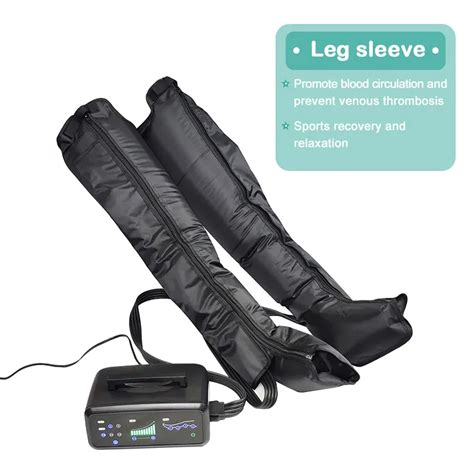
Similarly, dynamic air compression boots (e.g., Normatec, PowerDot) utilize sequential inflation and deflation to flush metabolic waste from the limbs, reduce swelling, and accelerate recovery. These tools, once exclusive to professional sports teams, are now accessible to a wider audience, bringing elite-level recovery strategies into home gyms.
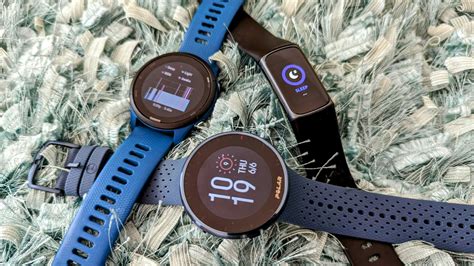
Beyond physical recovery, smart sleep aids and trackers play a vital role. Devices that monitor sleep patterns, track sleep stages (REM, deep, light), and even offer smart alarms or white noise generators contribute significantly to mental and physical rejuvenation, which is arguably the most critical aspect of overall recovery.
 ARIES_IMG_4_
Seamless Integration and Actionable Insights
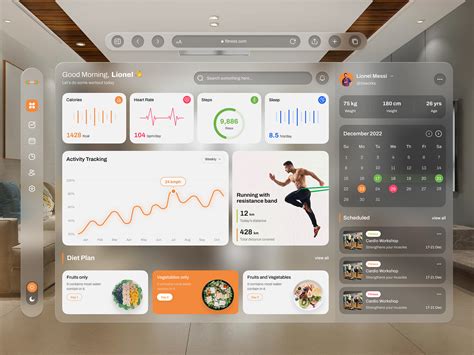
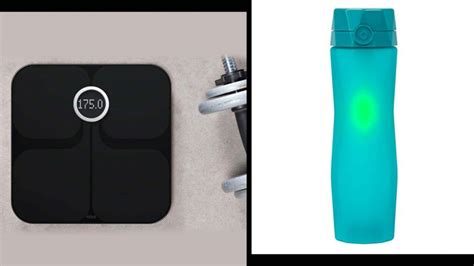
The real power of smart gear lies in its ability to integrate data from various sources and translate it into actionable insights. Many ecosystems allow for seamless syncing between devices—your smartwatch tracks a run, your smart scale measures body composition, and your recovery boots record a session, all feeding into a central app. This consolidated view provides a holistic picture of your health and performance.
Advanced platforms often employ AI and machine learning to analyze vast datasets, identifying trends and offering personalized recommendations for training adjustments, nutrition, and recovery protocols. Instead of generic advice, users receive tailored guidance based on their unique physiological responses and goals, propelling them towards their peak performance potential more efficiently.
 ARIES_IMG_5_
Choosing Your Arsenal: A Strategic Approach
With an ever-expanding market, selecting the right smart gear can feel overwhelming. Consider your primary fitness goals: Are you focused on endurance, strength, general wellness, or competitive performance? For comprehensive tracking, a high-end GPS smartwatch or a dedicated fitness tracker might be ideal. If recovery is your main bottleneck, investing in a quality massage gun, compression boots, or a specialized recovery wearable (like Whoop or Oura) could yield significant benefits.
Budget, ecosystem compatibility (e.g., Apple Health, Google Fit), and user interface preference also play crucial roles. Often, a combination of devices, strategically chosen to complement each other, provides the most comprehensive and effective approach to optimizing both tracking and recovery.
 ARIES_IMG_6_
The Future is Smart: Unlocking Your Peak Potential
Smart gear has undeniably transformed the fitness landscape, moving beyond simple data collection to offering intelligent, personalized guidance for both training and recovery. By providing deep insights into our bodies and enabling targeted interventions, these technologies empower individuals to train smarter, recover more efficiently, and ultimately unlock their full athletic potential. As technology continues to evolve, the integration of biofeedback, advanced AI, and even more personalized interventions promises an even brighter future for achieving and sustaining peak performance.