




What sleep hacks optimize recovery & energy for daily peak performance?

In our relentless pursuit of daily peak performance, we often overlook the most fundamental yet powerful tool at our disposal: sleep. It’s not merely a period of inactivity but a critical biological process where our bodies and minds repair, restore, and consolidate memories, laying the groundwork for optimal functioning the next day. Neglecting sleep can lead to diminished cognitive function, reduced physical stamina, impaired mood, and even long-term health issues. But what if we could strategically hack our sleep to maximize its restorative power?
Understanding the Science of Restorative Sleep
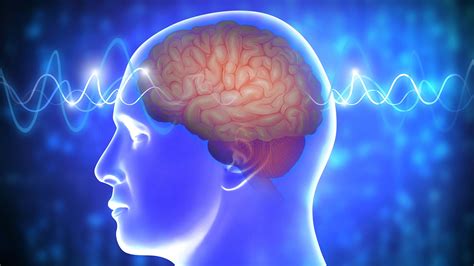
To truly optimize recovery and energy, it’s essential to understand the different stages of sleep. Our night’s rest cycles through non-REM (NREM) sleep – comprising light sleep, deep sleep (slow-wave sleep), and REM (rapid eye movement) sleep. Deep sleep is crucial for physical recovery, growth hormone release, and immune system strength. REM sleep, on the other hand, is vital for cognitive functions, memory consolidation, and emotional regulation. Ensuring sufficient time in both these restorative stages is paramount for waking up refreshed and ready to perform.
Foundational Sleep Hygiene Practices
Before diving into advanced hacks, mastering the basics of sleep hygiene is non-negotiable. These practices create an optimal environment and routine conducive to quality sleep:
- Maintain a Consistent Sleep Schedule: Go to bed and wake up at roughly the same time every day, even on weekends. This helps regulate your circadian rhythm, your body’s internal clock.
- Optimize Your Sleep Environment: Your bedroom should be dark, quiet, and cool (ideally between 60-67°F or 15-19°C). Block out light with blackout curtains and consider earplugs or a white noise machine if needed.
- Limit Stimulants: Avoid caffeine and nicotine in the late afternoon and evening, as their stimulating effects can linger for hours.
- Moderating Alcohol Intake: While alcohol might initially make you feel drowsy, it disrupts sleep architecture, particularly REM sleep, leading to fragmented and less restorative rest.
Evening Routines for Optimal Wind-Down
The hour or two before bed significantly impacts sleep quality. Creating a calming pre-sleep routine signals to your body that it’s time to wind down:
- Digital Detox: Avoid screens (phones, tablets, computers, TVs) for at least an hour before bed. The blue light emitted by these devices can suppress melatonin production, the hormone that promotes sleep.
- Relaxation Techniques: Incorporate activities like reading a physical book, taking a warm bath, gentle stretching, or practicing mindfulness meditation. These help calm the mind and body.
- Journaling: If your mind races with thoughts, try journaling for a few minutes to clear your head before attempting to sleep.

Nutritional & Lifestyle Adjustments for Better Sleep
What you consume and how you live throughout the day can also profoundly impact your night’s rest.
- Strategic Exercise: Regular physical activity improves sleep quality, but timing is key. Intense workouts too close to bedtime can be stimulating. Aim to finish vigorous exercise at least 3-4 hours before sleep.
- Mindful Eating: Avoid heavy or spicy meals close to bedtime, which can cause indigestion. If you must eat, opt for a light, easily digestible snack. Certain foods like cherries, kiwi, and walnuts contain compounds that can promote sleep.
- Hydration: Stay well-hydrated throughout the day, but reduce fluid intake in the hour or two before bed to minimize nighttime bathroom trips.

Advanced Sleep Hacks & Tools
Once the foundations are solid, consider incorporating some advanced strategies:
- Melatonin Supplementation: For those struggling with circadian rhythm disruption (e.g., jet lag, shift work), a low dose of melatonin can help, but always consult a healthcare professional.
- Blue Light Blocking Glasses: If avoiding screens before bed is impossible, blue light blocking glasses can help mitigate some of the negative effects.
- Sleep Tracking Devices: Wearable tech can provide insights into your sleep patterns, including time spent in different sleep stages. Use this data to identify trends and adjust your habits.
- Light Therapy: Exposure to bright light in the morning can help reset your circadian rhythm, especially useful during darker winter months or for those with delayed sleep phase syndrome.
Conclusion
Optimizing sleep is not a luxury; it’s a non-negotiable investment in your daily peak performance, overall health, and well-being. By implementing these foundational and advanced sleep hacks, you can unlock deeper recovery, sustained energy, enhanced cognitive function, and improved mood. Start by consistently applying a few changes and observe the profound impact they have on your ability to tackle each day with vigor and clarity. Your best self starts with your best sleep.