What recovery hacks optimize sleep & minimize soreness for peak daily performance?
For athletes, fitness enthusiasts, and anyone striving for optimal well-being, the pursuit of peak daily performance extends far beyond the gym. True progress is deeply rooted in how effectively our bodies recover. This article delves into actionable “hacks” that can profoundly impact two critical recovery pillars: optimizing sleep and minimizing muscle soreness, thereby paving the way for consistent, high-level performance.
Optimizing Sleep for Superior Recovery
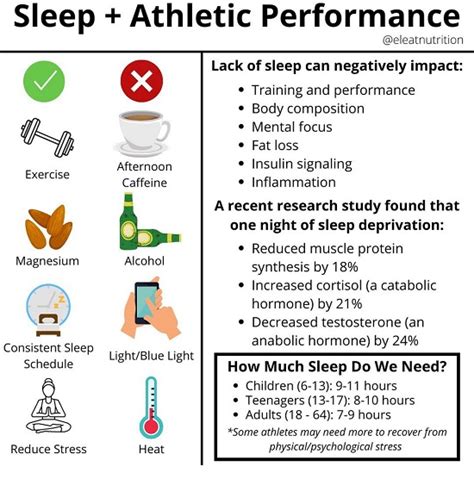
Sleep is arguably the most powerful recovery tool at our disposal. It’s during these crucial hours that our bodies repair tissues, consolidate memories, and restore energy levels. Neglecting sleep can derail even the most dedicated fitness regimen, leading to diminished performance, increased injury risk, and impaired cognitive function.
Mastering Sleep Hygiene
The foundation of great sleep lies in strict sleep hygiene. Aim for a consistent sleep schedule, even on weekends, to regulate your circadian rhythm. Create a cool (ideally 60-67°F or 15-19°C), dark, and quiet bedroom environment. Blackout curtains, earplugs, and a comfortable mattress are non-negotiable investments.

Pre-Sleep Rituals & Nutrition
Wind down before bed with relaxing activities like reading a physical book, taking a warm bath, or practicing meditation. Avoid screens (phones, tablets, TVs) at least an hour before sleep, as blue light can suppress melatonin production. When it comes to nutrition, a light snack rich in tryptophan (like turkey or milk) can be beneficial, but avoid heavy meals close to bedtime. Supplements like magnesium glycinate or tart cherry juice have shown promise in improving sleep quality for some individuals, but always consult a healthcare professional before adding new supplements.
Minimizing Soreness for Faster Bounce-Back
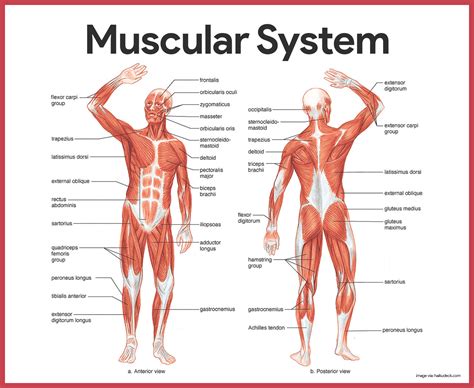
Delayed Onset Muscle Soreness (DOMS) is a common byproduct of effective training, but excessive soreness can impede subsequent workouts and daily functionality. Strategic recovery interventions can significantly reduce its impact.
Active Recovery & Hydration
While rest is vital, complete inactivity can sometimes worsen soreness. Incorporate active recovery sessions like light cardio (walking, cycling), gentle yoga, or stretching on rest days. This helps increase blood flow to muscles, flushing out metabolic waste products. Equally important is consistent hydration. Water plays a crucial role in nutrient transport, waste removal, and maintaining joint health. Aim to drink plenty of water throughout the day, especially around your workouts.
Targeted Nutrition & Tools
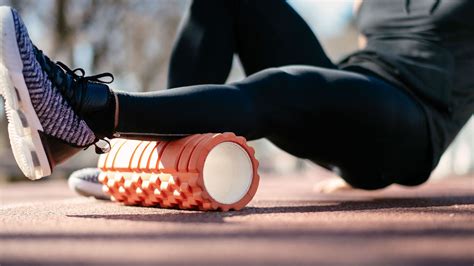
Post-workout nutrition is key. Consuming a blend of protein and carbohydrates within a reasonable window helps repair muscle tissue and replenish glycogen stores. Anti-inflammatory foods such as berries, leafy greens, and fatty fish (rich in Omega-3s) can also aid in reducing inflammation. For direct muscle relief, tools like foam rollers, massage guns, and percussive therapy devices can help break up muscle knots and improve circulation. Cold therapy, such as cold showers or ice baths, is a popular method for reducing inflammation and numbing soreness, though its effectiveness for long-term recovery is still debated.
Integrating Recovery for Sustained Performance
The most effective recovery strategy isn’t about isolated hacks, but rather a holistic, integrated approach. Consistency is paramount; these practices must become regular habits. Listen to your body’s signals – fatigue, persistent soreness, or a dip in performance are all indicators that you might need more rest or a change in your recovery routine. Tracking your sleep, energy levels, and soreness can help you identify patterns and optimize your approach over time.

Conclusion
Achieving peak daily performance is a marathon, not a sprint. By prioritizing and strategically implementing recovery hacks for optimizing sleep and minimizing muscle soreness, you’re not just accelerating physical repair; you’re investing in your overall health, mental clarity, and long-term athletic potential. Make recovery a non-negotiable part of your performance equation, and watch your capabilities soar.