




What proven strategies help high-performing men mitigate chronic stress & burnout?

In today’s demanding professional landscape, high-performing men often operate at the intersection of immense pressure and societal expectations. While drive and ambition are commendable, they can also pave the way for chronic stress and debilitating burnout if not managed effectively. The relentless pursuit of success, combined with a cultural reluctance to acknowledge vulnerability, places many men at risk. However, there are proven strategies that can help these individuals not only navigate but thrive under pressure, ensuring sustained performance without sacrificing their health.
Understanding the Unique Strain on High Achievers
High-performing men often carry the weight of leadership, familial responsibilities, and personal ambitions, frequently pushing themselves beyond sustainable limits. The pressure to consistently deliver, coupled with an ‘always-on’ work culture, can lead to a state of chronic activation of the stress response. This prolonged state can deplete vital resources, impair cognitive function, and significantly impact physical and mental health. Recognizing these unique stressors is the first step toward building effective mitigation strategies.

Prioritizing Foundational Health: The Non-Negotiables
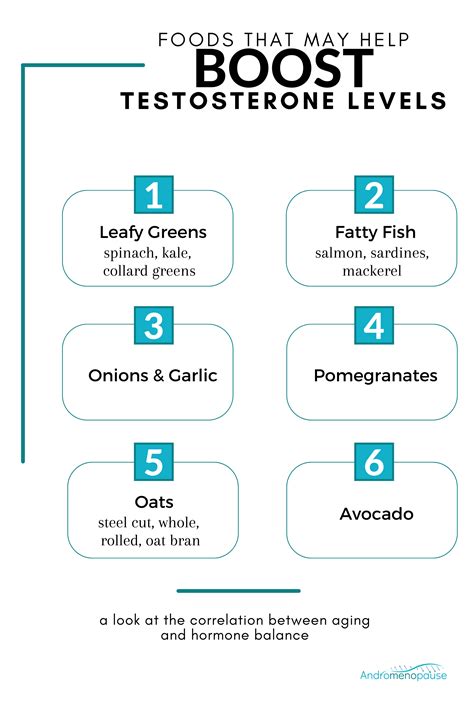
The bedrock of resilience against stress and burnout lies in foundational physical health. High-performing men must treat adequate sleep, consistent nutrition, and regular physical activity not as luxuries, but as critical components of their strategic toolkit. Quality sleep (7-9 hours per night) restores the brain and body, enhancing cognitive function and emotional regulation. A diet rich in whole foods fuels sustained energy and mental clarity, while regular exercise serves as a powerful stress reliever, boosting mood and physical endurance.
Mastering Boundaries and Strategic Disengagement
One of the most effective ways to combat chronic stress is to implement clear boundaries between work and personal life. This involves learning to say ‘no’ to additional commitments that overextend capacity and purposefully creating downtime. Strategic disengagement, whether through dedicated personal time, hobbies, or digital detoxes, allows the mind to recover and prevents the accumulation of mental fatigue. Delegation, where possible, also plays a crucial role in managing workload and preventing overload.
Cultivating Mindfulness and Emotional Intelligence
Mindfulness practices, such as meditation or deep breathing exercises, equip men with tools to observe and manage their stress responses in real-time. Even a few minutes of daily practice can significantly improve focus, reduce anxiety, and foster a greater sense of calm amidst chaos. Developing emotional intelligence allows high performers to better understand and regulate their own emotions, as well as empathize with others, leading to healthier relationships and more effective leadership.

Building a Robust Support System
Isolation can exacerbate feelings of stress and burnout. High-performing men benefit immensely from cultivating strong support networks, including trusted mentors, peer groups, friends, and family. These relationships provide opportunities for candid discussion, shared perspectives, and emotional support. Furthermore, recognizing when professional help is needed – whether from a therapist, coach, or medical doctor – is a sign of strength, not weakness, and can provide invaluable strategies for navigating complex challenges.
Redefining Success: Beyond the Grind
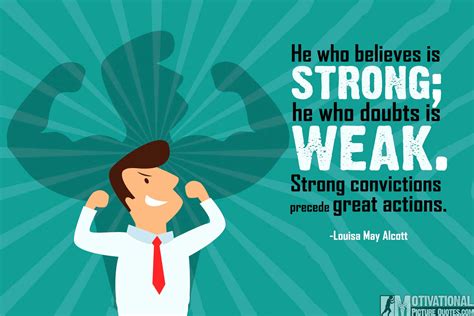
Ultimately, mitigating chronic stress and burnout often requires a re-evaluation of personal definitions of success. True high performance is sustainable performance, which integrates well-being, purpose, and impact, rather than solely focusing on output or accolades. Embracing self-compassion, celebrating small victories, and understanding that rest is productive are crucial shifts in mindset that empower men to achieve greatness without sacrificing their health or happiness.

By consciously adopting these proven strategies, high-performing men can build formidable resilience against the pressures of their demanding lives. These aren’t just coping mechanisms; they are proactive investments in long-term well-being, ensuring that peak performance is not a fleeting burst but a sustainable journey.