




What protein timing and type optimize male muscle growth & recovery post-workout?
For men dedicated to building muscle and enhancing recovery, the post-workout period is a critical window of opportunity. Fueling your body correctly after strenuous exercise is paramount, and protein plays the starring role. But with so much conflicting advice, understanding the optimal timing and type of protein can be a game-changer for your gains.
The Science of Post-Workout Protein Timing
For years, the concept of a narrow “anabolic window” immediately after a workout dominated fitness advice, suggesting that missing a protein shake within 30-60 minutes would significantly hinder progress. While consuming protein relatively soon after exercise is beneficial, current research indicates that this window is more flexible than once believed.
Studies now suggest that as long as adequate protein is consumed throughout the day, the urgency of immediate post-workout intake might be less critical for trained individuals, especially if a pre-workout meal containing protein was consumed. However, for those training in a fasted state or with longer gaps between meals, consuming protein within 1-2 hours post-workout remains highly advisable to kickstart muscle protein synthesis (MPS).

Choosing the Right Protein Type for Maximum Impact
Not all proteins are created equal, especially when it comes to their impact on muscle growth and recovery. The biological value, absorption rate, and amino acid profile are key factors.
Whey Protein: The Gold Standard
Whey protein, derived from milk, is widely considered the most effective post-workout protein. It’s a fast-digesting protein rich in branched-chain amino acids (BCAAs), particularly leucine, which is a primary trigger for muscle protein synthesis. Whey protein isolates and hydrolysates offer even faster absorption with minimal lactose and fat.
Casein Protein: Slow and Steady
Also milk-derived, casein digests much slower than whey, providing a sustained release of amino acids into the bloodstream. While not ideal for immediate post-workout anabolism due to its slower nature, casein can be beneficial before bed to prevent muscle breakdown during sleep.
Plant-Based Proteins: A Growing Alternative
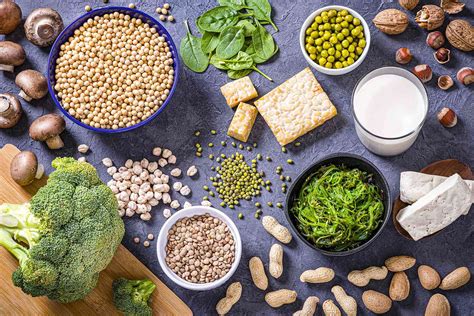
For those following plant-based diets, options like soy, pea, rice, and hemp protein can also support muscle growth. However, it’s often recommended to combine different plant proteins (e.g., pea and rice) to ensure a complete amino acid profile, as individual plant sources may lack sufficient amounts of certain essential amino acids.

Optimal Protein Quantity for Muscle Growth
Beyond timing and type, the total amount of protein consumed is crucial. For maximizing MPS post-workout, research suggests consuming 20-40 grams of high-quality protein, depending on body weight, training intensity, and overall daily protein intake. For men, this usually translates to roughly 0.25-0.55 grams of protein per kilogram of body weight per meal.
Throughout the day, aiming for a total daily protein intake of 1.6-2.2 grams per kilogram of body weight, distributed across 4-6 meals, has been shown to be effective for muscle hypertrophy and recovery.

Synergistic Nutrients: Beyond Protein
While protein is foundational, other nutrients play vital supporting roles in post-workout recovery and growth:
- Carbohydrates: Consuming carbohydrates alongside protein replenishes glycogen stores, which are depleted during exercise. This also helps create an anabolic environment by triggering insulin release, which can help drive amino acids into muscle cells. A 2:1 or 3:1 carb-to-protein ratio is often recommended post-workout.
- Creatine: This well-researched supplement enhances strength, power, and muscle mass by increasing ATP regeneration. While not directly a protein, it complements protein intake for muscle building goals.

Putting It All Together: Practical Recommendations
For optimal male muscle growth and recovery, consider these practical strategies:
- Prioritize Total Daily Protein: Ensure you’re meeting your overall protein needs (1.6-2.2 g/kg body weight) distributed throughout the day.
- Post-Workout Protein Intake: Aim for 20-40 grams of fast-digesting protein, ideally whey, within 1-2 hours after your workout. If you train fasted, consider consuming it sooner.
- Include Carbs: Pair your post-workout protein with easily digestible carbohydrates (e.g., fruit, white rice, dextrose) to replenish glycogen and enhance recovery.
- Consider Casein Before Bed: A slow-digesting protein like casein can be beneficial to support overnight muscle repair.
- Individualize: Listen to your body and adjust your intake based on your training volume, intensity, and personal goals. Consistency is key.

Conclusion
Optimizing post-workout protein timing and type is a powerful strategy for men seeking to maximize muscle growth and accelerate recovery. While the “anabolic window” may be wider than once thought, a swift intake of 20-40 grams of high-quality, fast-digesting protein like whey, coupled with carbohydrates, provides the ideal environment for muscle repair and synthesis. By strategically planning your post-workout nutrition, you can significantly enhance your training adaptations and achieve your physique goals more effectively.