




What post-workout nutrition maximizes muscle recovery & growth for peak performance?

The Crucial Window: Why Post-Workout Nutrition Matters
After an intense workout, your muscles are in a state of breakdown, and your energy reserves (glycogen) are depleted. This immediate post-exercise period is often referred to as the ‘anabolic window,’ a critical time where your body is primed to absorb nutrients and begin the repair and rebuilding process. Strategic nutrition during this phase is paramount not just for recovery but also for stimulating muscle protein synthesis, leading to growth and improved strength. Ignoring this window can compromise your progress, extend recovery times, and hinder future performance.

Macronutrients: The Building Blocks of Recovery and Growth
Protein: Repair and Rebuild
Protein is arguably the most vital nutrient post-workout. Exercise creates micro-tears in muscle fibers, and protein provides the amino acids necessary to repair these tears and synthesize new muscle tissue. Aim for 20-40 grams of high-quality protein, such as whey protein, casein, lean meats, fish, eggs, or plant-based options like soy or pea protein, within 30-60 minutes after your workout. Whey protein is particularly popular due to its rapid digestion and high leucine content, an amino acid crucial for initiating muscle protein synthesis.
Carbohydrates: Replenish and Recharge
During exercise, your body uses glycogen stored in muscles and the liver for energy. Consuming carbohydrates post-workout helps replenish these depleted glycogen stores, which is vital for energy levels and subsequent training sessions. The amount of carbohydrates needed depends on the intensity and duration of your workout, but a general guideline is 0.5-1.0 grams per pound of body weight, especially after strenuous or prolonged activity. Opt for fast-digesting carbohydrates like white rice, potatoes, fruit, or sports drinks immediately after training, and integrate slower-digesting carbs like oats or whole grains into your subsequent meals.
The Importance of Timing and Ratios
While the ‘anabolic window’ was once thought to be very narrow, current research suggests it might be broader (a few hours). However, consuming protein and carbohydrates sooner rather than later can kickstart recovery. A common recommendation is a 2:1 or 3:1 carbohydrate-to-protein ratio, especially for endurance athletes or those with high-volume training. For strength athletes, a slightly lower ratio might suffice, focusing more heavily on adequate protein intake.
Hydration and Micronutrients
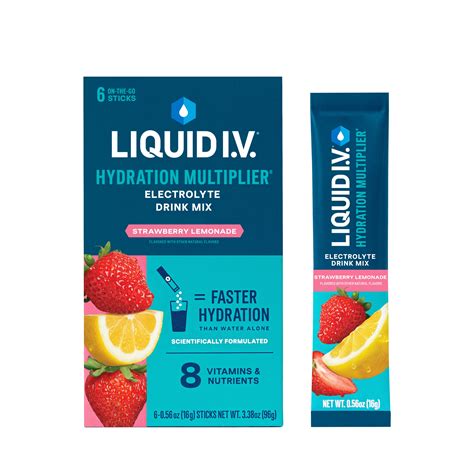
Don’t overlook the importance of rehydration. Sweating during exercise leads to fluid and electrolyte loss. Drink plenty of water before, during, and after your workout. Electrolyte-rich beverages can also be beneficial, especially after prolonged or intense sessions. While macronutrients take center stage, micronutrients (vitamins and minerals) play supporting roles in countless metabolic processes crucial for recovery and overall health. Ensure your post-workout meal includes a variety of fruits and vegetables.
Supplements to Consider
- Creatine: Enhances strength and power output, and can support recovery. Best taken consistently, not just post-workout.
- BCAAs (Branched-Chain Amino Acids): While a complete protein source will provide BCAAs, supplementing them may help reduce muscle soreness and fatigue, particularly if protein intake is otherwise low.
- Glutamine: An amino acid that plays a role in immune function and gut health, which can be stressed by intense training.
Always consult with a healthcare professional or registered dietitian before introducing new supplements to your routine.

Individualization and Consistency
Optimal post-workout nutrition isn’t a one-size-fits-all approach. Factors like your body weight, training intensity, type of exercise, personal goals, and dietary preferences all influence your specific needs. Experiment with different foods and ratios to find what works best for your body. The most critical aspect, however, is consistency. Regularly fueling your body properly after workouts will yield the best long-term results in terms of muscle recovery, growth, and peak performance.