




What nutritional changes boost male testosterone for peak performance?
Understanding Testosterone and Its Importance
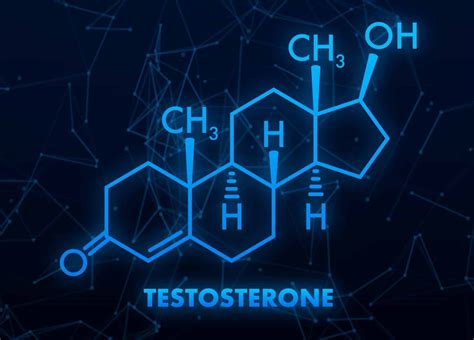
Testosterone, the primary male sex hormone, plays a critical role in various bodily functions beyond just reproductive health. It influences muscle mass, bone density, fat distribution, red blood cell production, mood, and energy levels. Optimal testosterone levels are essential for men seeking peak physical and mental performance, as well as overall well-being. While age naturally brings a gradual decline in testosterone, lifestyle factors, especially nutrition, can significantly impact its production and utilization.
For men aiming to enhance their vitality, strength, and cognitive function, adopting a strategic nutritional approach is a powerful tool. This article delves into the specific dietary changes and nutrients that can naturally support and boost testosterone levels, paving the way for improved performance in all aspects of life.
The Cornerstone Nutrients for Testosterone Production
Several vitamins and minerals are directly involved in the complex biochemical pathways that lead to testosterone synthesis. Ensuring adequate intake of these key nutrients is paramount:
Zinc: The Essential Mineral
- Role: Zinc is crucial for testosterone production and helps prevent its conversion to estrogen. Deficiency is a common cause of low testosterone.
- Sources: Oysters (exceptionally high), red meat, poultry, beans, nuts (cashews, almonds), whole grains, and dairy products.
Vitamin D: The Sunshine Hormone
- Role: Often referred to as a hormone itself, Vitamin D receptors are found on Leydig cells in the testes, which produce testosterone. Studies link higher Vitamin D levels to increased testosterone.
- Sources: Sunlight exposure, fatty fish (salmon, mackerel), fortified foods (milk, cereal), and egg yolks. Supplementation may be necessary, especially in regions with limited sun.
Magnesium: The Muscle and Hormone Helper
- Role: Magnesium is involved in over 300 enzymatic reactions, including those related to hormone production. It binds to sex hormone-binding globulin (SHBG), leaving more free (bioavailable) testosterone in the blood.
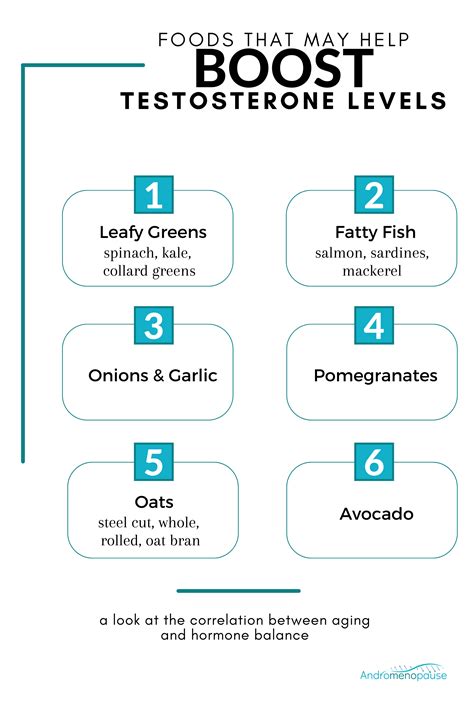
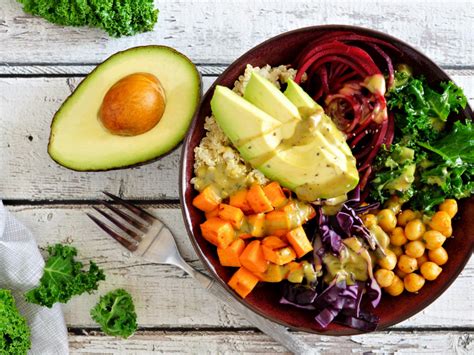
- Sources: Dark leafy greens (spinach), nuts (almonds, cashews), seeds, legumes, whole grains, dark chocolate, and avocados.
Boron: The Trace Element
- Role: Though a trace mineral, boron has been shown in some studies to increase free testosterone and reduce estrogen levels.
- Sources: Raisins, prunes, avocados, nuts, and broccoli.
The Importance of Healthy Fats
Contrary to outdated beliefs, healthy fats are essential for hormone production, including testosterone. Cholesterol, a type of fat, is a precursor to testosterone.
- Monounsaturated Fats (MUFAs): Found in olive oil, avocados, and nuts. These fats support overall hormone health.
- Omega-3 Fatty Acids: Found in fatty fish (salmon, mackerel, sardines), flaxseeds, chia seeds, and walnuts. Omega-3s reduce inflammation, which can negatively impact hormone function.
- Saturated Fats (in moderation): While excessive intake is unhealthy, a moderate amount from quality sources (e.g., grass-fed butter, coconut oil, organic red meat) is necessary for cholesterol synthesis, the building block of testosterone.
Proteins and Carbohydrates: Balanced Intake is Key
A balanced intake of macronutrients is crucial for optimal hormone function:
- Protein: Adequate protein intake is vital for muscle growth and repair, which is intrinsically linked to testosterone’s effects. Aim for lean protein sources like chicken, turkey, fish, lean beef, eggs, and plant-based options.
- Carbohydrates: While low-carb diets are popular, severely restricting carbohydrates can increase cortisol (a stress hormone) and negatively impact testosterone. Complex carbohydrates from whole grains, fruits, and vegetables provide energy for workouts and support overall endocrine health.
Foods to Limit or Avoid
Just as some foods boost testosterone, others can hinder its production:
- Processed Foods & Sugars: High intake can lead to insulin resistance, inflammation, and increased body fat, all of which are detrimental to testosterone levels.
- Excessive Alcohol: Chronic heavy alcohol consumption can directly damage Leydig cells and increase the conversion of testosterone to estrogen.
- Trans Fats: Found in many fried foods and baked goods, trans fats are harmful to cardiovascular health and can negatively impact hormone balance.
- Soy Products (in excess): Some studies suggest that very high intake of soy isoflavones might have estrogenic effects, though research is mixed and moderate consumption is generally considered safe.
Practical Dietary Strategies
- Prioritize Whole, Unprocessed Foods: Base your diet around vegetables, fruits, lean proteins, healthy fats, and whole grains.
- Ensure Adequate Zinc and Vitamin D: Incorporate zinc-rich foods daily and consider Vitamin D supplementation, especially if sun exposure is limited.
- Don’t Fear Healthy Fats: Include sources like avocados, nuts, seeds, and fatty fish regularly.
- Balance Macronutrients: Maintain a healthy balance of protein, complex carbohydrates, and fats to support energy levels and hormone production.
- Stay Hydrated: Water is essential for every bodily function, including hormone transport.

Conclusion
Optimizing testosterone levels through nutritional changes is a powerful and natural way for men to achieve peak performance, enhance vitality, and improve overall health. By focusing on a diet rich in essential vitamins (like D), minerals (zinc, magnesium, boron), healthy fats, and balanced macronutrients, while limiting detrimental processed foods and excessive alcohol, men can significantly support their hormonal health. Remember that nutrition is one piece of the puzzle; a holistic approach also includes regular exercise, adequate sleep, and stress management for truly transformative results.