




What nutrition strategies naturally boost testosterone and energy for peak performance?
Fueling Your Inner Engine: The Nutritional Keys to Testosterone and Energy
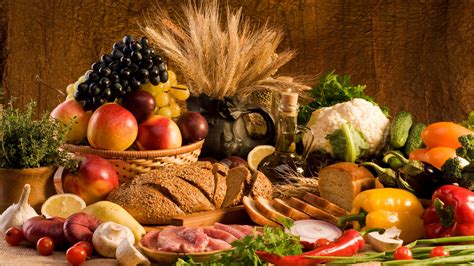
For anyone striving for peak physical and mental performance, optimizing hormone levels and maintaining robust energy is paramount. While numerous factors contribute, nutrition stands as a cornerstone in naturally boosting testosterone and sustaining energy. A well-crafted diet can be a powerful ally, influencing everything from muscle synthesis and recovery to cognitive function and mood.
This article delves into specific nutritional strategies, breaking down the macronutrients, micronutrients, and dietary choices that can help unlock your body’s full potential.
The Foundation: Macronutrient Balance for Hormones and Energy
Achieving the right balance of fats, proteins, and carbohydrates is crucial for both hormone production and consistent energy levels.
Healthy Fats: Essential for Testosterone Synthesis
- Monounsaturated and Saturated Fats: Often misunderstood, healthy saturated fats and monounsaturated fats are vital building blocks for cholesterol, which is a precursor to testosterone. Focus on sources like avocados, olive oil, nuts (almonds, walnuts), seeds (chia, flax), and fatty fish (salmon, mackerel). Coconut oil and grass-fed butter are also excellent choices for healthy saturated fats in moderation.
- Avoid Trans Fats: Industrially produced trans fats can negatively impact heart health and hormone function, so steer clear of hydrogenated oils.
Quality Protein: Muscle, Repair, and Satiety
- Lean Proteins: Adequate protein intake is fundamental for muscle repair, growth, and general metabolic function, which indirectly supports energy. Include lean meats (chicken, turkey, grass-fed beef), eggs, fish, dairy, and plant-based options like legumes, tofu, and quinoa in your diet.
- Amino Acids: Proteins provide the amino acids necessary for neurotransmitter synthesis, contributing to stable energy and mood.
Complex Carbohydrates: Sustained Energy Release
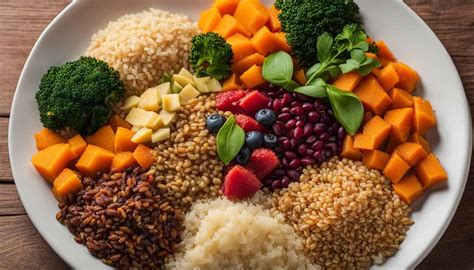
- Whole Grains and Fibrous Foods: Complex carbohydrates like oats, brown rice, quinoa, whole-wheat bread, and starchy vegetables (sweet potatoes) provide a slow and steady release of glucose into the bloodstream. This prevents energy crashes and maintains glycogen stores, essential for endurance and high-intensity activities.
- Fruits and Vegetables: Rich in natural sugars, fiber, and an array of vitamins, fruits and vegetables offer quick energy while supporting overall health.
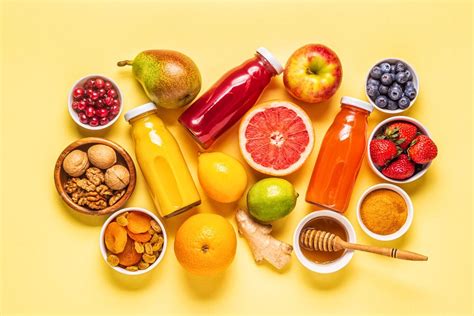
Micronutrient Powerhouses: Vitamins and Minerals
Specific vitamins and minerals play direct roles in testosterone production and energy metabolism.
- Vitamin D: Often called the ‘sunshine vitamin,’ Vitamin D is a steroid hormone itself and directly correlated with testosterone levels. Spend time in the sun, and include sources like fatty fish (salmon, tuna), fortified dairy, and consider supplementation under professional guidance.
- Zinc: This essential mineral is crucial for testosterone synthesis and immune function. Oysters are the richest source, followed by red meat, poultry, beans, nuts, and pumpkin seeds.
- Magnesium: Involved in over 300 enzymatic reactions, magnesium is vital for energy production, muscle function, and sleep quality, all of which impact testosterone. Find it in leafy greens (spinach, kale), nuts, seeds, legumes, and dark chocolate.
- B Vitamins: A full spectrum of B vitamins (B1, B2, B3, B5, B6, B7, B9, B12) is critical for converting food into energy. Incorporate whole grains, meat, eggs, dairy, and leafy greens.
- Selenium: An antioxidant that supports thyroid function (which impacts energy and metabolism) and may play a role in testosterone production. Brazil nuts are an excellent source.
Strategic Food Choices and Dietary Habits
Emphasize Testosterone-Friendly Foods:
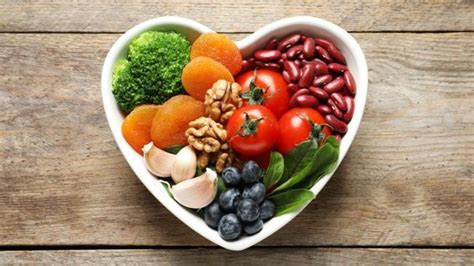
- Cruciferous Vegetables: Broccoli, cauliflower, cabbage, and Brussels sprouts contain indole-3-carbinol, which helps metabolize estrogen, potentially leading to a more favorable testosterone-to-estrogen ratio.
- Garlic: Contains allicin, which may help reduce cortisol (a stress hormone) levels, thereby indirectly supporting testosterone.
- Berries and Antioxidants: Foods rich in antioxidants like berries, dark chocolate, and colorful vegetables combat oxidative stress, which can negatively impact hormone health and energy.
Hydration: The Often-Overlooked Energy Boost
Dehydration can lead to fatigue, reduced cognitive function, and impaired physical performance. Ensure consistent water intake throughout the day to support all bodily functions, including nutrient transport and energy metabolism.
Timing Your Meals:
While not strictly about T-levels, consistent meal timing and avoiding long periods without food can help stabilize blood sugar and energy levels, preventing performance dips.

Foods to Limit or Avoid
Just as important as what you eat is what you avoid. Certain foods can detrimentally affect hormone balance and energy:
- Processed Foods and Sugary Drinks: High in refined sugars and unhealthy fats, these can lead to insulin resistance, inflammation, and energy crashes, negatively impacting hormone health.
- Excessive Alcohol: Chronic heavy alcohol consumption can suppress testosterone production and disrupt sleep patterns, severely impacting energy.
- Unhealthy Trans Fats: Found in many processed and fried foods, these are detrimental to overall health and hormone function.

Conclusion: A Holistic Nutritional Approach
Boosting testosterone and energy naturally for peak performance isn’t about quick fixes but a consistent, holistic nutritional approach. By prioritizing healthy fats, quality proteins, complex carbohydrates, and key micronutrients like Vitamin D, zinc, and magnesium, you create an optimal internal environment. Combine these dietary strategies with adequate hydration, stress management, and quality sleep, and you’ll be well on your way to sustained energy, enhanced performance, and robust hormonal health. Always consider consulting with a healthcare professional or registered dietitian for personalized advice tailored to your specific needs and health status.