




What nutrition strategies boost male energy, focus, and testosterone for peak performance?
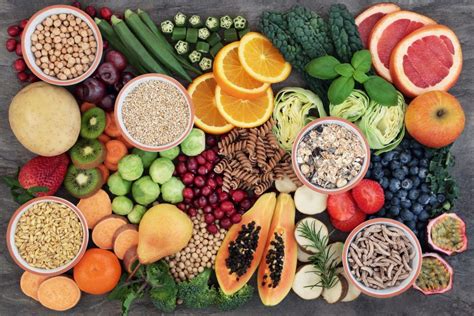
Achieving peak performance, whether in the boardroom, the gym, or daily life, hinges significantly on optimal male energy, laser-sharp focus, and robust testosterone levels. While many factors contribute to these vital aspects of men’s health, nutrition stands as a cornerstone. Crafting a diet specifically tailored to support these functions can unlock a new level of vitality and capability.
The Macronutrient Blueprint for Sustained Energy
Sustained energy and mental clarity begin with a balanced intake of macronutrients: carbohydrates, proteins, and fats.
Carbohydrates: Fueling Mind and Body
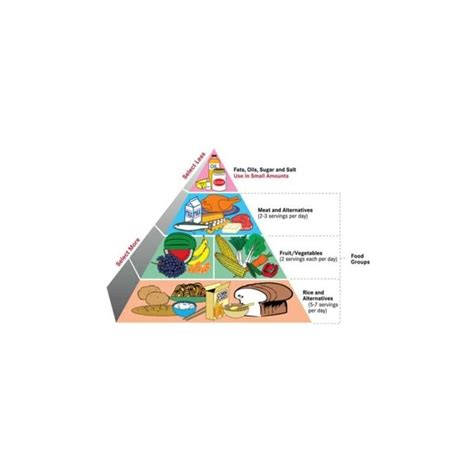
Often misunderstood, quality carbohydrates are the body’s primary fuel source. Opt for complex carbohydrates like whole grains (oats, brown rice, quinoa), fruits, and vegetables. These provide a steady release of glucose, preventing energy crashes and supporting brain function. Avoid excessive simple sugars which lead to energy spikes and subsequent dips.
Proteins: Building Blocks for Hormones and Muscles
Essential for muscle repair, growth, and the synthesis of hormones, including testosterone. Aim for a consistent intake of lean protein sources throughout the day, such as chicken breast, turkey, lean beef, fish, eggs, and plant-based options like lentils and beans. Adequate protein also contributes to satiety and stable blood sugar.
Healthy Fats: Critical for Hormone Production
Far from being the enemy, healthy fats are crucial for hormone production, brain health, and nutrient absorption. Incorporate sources like avocados, nuts, seeds (flax, chia), olive oil, and fatty fish (salmon, mackerel). These healthy fats are particularly vital for testosterone synthesis and cognitive function.
Micronutrients: The Catalysts for Testosterone and Focus
Beyond macronutrients, a spectrum of vitamins and minerals acts as cofactors for countless bodily processes, including hormone regulation and neurological health.

Zinc: Testosterone’s Best Friend
This mineral is paramount for testosterone production and immune function. Deficiencies can lead to reduced testosterone. Good sources include oysters, red meat, pumpkin seeds, and legumes.
Vitamin D: The Sunshine Hormone
Often called the “sunshine vitamin,” Vitamin D plays a critical role in testosterone synthesis and mood regulation. Many men are deficient, especially in less sunny climates. Fatty fish, fortified foods, and sunlight exposure are key, and supplementation is often recommended.
Magnesium: Energy and Relaxation
Involved in over 300 enzymatic reactions, magnesium supports muscle function, energy production, and sleep quality, all of which indirectly impact testosterone and focus. Spinach, almonds, black beans, and avocados are excellent sources.
B Vitamins: Metabolic Powerhouses
A full complex of B vitamins (B6, B9, B12) is vital for energy metabolism, neurotransmitter synthesis, and reducing fatigue. Whole grains, lean meats, eggs, and leafy greens are rich in B vitamins.
Strategic Food Choices and Natural Testosterone Boosters
Certain foods possess unique properties that can directly or indirectly support male vitality.

- Cruciferous Vegetables: Broccoli, cauliflower, Brussels sprouts, and kale contain compounds that help regulate estrogen levels, which can in turn support healthier testosterone ratios.
- Garlic and Onions: These allium vegetables may support the production of luteinizing hormone (LH), which signals the testes to produce testosterone.
- Berries and Dark Leafy Greens: Packed with antioxidants, these foods combat oxidative stress, protecting cells, including those involved in hormone production and brain health.
- Pomegranate: Studies suggest pomegranate may have benefits for testosterone and cardiovascular health.
- Oysters: Perhaps the most famous aphrodisiac, oysters are incredibly rich in zinc, a direct contributor to testosterone synthesis.
Hydration and Lifestyle Integration
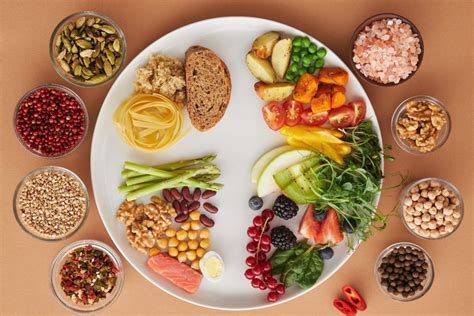
Nutrition doesn’t operate in a vacuum. Optimal hydration is critical for every bodily function, including cognitive performance and metabolic processes. Aim for at least 8-10 glasses of water daily. Beyond diet, incorporating regular strength training, getting adequate sleep (7-9 hours), and managing stress are equally important pillars for maximizing energy, focus, and testosterone. A holistic approach yields the best results.

Conclusion
Elevating male energy, sharpening focus, and optimizing testosterone levels is an achievable goal through strategic nutritional choices. By prioritizing a balanced intake of quality macronutrients, ensuring sufficient micronutrients, incorporating specific beneficial foods, and complementing these efforts with a healthy lifestyle, men can significantly enhance their physical and mental performance, paving the way for a more vibrant and productive life. Consulting with a healthcare professional or registered dietitian can provide personalized guidance tailored to individual needs.