




What natural ways can men optimize testosterone for peak vitality?

Testosterone, the primary male sex hormone, plays a pivotal role in far more than just libido and muscle mass. It influences energy levels, mood, bone density, red blood cell production, and overall cognitive function. As men age, testosterone levels naturally decline, but various lifestyle factors can accelerate this process or keep levels suboptimal. Fortunately, a wealth of natural strategies exists to help men optimize their testosterone for peak vitality and well-being, without resorting to synthetic interventions.
Understanding Testosterone’s Role in Men’s Health
Beyond its well-known association with male characteristics, healthy testosterone levels are crucial for maintaining sustained energy, mental clarity, emotional stability, and a robust metabolism. Low testosterone (hypogonadism) can manifest as fatigue, reduced sex drive, difficulty concentrating, increased body fat, and even depression. The good news is that many of these symptoms can be mitigated or reversed by adopting an intentional approach to hormone optimization through natural means.
The Foundation: Diet and Nutrition
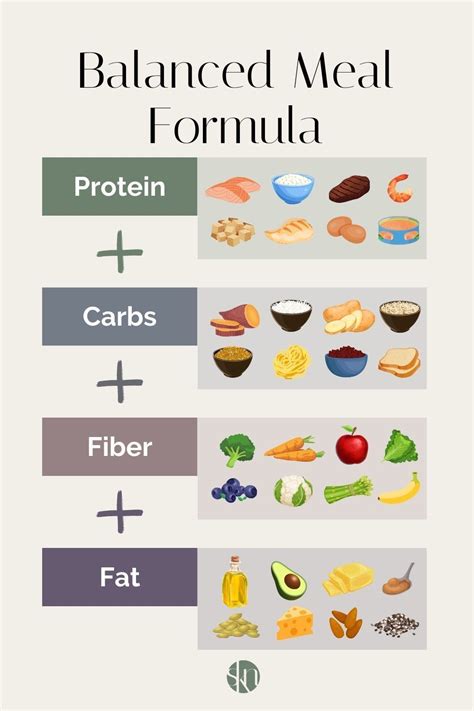
What you eat directly impacts your hormone production. A balanced diet rich in whole foods is paramount.
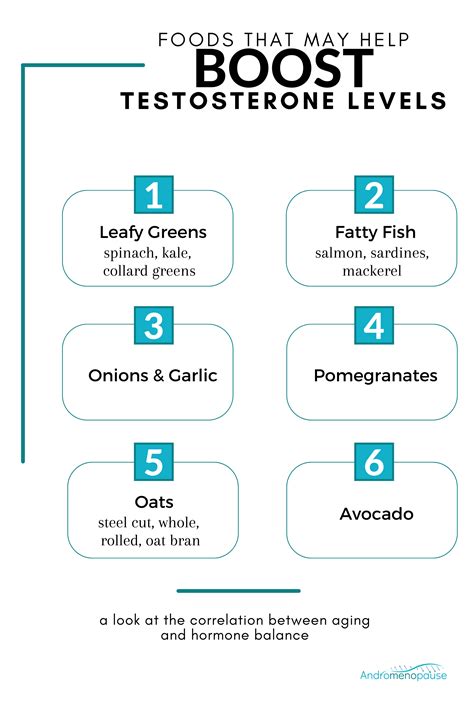
- Healthy Fats: Crucial for hormone synthesis. Include sources like avocados, nuts, seeds, olive oil, and fatty fish (salmon, mackerel). Avoid trans fats and excessive saturated fats.
- Adequate Protein: Essential for muscle building and overall bodily function. Lean meats, poultry, fish, eggs, and legumes are excellent choices.
- Complex Carbohydrates: Provide sustained energy and prevent cortisol spikes. Opt for whole grains, fruits, and vegetables over refined sugars and starches.
- Micronutrient Powerhouses: Ensure sufficient intake of Vitamin D (sunlight exposure, fatty fish, fortified foods) and Zinc (oysters, red meat, pumpkin seeds), as both are directly linked to testosterone production. Magnesium, Vitamin K2, and B vitamins also play supporting roles.
Minimizing processed foods, sugary drinks, and excessive alcohol consumption is equally important, as these can negatively impact metabolic health and hormone balance.
Move Your Body: Exercise Strategies
Regular physical activity is a potent testosterone booster, but not all exercise is created equal.
- Strength Training: Lifting heavy weights, especially compound movements like squats, deadlifts, bench presses, and overhead presses, stimulates significant testosterone release. Aim for 3-4 sessions per week with adequate rest.
- High-Intensity Interval Training (HIIT): Short bursts of intense exercise followed by brief recovery periods can also effectively boost testosterone. Examples include sprints or intense cycling.
- Avoid Overtraining: While exercise is beneficial, excessive or prolonged endurance training (e.g., marathons without proper recovery) can paradoxically lower testosterone and increase cortisol. Balance intensity with adequate rest and recovery.

Prioritize Rest: Sleep’s Impact
Sleep is not merely downtime; it’s a critical period for hormonal regulation, including testosterone synthesis. Studies show that even one week of restricted sleep can significantly lower testosterone levels in young, healthy men.
- Aim for 7-9 Hours: Consistency is key. Establish a regular sleep schedule, going to bed and waking up around the same time each day, even on weekends.
- Improve Sleep Hygiene: Create a dark, cool, and quiet bedroom environment. Avoid screens emitting blue light for at least an hour before bed. Limit caffeine and heavy meals late in the evening.

Master Stress: The Cortisol Connection
Chronic stress elevates cortisol, a hormone that directly antagonizes testosterone. Managing stress is therefore vital for maintaining healthy levels.
- Mindfulness and Meditation: Regular practice can significantly reduce stress and lower cortisol.
- Deep Breathing Exercises: Simple techniques can calm the nervous system quickly.
- Hobbies and Relaxation: Engage in activities you enjoy, spend time in nature, or practice yoga to unwind and de-stress.
- Social Connections: Strong social bonds and healthy relationships can act as buffers against stress.

Consider Lifestyle Factors and Targeted Supplements
Beyond the core pillars, other factors can influence testosterone.
- Limit Alcohol and Environmental Toxins: Excessive alcohol consumption can impair testosterone production. Exposure to endocrine-disrupting chemicals (found in some plastics, pesticides) should also be minimized.
- Maintain a Healthy Weight: Obesity, particularly abdominal fat, can increase the conversion of testosterone to estrogen, further lowering available testosterone.
- Strategic Supplementation (with caution): While whole foods are best, certain supplements may offer support. Vitamin D and Zinc are often recommended if deficiencies exist. Herbs like Ashwagandha (for stress reduction), Fenugreek, and D-Aspartic Acid have shown promise in some studies, but always consult a healthcare professional before starting any new supplement regimen.

Conclusion: A Holistic Approach to Peak Vitality
Optimizing testosterone naturally is not about finding a single magic bullet, but rather adopting a holistic lifestyle that supports overall health and hormonal balance. By consistently focusing on a nutrient-dense diet, effective exercise, quality sleep, and stress management, men can significantly enhance their testosterone levels, leading to increased energy, improved mood, better physical performance, and a profound sense of peak vitality. Always remember to consult with a healthcare provider before making significant changes to your diet, exercise routine, or supplement intake, especially if you suspect you have low testosterone.