




What natural strategies boost testosterone for men seeking peak vitality?

Understanding Testosterone and Its Importance
Testosterone, often dubbed the primary male sex hormone, plays a pivotal role in more than just libido. It’s crucial for muscle mass and strength, bone density, fat distribution, red blood cell production, and even mood and cognitive function. As men age, testosterone levels naturally decline, a process that can lead to symptoms like decreased energy, reduced muscle mass, increased body fat, lower sex drive, and mood changes. While medical interventions exist, many men are seeking natural, holistic approaches to maintain and boost their testosterone levels and reclaim peak vitality.
Optimizing Your Diet for Hormone Health
What you eat significantly impacts your hormone production. A balanced diet rich in specific nutrients can support healthy testosterone levels.
Prioritize Healthy Fats
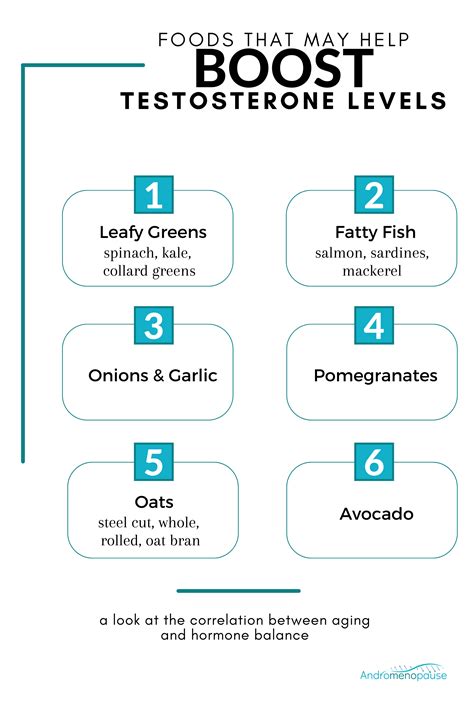
Dietary fats are essential building blocks for hormone production, including testosterone. Include sources of monounsaturated and saturated fats in moderation, such as avocados, nuts, olive oil, and healthy animal fats (from grass-fed meats). Avoid trans fats and limit excessive polyunsaturated fats.
Ensure Adequate Protein Intake
Protein is vital for muscle building and overall hormonal health. Aim for high-quality protein sources like lean meats, poultry, fish, eggs, dairy, and legumes. Adequate protein helps maintain lean muscle mass, which is positively correlated with testosterone.
Don’t Fear Carbohydrates (the Right Ones)
While low-carb diets are popular, extremely restrictive carbohydrate intake can sometimes negatively impact testosterone. Focus on complex carbohydrates from whole grains, fruits, and vegetables to fuel your body and support energy levels without spiking blood sugar excessively.

Exercise Smartly: The Right Kinds of Movement
Physical activity is a potent natural testosterone booster, but the type and intensity matter.
Embrace Strength Training
Lifting weights or performing bodyweight resistance exercises is perhaps the most effective exercise strategy for increasing testosterone. Focus on compound movements like squats, deadlifts, bench presses, and rows, which engage large muscle groups and stimulate a significant hormonal response.
Incorporate High-Intensity Interval Training (HIIT)
Short bursts of intense exercise followed by brief recovery periods can also effectively elevate testosterone levels. HIIT is time-efficient and delivers excellent cardiovascular and hormonal benefits.
Avoid Chronic Overtraining
While exercise is good, excessive endurance training or chronic overtraining can actually suppress testosterone and elevate cortisol (a stress hormone). Listen to your body and ensure adequate recovery.
The Power of Quality Sleep
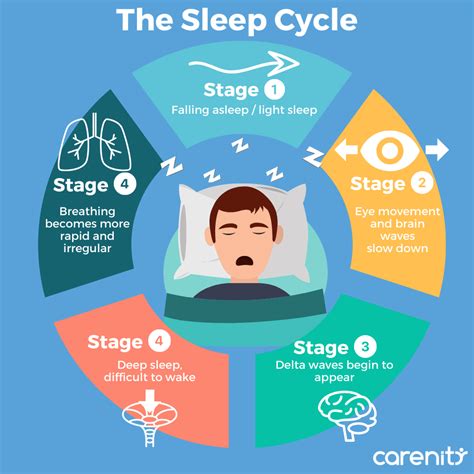
Sleep is when your body repairs and regenerates, including hormone production. Chronic sleep deprivation can significantly lower testosterone levels.
- Aim for 7-9 Hours: Most men need 7-9 hours of quality, uninterrupted sleep per night.
- Establish a Routine: Go to bed and wake up at consistent times, even on weekends, to regulate your circadian rhythm.
- Optimize Your Sleep Environment: Ensure your bedroom is dark, quiet, and cool. Avoid screens before bed.
Managing Stress Effectively
Chronic stress leads to elevated cortisol levels, which can directly suppress testosterone production. Finding healthy ways to manage stress is crucial.
- Mindfulness and Meditation: Practices like meditation, deep breathing exercises, and yoga can significantly reduce stress.
- Hobbies and Relaxation: Engage in activities you enjoy to unwind and de-stress.
- Time Management: Organize your tasks to reduce feelings of being overwhelmed.
Consider Natural Supplements (with Caution)
While diet, exercise, sleep, and stress management are foundational, certain natural supplements may offer additional support. Always consult a healthcare professional before starting any new supplement regimen.
- Vitamin D: Often called the ‘sunshine vitamin,’ Vitamin D deficiency is common and linked to lower testosterone. Supplementation can be beneficial, especially for those with limited sun exposure.
- Zinc: An essential mineral for testosterone production, zinc deficiency can impair hormone synthesis. Good sources include red meat, shellfish, nuts, and seeds.
- Magnesium: Important for hundreds of bodily functions, including testosterone regulation. Found in leafy greens, nuts, seeds, and whole grains.
- Fenugreek: Some studies suggest fenugreek extracts can support healthy testosterone levels and libido.
- Ashwagandha: An adaptogenic herb that may help reduce stress and improve testosterone levels in some men.
Lifestyle Habits for Lasting Vitality
Beyond the core strategies, a few other lifestyle choices can influence your hormonal health.
- Limit Alcohol: Excessive alcohol consumption can negatively impact testosterone production. Moderate intake is key.
- Avoid Endocrine Disruptors: Be mindful of chemicals in plastics (BPA, phthalates), pesticides, and cosmetics that can mimic or block hormones.
- Maintain a Healthy Weight: Obesity is strongly linked to lower testosterone. Losing excess body fat, especially around the midsection, can significantly improve hormone balance.

Conclusion
Boosting testosterone naturally is not about a quick fix but rather a commitment to a holistic lifestyle. By consistently focusing on a nutrient-rich diet, smart exercise routines, sufficient sleep, effective stress management, and potentially targeted natural supplements, men can empower their bodies to optimize testosterone production, leading to enhanced energy, mood, strength, and overall peak vitality. Always remember to consult with a healthcare provider to understand your individual needs and ensure these strategies are appropriate for you.