




What natural methods effectively optimize testosterone for peak male performance?

Testosterone, often hailed as the cornerstone of male vitality, plays a pivotal role far beyond just muscle mass and sex drive. Optimal levels are crucial for energy, mood, cognitive function, bone density, and overall peak male performance. While synthetic interventions exist, many men seek natural, sustainable methods to boost their testosterone. This article delves into evidence-based strategies to naturally optimize your testosterone for a vibrant, high-performing life.
The Foundational Role of Diet and Nutrition
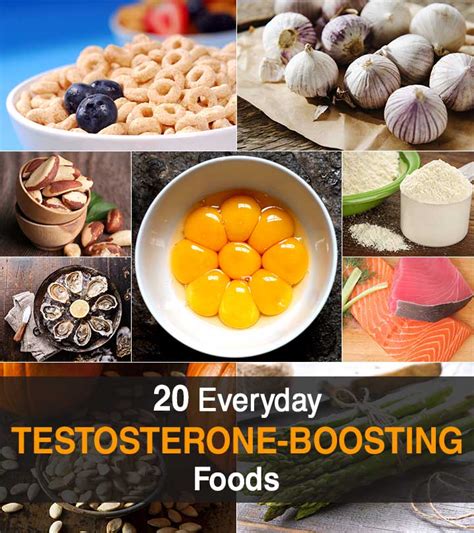
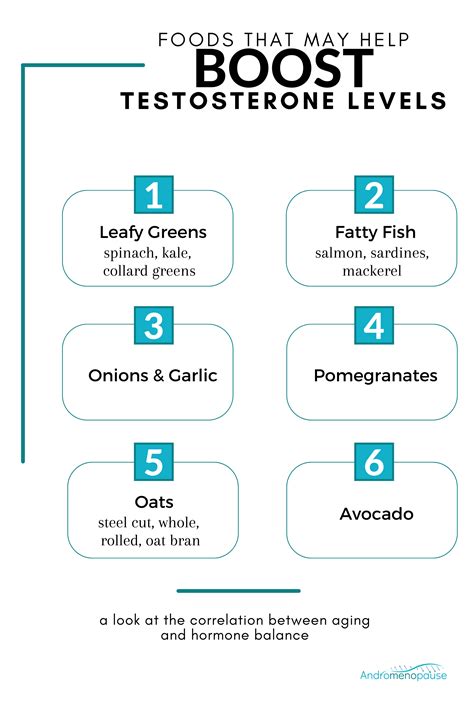
What you eat directly impacts your hormonal balance. Certain foods and nutrients are critical for testosterone production. Incorporate healthy fats from sources like avocados, nuts, seeds, and olive oil, as cholesterol is a precursor to testosterone. Zinc, found in oysters, red meat, and pumpkin seeds, is essential, with deficiencies linked to lower T-levels. Magnesium, abundant in leafy greens, nuts, and dark chocolate, also plays a crucial role. Furthermore, Vitamin D, often considered a hormone itself, is strongly correlated with testosterone levels; fatty fish, fortified foods, and sunlight exposure are key sources.
Reducing processed foods, excessive sugars, and trans fats is equally important, as these can contribute to inflammation and insulin resistance, both of which negatively impact hormone production. Focus on whole, unprocessed foods, lean proteins, and a wide array of colorful vegetables.
Strategic Exercise for Hormonal Health
Physical activity, particularly specific types, is a powerful natural testosterone booster. Resistance training, such as weightlifting or bodyweight exercises, has been shown to significantly increase testosterone, especially when focusing on compound movements that engage large muscle groups (squats, deadlifts, bench press). Aim for consistency and progressive overload.

High-Intensity Interval Training (HIIT) is another effective method. Short bursts of intense exercise followed by brief recovery periods can stimulate testosterone production more effectively than prolonged moderate-intensity cardio, which can sometimes even lower testosterone if overdone. While cardiovascular health is important, balance is key to avoid overtraining, which can lead to increased cortisol and decreased testosterone.
Prioritizing Quality Sleep for Hormone Regulation
Sleep is not merely rest; it’s a vital period for bodily repair and hormone synthesis. Studies consistently show a strong link between insufficient or poor-quality sleep and reduced testosterone levels. Testosterone production peaks during deep sleep cycles. Aim for 7-9 hours of quality sleep per night. Establish a consistent sleep schedule, optimize your bedroom environment (dark, cool, quiet), and avoid screens before bed to promote melatonin production.

Chronic sleep deprivation can significantly elevate cortisol, the stress hormone, which has an inverse relationship with testosterone. Prioritizing sleep is one of the most accessible and impactful ways to support your natural hormone production.
Mastering Stress and Cortisol Management
In today’s fast-paced world, chronic stress is rampant, and its impact on testosterone cannot be overstated. When the body perceives stress, it releases cortisol. Persistently high cortisol levels signal the body to divert resources away from non-essential functions, like testosterone production, to deal with the perceived threat. This competitive relationship means that as cortisol rises, testosterone often falls.

Implementing stress-reduction techniques is crucial. This could include mindfulness meditation, deep breathing exercises, yoga, spending time in nature, engaging in hobbies, or simply dedicating time for relaxation. Finding healthy outlets for stress can dramatically improve your hormonal profile.
Other Lifestyle Factors and Considerations
Beyond the core pillars, several other lifestyle elements contribute to optimal testosterone. Exposure to natural sunlight helps the body produce Vitamin D, as mentioned earlier. Maintaining a healthy body fat percentage is also important, as excessive body fat (especially visceral fat) can increase estrogen conversion, further lowering free testosterone. Limiting alcohol intake, avoiding endocrine-disrupting chemicals found in plastics (BPA) and some personal care products, and ensuring adequate hydration are all supportive measures.

While some supplements like Ashwagandha, Fenugreek, and D-Aspartic Acid are marketed for testosterone support, it’s always best to consult with a healthcare professional before adding them to your regimen. A holistic approach focusing on diet, exercise, sleep, and stress management forms the most robust foundation for natural testosterone optimization.
Conclusion
Optimizing testosterone naturally is not about quick fixes but adopting a sustainable, healthy lifestyle. By systematically addressing diet, exercise, sleep, and stress, men can significantly enhance their natural testosterone production, leading to improved energy, mood, physical performance, and overall well-being. Embrace these science-backed strategies to unlock your peak male vitality and sustain it for the long term.