




What lifestyle habits naturally boost T-levels for peak performance?

Testosterone, often associated with masculinity, plays a crucial role in both men and women’s health, influencing everything from muscle mass and bone density to mood, energy levels, and cognitive function. While synthetic options exist, many individuals seek natural ways to optimize their T-levels for sustained peak performance. The good news is that several evidence-backed lifestyle habits can significantly contribute to a healthy hormonal profile.
Embrace Strength Training and High-Intensity Exercise
Regular physical activity is perhaps one of the most potent natural testosterone boosters. Specifically, resistance training, involving compound movements like squats, deadlifts, bench presses, and rows, has been shown to acutely and chronically elevate testosterone levels. These exercises engage large muscle groups, signaling to the body a greater need for hormonal support.
Complementing strength training with high-intensity interval training (HIIT) can further amplify the effect. Short bursts of intense exercise followed by brief recovery periods are incredibly effective at stimulating hormone production. Aim for 3-5 sessions per week, combining both resistance training and HIIT, allowing for adequate recovery in between.

Optimize Your Nutrition for Hormonal Balance
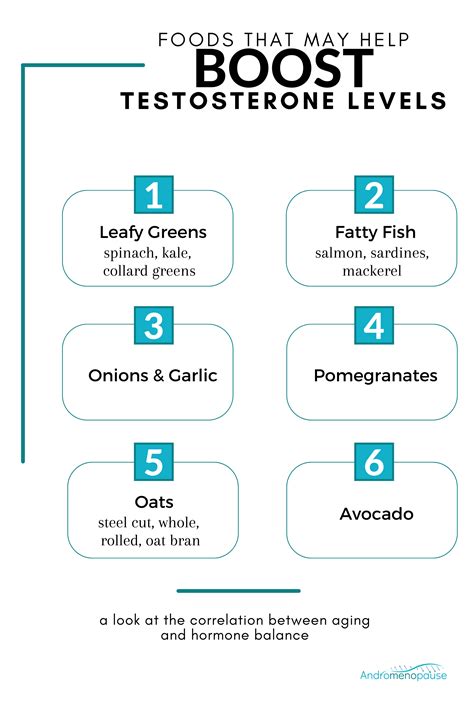
Your diet is a foundational pillar for hormone health. Consuming a balanced diet rich in whole, unprocessed foods is key. Focus on:
- Healthy Fats: Essential for hormone production, include sources like avocados, nuts, seeds, olive oil, and fatty fish (salmon, mackerel). Aim for a significant portion of your daily calories from healthy fats.
- Adequate Protein: Crucial for muscle repair and growth, protein also plays an indirect role in hormone synthesis. Lean meats, poultry, eggs, dairy, and plant-based proteins should be staples.
- Complex Carbohydrates: Provide energy for workouts and overall bodily functions without spiking blood sugar excessively. Whole grains, fruits, and vegetables are excellent choices.
- Micronutrients: Zinc and Vitamin D are particularly vital for testosterone synthesis. Good sources of zinc include oysters, red meat, and pumpkin seeds, while sunlight exposure and fortified foods are excellent for Vitamin D.
Conversely, limiting refined sugars, processed foods, and excessive alcohol intake is paramount, as these can negatively impact hormonal balance and contribute to weight gain, which is detrimental to T-levels.

Prioritize Quality Sleep
Sleep is not merely a period of rest; it’s when your body performs crucial reparative and regenerative processes, including hormone production. Chronic sleep deprivation can significantly reduce testosterone levels. Studies have shown that even a week of restricted sleep (less than 5 hours per night) can lower T-levels by as much as 10-15%.
Aim for 7-9 hours of high-quality sleep per night. Establish a consistent sleep schedule, create a cool and dark sleep environment, avoid screens before bedtime, and limit caffeine and heavy meals late in the evening to improve sleep hygiene.

Manage Stress Effectively
In today’s fast-paced world, chronic stress is a common adversary to hormonal health. When you’re stressed, your body releases cortisol, the primary stress hormone. High and prolonged levels of cortisol have a direct inverse relationship with testosterone; elevated cortisol can suppress testosterone production.
Incorporate stress-reducing practices into your daily routine. This could include meditation, yoga, deep breathing exercises, spending time in nature, engaging in hobbies, or practicing mindfulness. Finding healthy outlets for stress can help keep cortisol in check and support optimal T-levels.

Consider Other Lifestyle Tweaks

- Maintain a Healthy Weight: Excess body fat, particularly visceral fat, can increase the conversion of testosterone to estrogen, thereby lowering free testosterone levels. Weight loss, if overweight, can significantly improve T-levels.
- Limit Alcohol Consumption: While moderate intake might not have a drastic impact, excessive and chronic alcohol use can disrupt hormone pathways and lead to reduced testosterone.
- Get Adequate Sun Exposure: Beyond Vitamin D, natural sunlight exposure can positively influence mood and hormone regulation.
- Reduce Exposure to Endocrine Disruptors: Certain chemicals found in plastics (BPA), pesticides, and personal care products can mimic hormones and disrupt endocrine function. Opt for natural alternatives where possible.
Boosting testosterone naturally is a holistic endeavor that requires consistency and patience. By integrating these science-backed lifestyle habits into your daily routine—from intelligent exercise and balanced nutrition to prioritizing sleep and managing stress—you can significantly improve your hormonal health, leading to enhanced energy, vitality, and overall peak performance. Always consult with a healthcare professional before making significant lifestyle changes, especially if you suspect a hormonal imbalance.