




What lifestyle changes naturally optimize male hormone health & vitality?

Optimizing male hormone health, particularly maintaining healthy testosterone levels, is crucial for overall vitality, energy, mood, muscle mass, and libido. While there are medical interventions, many powerful improvements can be made through simple, natural lifestyle changes. Embracing a holistic approach addresses the root causes of hormonal imbalances, leading to sustainable well-being and peak performance.
Nourish Your Hormones: The Power of Diet
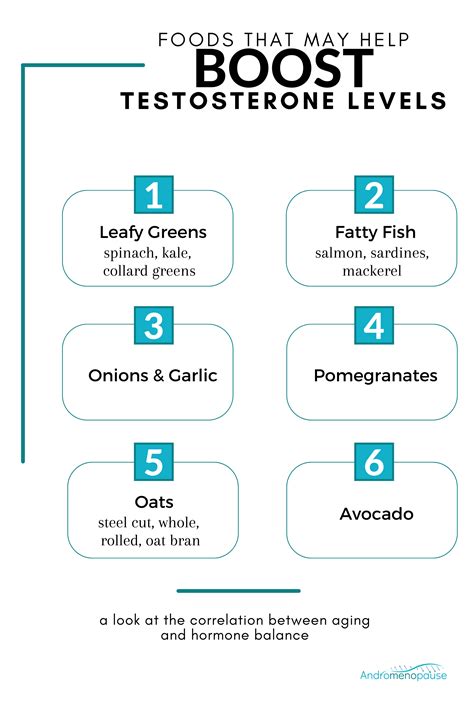
Your diet is the cornerstone of hormonal health. Focus on whole, unprocessed foods. Prioritize healthy fats (avocados, nuts, seeds, olive oil) which are essential for hormone production. Include ample protein (lean meats, fish, eggs, legumes) to support muscle synthesis and satiety. Don’t shy away from complex carbohydrates (whole grains, vegetables, fruits) for sustained energy.
Crucially, minimize sugar, refined carbohydrates, and processed foods, which can lead to insulin resistance and negatively impact testosterone. Micronutrients like zinc, magnesium, and Vitamin D are also vital; incorporate foods rich in these, such as oysters, leafy greens, and fatty fish.

Move Your Body: Exercise for Hormonal Balance
Regular physical activity is a potent natural hormone optimizer. Resistance training (weightlifting) is particularly effective for boosting testosterone. Aim for 3-4 sessions per week, focusing on compound movements that engage large muscle groups. High-intensity interval training (HIIT) can also be beneficial, but avoid chronic, excessive endurance training, which can sometimes have the opposite effect.
Balance intense workouts with adequate rest and recovery. Overtraining can stress the body and elevate cortisol, which can suppress testosterone. Find a routine that challenges you without leading to burnout.
The Deep Rest: Sleep’s Critical Role
Sleep is not a luxury; it’s a non-negotiable biological necessity for hormone production. Most of your daily testosterone is produced while you sleep. Chronic sleep deprivation (less than 7-9 hours per night) can significantly lower testosterone levels and impair overall endocrine function.
Prioritize consistent sleep by creating a calming bedtime routine. Ensure your bedroom is dark, cool, and quiet. Limit screen time before bed, as blue light can interfere with melatonin production. Establishing a regular sleep schedule, even on weekends, helps regulate your body’s natural circadian rhythm.

Tame the Beast: Stress Management
Chronic stress is a silent killer of male vitality. When stressed, your body releases cortisol, the stress hormone. Elevated cortisol levels can directly suppress testosterone production. Finding effective ways to manage stress is paramount for hormonal health.
Incorporate stress-reducing activities into your daily routine: meditation, yoga, deep breathing exercises, spending time in nature, engaging in hobbies, or connecting with loved ones. Understanding your stress triggers and developing coping mechanisms can make a significant difference in your hormonal profile.
Minimize Environmental Toxins
In our modern world, we are exposed to numerous endocrine-disrupting chemicals (EDCs) found in plastics (BPA, phthalates), pesticides, and personal care products. These chemicals can mimic or interfere with natural hormones, potentially lowering testosterone and impacting reproductive health.
Opt for glass or stainless steel containers, choose organic produce when possible, and select personal care products free from parabens and phthalates. Reducing your exposure to these environmental toxins can support your body’s natural hormonal balance.
Optimize Sunlight and Vitamin D
Vitamin D is often referred to as a pro-hormone, and its deficiency is widespread. Adequate Vitamin D levels are positively correlated with healthy testosterone. Aim for regular, safe sun exposure (10-30 minutes daily, depending on skin type and location) or consider supplementation, especially if you live in a region with limited sunlight.
Maintaining a healthy body weight is also critical. Excess body fat, particularly around the abdomen, can lead to increased estrogen conversion and reduced testosterone. A combination of healthy diet and exercise helps achieve and maintain an optimal body composition.

Optimizing male hormone health and vitality is not about quick fixes but about cultivating a sustainable, healthy lifestyle. By consistently prioritizing nutrient-dense foods, regular exercise, quality sleep, effective stress management, and minimizing environmental toxins, you can naturally enhance your body’s hormonal balance and unlock your full potential for energy, strength, and overall well-being. These changes are not just about boosting a single hormone; they are about fostering holistic health that resonates throughout every aspect of your life.