




What key nutrition strategies optimize men’s testosterone & muscle mass?

Unlocking Peak Performance: Nutrition’s Role in Men’s Hormonal and Muscular Health
For men, maintaining optimal testosterone levels and building lean muscle mass are critical for overall health, vitality, and longevity. Beyond exercise, nutrition serves as a foundational pillar, directly influencing hormone production, recovery, and anabolic processes. Understanding and implementing specific dietary strategies can significantly impact these key physiological markers.
Mastering Macronutrients for Hormonal Balance and Muscle Growth
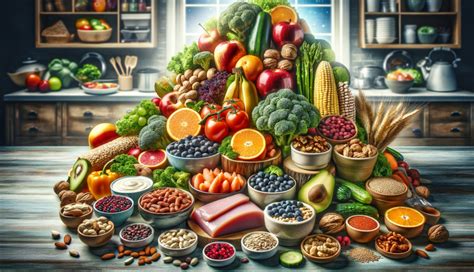
The strategic intake of protein, fats, and carbohydrates is paramount. Protein is the undisputed building block for muscle repair and growth, with recommendations often falling between 1.6 to 2.2 grams per kilogram of body weight. Prioritize sources like lean meats, poultry, fish, eggs, and plant-based options such as legumes and tofu. Adequate protein intake also supports satiety and metabolic health.
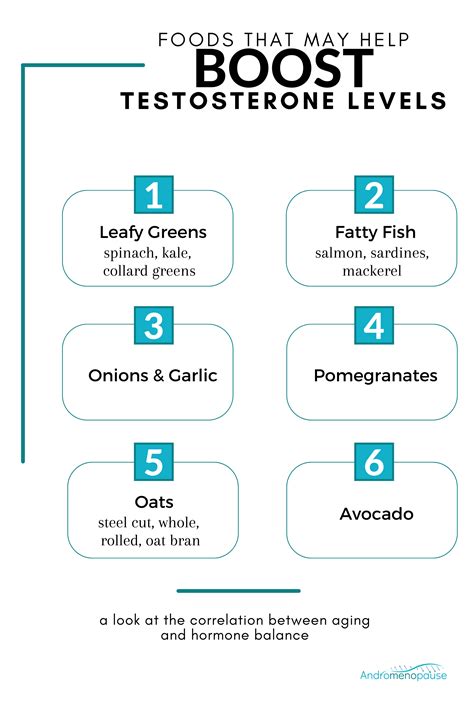
Healthy fats are crucial for testosterone synthesis, as cholesterol acts as a precursor to steroid hormones. Aim for 20-30% of your daily calories from healthy fat sources like avocados, nuts, seeds, olive oil, and fatty fish (salmon, mackerel). These provide essential fatty acids and support overall hormonal health. Conversely, diets too low in fat can negatively impact testosterone production.
Complex carbohydrates provide the necessary energy for intense workouts, muscle recovery, and glycogen replenishment. Whole grains, fruits, and vegetables are excellent sources, offering sustained energy without sharp insulin spikes. While often demonized, sufficient carbohydrate intake is vital for preventing muscle breakdown and supporting high-intensity training, especially for those looking to maximize muscle mass.
Key Micronutrients: The Unsung Heroes
While macronutrients lay the foundation, specific micronutrients act as crucial cofactors in testosterone production and muscle function.
Vitamin D
Often referred to as the “sunshine vitamin,” Vitamin D plays a significant role in testosterone regulation. Many men are deficient, especially during winter months or with limited sun exposure. Dietary sources include fatty fish, fortified dairy, and supplements. Regular sun exposure is also a powerful stimulant for its endogenous production.
Zinc
This essential mineral is directly involved in over 300 enzymatic reactions, including those responsible for testosterone synthesis. Oysters, red meat, poultry, beans, and nuts are rich sources. Zinc deficiency can lead to reduced testosterone levels and impaired immune function.
Magnesium
Magnesium is vital for muscle function, energy production, and sleep quality, all of which indirectly support healthy testosterone levels. Leafy green vegetables, nuts, seeds, and whole grains are excellent sources.
B Vitamins
The B vitamin complex, particularly B6, B9 (folate), and B12, is essential for energy metabolism and red blood cell formation, contributing to overall vitality and workout performance.

Strategic Food Choices and Meal Timing
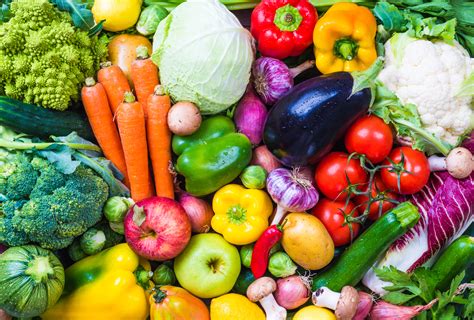
Incorporating a variety of nutrient-dense foods is more effective than focusing on isolated nutrients. Prioritize a diverse intake of colorful fruits and vegetables for antioxidants, lean proteins for muscle repair, and healthy fats for hormone support. Limiting processed foods, excessive sugars, and unhealthy trans fats is equally important, as these can contribute to inflammation and negatively impact metabolic and hormonal health.
While strict meal timing isn’t always necessary, ensuring consistent nutrient intake throughout the day can support continuous muscle protein synthesis and energy levels. Consuming protein before and after workouts is particularly beneficial for recovery and growth.

Hydration and Lifestyle Factors
Often overlooked, adequate hydration is fundamental for all bodily functions, including nutrient transport, metabolic processes, and overall athletic performance. Aim for at least 2-3 liters of water daily, adjusting for activity levels and climate. Furthermore, optimizing sleep, managing stress, and regular resistance training complement these nutritional strategies, creating a synergistic effect for maximizing testosterone and muscle mass.

Conclusion: A Holistic Nutritional Approach
Optimizing men’s testosterone and muscle mass through nutrition is not about quick fixes but adopting a comprehensive, consistent strategy. By focusing on a balanced intake of macronutrients, prioritizing key micronutrients, making smart food choices, and supporting these efforts with proper hydration and a healthy lifestyle, men can significantly enhance their hormonal health, build and maintain lean muscle, and improve overall well-being. This integrated approach paves the way for sustained vitality and peak physical performance.