




What key lifestyle shifts naturally optimize male testosterone for peak vitality?

Understanding Testosterone’s Vital Role
Testosterone, often hailed as the cornerstone of male health, is far more than just a sex hormone. It plays a critical role in muscle mass, bone density, red blood cell production, fat distribution, energy levels, mood regulation, and cognitive function. As men age, testosterone levels naturally decline, a process that can be exacerbated by modern lifestyles, leading to symptoms like fatigue, decreased libido, reduced muscle mass, and even mood disturbances. The good news is that many key lifestyle shifts can naturally optimize testosterone levels, fostering peak vitality at any age.
Nutrition: Fueling Optimal Hormone Production
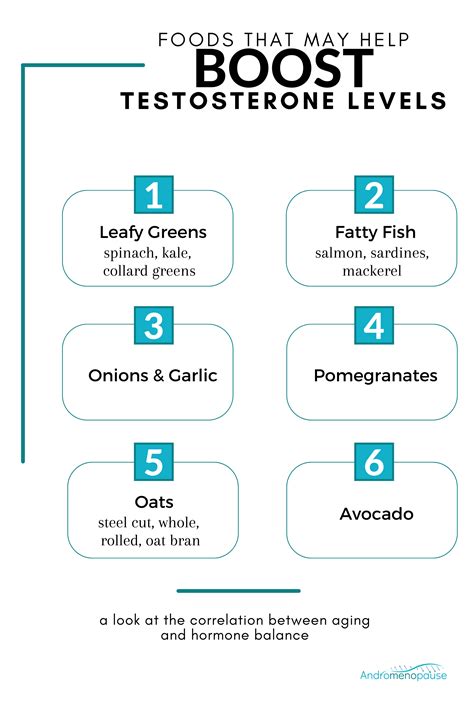
Your diet is a powerful lever for hormone regulation. To support healthy testosterone levels, prioritize nutrient-dense whole foods. Adequate intake of healthy fats, such as monounsaturated and polyunsaturated fats found in avocados, nuts, seeds, and olive oil, is crucial for hormone synthesis. Protein is essential for muscle building and repair, indirectly supporting testosterone by enhancing metabolism and body composition. Focus on lean proteins like chicken, fish, eggs, and legumes.
Crucial micronutrients include zinc (found in oysters, red meat, and pumpkin seeds), magnesium (leafy greens, nuts, dark chocolate), and Vitamin D (fatty fish, fortified foods, sunlight). Conversely, minimize processed foods, excessive sugar, and refined carbohydrates, which can lead to insulin resistance and inflammation, both detrimental to testosterone production. Moderating alcohol intake is also advised, as heavy consumption can directly impair testicular function.

Exercise: The Testosterone Booster
Physical activity, particularly specific types of exercise, is a potent natural testosterone optimizer. Strength training, focusing on compound movements like squats, deadlifts, bench presses, and rows, stimulates a significant testosterone release. Aim for 3-4 sessions per week, lifting heavy weights with proper form.
High-Intensity Interval Training (HIIT) has also been shown to boost testosterone levels effectively. Short bursts of intense exercise followed by brief recovery periods can be highly beneficial. However, avoid excessive chronic cardio, as prolonged endurance exercise can sometimes lead to an increase in cortisol, a stress hormone that can suppress testosterone.

Sleep: The Unsung Hero of Hormone Health
Quality sleep is fundamental for testosterone production. The majority of your daily testosterone is produced during deep sleep phases. Consistently getting less than 7-9 hours of quality sleep can significantly lower your testosterone levels. Sleep deprivation elevates cortisol, further hindering testosterone synthesis.
Prioritize sleep hygiene: establish a consistent sleep schedule, create a dark and cool bedroom environment, avoid screens before bed, and limit caffeine and heavy meals in the evening.
Stress Management: Taming the Cortisol Beast
Chronic stress is one of the biggest enemies of testosterone. When you’re stressed, your body releases cortisol. High cortisol levels have a direct antagonistic relationship with testosterone, often suppressing its production. Implementing effective stress management techniques is vital for maintaining hormonal balance.
Practices such as meditation, mindfulness, deep breathing exercises, yoga, spending time in nature, and engaging in hobbies you enjoy can significantly reduce stress and lower cortisol levels, thereby creating a more favorable environment for testosterone production.

Sunlight and Vitamin D: More Than Just Bones
Vitamin D is often referred to as a pro-hormone, and its deficiency is widespread. Research indicates a strong correlation between adequate Vitamin D levels and higher testosterone. Regular, sensible sun exposure (without burning) is the most natural way to boost Vitamin D. If sun exposure is limited, consider supplementation after consulting with a healthcare professional.
Weight Management: A Crucial Link
Excess body fat, particularly visceral fat around the abdomen, is strongly linked to lower testosterone levels. Adipose tissue contains an enzyme called aromatase, which converts testosterone into estrogen. By maintaining a healthy body weight and reducing body fat percentage, you can significantly improve your testosterone-to-estrogen ratio and optimize overall hormonal health.

Minimize Endocrine Disruptors
In our modern environment, we are exposed to numerous chemicals that can mimic or interfere with hormones, known as endocrine disruptors. These can be found in plastics (BPA), personal care products (phthalates, parabens), and pesticides. While complete avoidance is challenging, minimizing exposure by choosing natural products, storing food in glass containers, and filtering your water can contribute to better hormonal health.
Conclusion: A Holistic Approach to Peak Vitality
Optimizing male testosterone for peak vitality is not about a single magic bullet but rather a synergistic combination of sustainable lifestyle changes. By consciously focusing on a nutrient-rich diet, effective exercise, sufficient sleep, robust stress management, and minimizing environmental toxins, men can naturally elevate their testosterone levels. This holistic approach fosters not just hormonal balance but also leads to increased energy, improved mood, enhanced physical performance, and an overall sense of well-being, paving the way for a more vibrant and vital life.