




What key habit naturally boosts men’s T-levels for peak vitality?

The Quest for Peak Male Vitality
For many men, maintaining robust energy, mental clarity, and a strong physique throughout life is a priority. Central to these markers of peak vitality is testosterone (T), the primary male sex hormone. While T-levels naturally decline with age, modern lifestyles—characterized by stress, poor diet, and sedentary habits—can accelerate this reduction, leading to a host of unwelcome symptoms like fatigue, decreased libido, reduced muscle mass, and even mood disturbances. The good news? There’s a powerful, natural, and accessible habit that stands out above the rest for its ability to significantly boost T-levels.

Unveiling the Master Habit: Strength Training
While diet, sleep, and stress management all play crucial roles in hormonal health, the single most impactful habit for naturally elevating men’s testosterone is consistent, progressive strength training. More than just building visible muscle, resistance exercise triggers a complex cascade of physiological responses that are directly conducive to optimal T production and utilization.
The Science Behind the Boost
- Direct Hormonal Response: Intense resistance exercise, particularly compound movements involving multiple large muscle groups (like squats, deadlifts, and bench presses), directly stimulates the release of testosterone and growth hormone during and after a workout. This acute response, when repeated consistently, contributes to higher baseline levels over time.
- Increased Muscle Mass: Muscle tissue is metabolically active and serves as a major site for testosterone receptors. The more muscle mass a man carries, the greater his body’s capacity to produce and utilize testosterone efficiently. Strength training is the most effective way to build and maintain this crucial muscle mass.
- Reduced Body Fat: Excess body fat, particularly visceral fat around the abdomen, contains an enzyme called aromatase, which converts testosterone into estrogen. By reducing body fat through strength training (which burns calories and builds metabolism-boosting muscle), men can minimize this conversion, thereby preserving more free testosterone.
- Improved Insulin Sensitivity: Resistance training enhances insulin sensitivity, meaning the body’s cells respond better to insulin. Poor insulin sensitivity is often linked to lower testosterone levels and can contribute to hormonal imbalances.

Beyond Testosterone: A Cascade of Benefits
The advantages of strength training extend far beyond just boosting T-levels. This habit offers a holistic upgrade to men’s health and vitality:
- Enhanced Energy & Mood: Higher T-levels and regular exercise combat fatigue, improve sleep quality, and positively impact mood, reducing symptoms of depression and anxiety.
- Improved Body Composition: Less fat, more muscle means a stronger, leaner, and more aesthetic physique.
- Stronger Bones & Joints: Resistance training places stress on bones, prompting them to become denser and stronger, reducing the risk of osteoporosis. It also strengthens the connective tissues around joints, improving stability and reducing injury risk.
- Better Cardiovascular Health: Strength training contributes to lower blood pressure, improved cholesterol profiles, and better glucose regulation, all vital for heart health.
- Increased Confidence & Libido: The physical and mental benefits combine to boost self-esteem and positively influence sexual health.
Practical Steps to Integrate Strength Training
To reap the full testosterone-boosting benefits, focus on these principles:
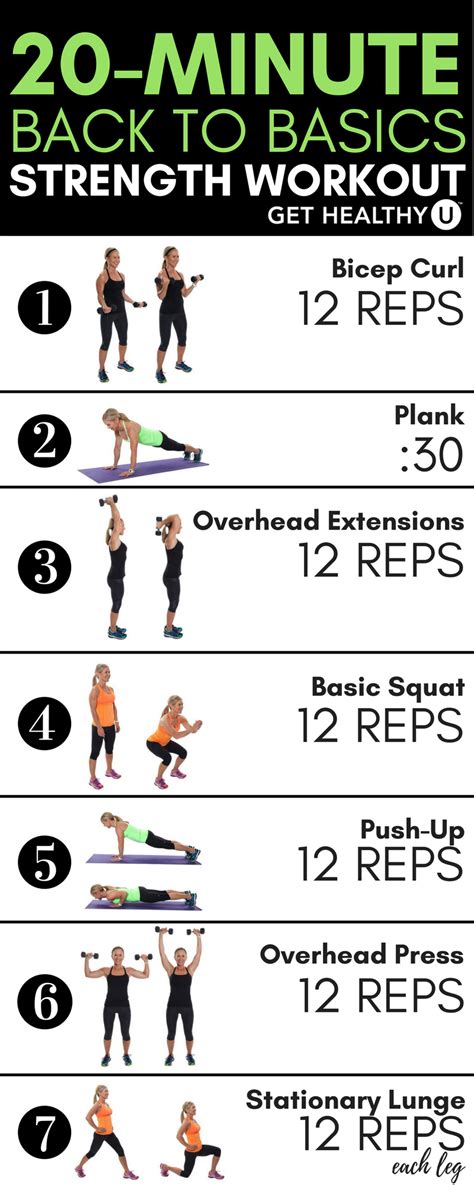
- Frequency: Aim for 2-4 strength training sessions per week, allowing for adequate rest and recovery between sessions.
- Focus on Compound Movements: Prioritize exercises that work multiple muscle groups simultaneously, such as squats, deadlifts, overhead presses, bench presses, rows, and pull-ups.
- Progressive Overload: To keep stimulating muscle growth and hormonal response, you must continually challenge your muscles. This means gradually increasing the weight, repetitions, or sets over time.
- Proper Form: Always prioritize correct form over lifting heavy weight to prevent injury and ensure muscles are effectively targeted.
- Adequate Rest: Muscles grow and repair during rest. Ensure sufficient sleep and recovery days.
The Synergistic Lifestyle: Amplifying Your Efforts
While strength training is paramount, its effects are amplified when combined with other healthy lifestyle choices:
- Quality Sleep: Aim for 7-9 hours of restorative sleep per night, as most T production occurs during deep sleep.
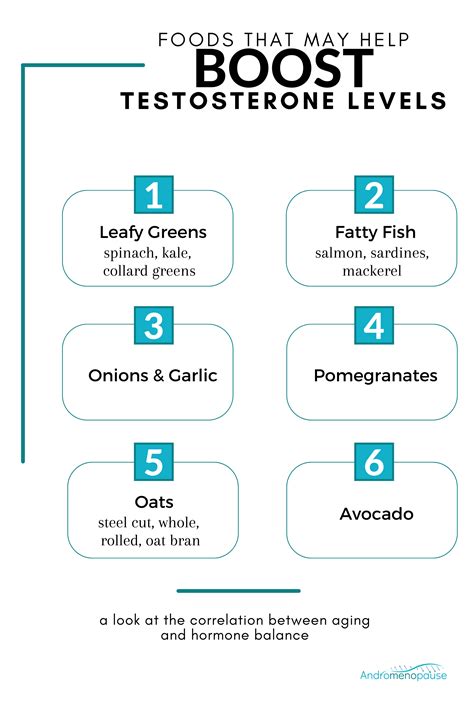
- Nutrient-Dense Diet: Consume adequate protein, healthy fats (crucial for hormone synthesis), and complex carbohydrates. Limit processed foods, excessive sugar, and alcohol.
- Stress Management: Chronic stress elevates cortisol, which can suppress testosterone production. Incorporate stress-reducing activities like meditation, yoga, or spending time in nature.

Commit to Your Hormonal Health
Embracing strength training as a cornerstone habit is one of the most powerful investments a man can make in his long-term health and vitality. It’s not just about bigger muscles; it’s about optimizing your internal chemistry to feel more energetic, resilient, and alive. Start small, be consistent, and watch as this single key habit unlocks a cascade of benefits, naturally boosting your T-levels and propelling you towards peak vitality.