




What gear actually optimizes sleep quality for peak morning energy & focus?

The Crucial Link Between Gear, Sleep, and Daily Performance
In our demanding modern world, a good night’s sleep isn’t just a luxury; it’s the foundational pillar for peak cognitive function, sustained energy, and overall well-being. Many factors influence sleep quality, from evening routines to dietary choices, but the physical environment of your bedroom and the gear you use play a surprisingly critical role. Investing in the right tools can transform restless nights into restorative deep sleep, directly impacting your morning energy and focus.
This article delves into the specific gear that truly makes a difference, moving beyond mere aesthetics to provide tangible benefits for your sleep architecture.

Establishing Your Sleep Sanctuary: Core Components
The Foundation: Mattress and Pillow
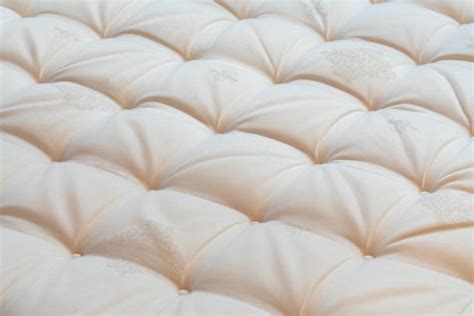
Your mattress and pillow are arguably the most critical pieces of sleep gear. A mattress that provides proper spinal alignment and pressure relief is non-negotiable. Whether you prefer memory foam, innerspring, latex, or a hybrid, the key is finding one that supports your body type and sleep position. An old, sagging mattress can lead to aches, pains, and frequent awakenings, sabotaging restorative sleep.
Similarly, your pillow should support your head and neck in a neutral position, preventing strain. Side sleepers typically need a thicker pillow, while back sleepers might opt for medium loft, and stomach sleepers often benefit from a very thin or no pillow at all. Materials like memory foam, down, latex, or specialized cooling gels each offer distinct advantages.
The Comfort Layer: Sheets and Bedding
The right bedding contributes significantly to temperature regulation and comfort. Opt for breathable, natural fibers like cotton, linen, or bamboo for sheets. These materials wick away moisture and allow for better airflow, preventing you from overheating. Thread count, while often marketed as a primary indicator of quality, is less important than the fiber type and weave.
Weighted blankets have gained popularity for their ability to provide a gentle, even pressure that can promote feelings of calm and reduce anxiety, potentially aiding in faster sleep onset and deeper sleep for some individuals.
Controlling Your Environment: Light, Sound, and Temperature
Blocking Out Disturbances: Light and Sound
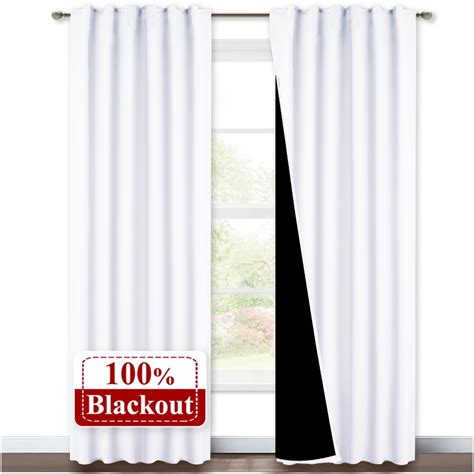
Our circadian rhythm is heavily influenced by light. Even minimal light exposure can disrupt melatonin production, making it harder to fall asleep and stay asleep. High-quality blackout curtains are essential for creating a dark sleep environment, especially if you live in an urban area or have streetlights outside your window. For those who travel or need complete darkness, a comfortable, light-blocking eye mask can be a game-changer.
Sound can be equally disruptive. Earplugs can block unwanted noises, from street traffic to a snoring partner. Alternatively, a white noise machine or a fan can create a consistent, soothing ambient sound that masks sudden disturbances, helping your brain stay in a deeper sleep state.
The Ideal Climate: Temperature Regulation
The optimal sleep temperature for most adults is between 60-67°F (15-19°C). Your body naturally cools down before and during sleep, and a cooler environment facilitates this process. Smart thermostats can be programmed to lower the temperature around bedtime. For those who struggle with overheating, specialized cooling pillows, mattress pads, or even bed cooling systems can actively regulate your immediate sleeping surface temperature, preventing night sweats and uncomfortable awakenings.
Smart Solutions for Enhanced Sleep
Monitoring and Optimizing: Sleep Trackers and Smart Lighting
While not strictly ‘gear’ in the traditional sense, wearable sleep trackers (like smartwatches or rings) can provide valuable insights into your sleep patterns, including sleep stages, heart rate variability, and awakenings. This data can help you identify areas for improvement and gauge the effectiveness of other sleep gear investments.
Smart lighting systems that mimic natural light cycles can also be beneficial. Gradually dimming lights in the evening can signal to your body that it’s time to wind down, while a gentle, gradual brightening in the morning can provide a more natural and less jarring wake-up experience than a sudden alarm.
Atmospheric Enhancements: Aromatherapy
An aromatherapy diffuser, when used with calming essential oils like lavender, chamomile, or bergamot, can create a relaxing atmosphere conducive to sleep. While not a primary driver of sleep quality, it can be a pleasant addition to a comprehensive sleep routine, helping to signal to your brain that it’s time to unwind and prepare for rest.

Conclusion: Investing in Rest, Reaping Rewards
Optimizing your sleep quality for peak morning energy and focus isn’t about buying every gadget on the market. It’s about strategically choosing gear that addresses your specific needs and environmental challenges. From the fundamental support of a good mattress and pillow to the environmental control of blackout curtains and temperature systems, each piece of gear plays a role in constructing your ideal sleep sanctuary.
By consciously curating your sleep environment with the right tools, you’re not just buying products; you’re investing in better health, enhanced cognitive function, and a more energetic, focused start to every single day.