




What foods naturally boost testosterone for peak male performance?
Testosterone, the primary male sex hormone, plays a pivotal role in more than just libido. It influences muscle mass, bone density, fat distribution, red blood cell production, and mood. Maintaining optimal testosterone levels is crucial for overall male health and peak performance. While various factors impact hormone balance, diet stands out as a fundamental and natural way to support healthy testosterone production.
The Importance of Balanced Testosterone
Low testosterone can lead to a range of undesirable symptoms, including decreased energy, reduced muscle mass, increased body fat, lower libido, mood swings, and even cognitive issues. Conversely, healthy testosterone levels contribute to vitality, strength, mental clarity, and a robust sex drive. Fortunately, nature provides an abundance of foods rich in specific nutrients known to support the body’s natural hormone synthesis processes.

Key Nutrients for Testosterone Production
Several vitamins and minerals are directly involved in testosterone synthesis and regulation:
- Zinc: Essential for testosterone production and preventing its conversion to estrogen.
- Vitamin D: Functions as a steroid hormone in the body, directly linked to testosterone levels.
- Magnesium: Can increase free and total testosterone levels by reducing oxidative stress.
- Healthy Fats: Crucial for hormone production; cholesterol is a precursor to testosterone.
- Antioxidants: Protect cells, including Leydig cells in the testes, from damage, supporting healthy hormone function.
Top Foods That Naturally Boost Testosterone
1. Fatty Fish (Salmon, Tuna, Mackerel)
These oceanic powerhouses are rich in Omega-3 fatty acids, which are vital for overall cellular health and can reduce inflammation that might hinder hormone production. More importantly, fatty fish are among the best natural sources of Vitamin D, a nutrient strongly correlated with testosterone levels. Aim for two to three servings per week.
2. Oysters and Shellfish
Often touted as aphrodisiacs, oysters live up to their reputation by being an incredibly rich source of zinc. Just a few oysters can provide well over the daily recommended intake for zinc, a mineral critical for testosterone synthesis. Other shellfish like crab and lobster also contain significant amounts of zinc.
3. Leafy Green Vegetables (Spinach, Kale, Swiss Chard)
Dark leafy greens are packed with magnesium, a mineral shown to increase both total and free testosterone levels. They also provide a wealth of antioxidants and other micronutrients that support overall endocrine health and reduce inflammation.
4. Eggs
Often called nature’s multivitamin, whole eggs contain healthy fats, protein, and selenium. The yolks, in particular, are a good source of Vitamin D and cholesterol, which serves as a building block for steroid hormones, including testosterone. Don’t fear the yolk – it’s where much of the nutrition lies.
5. Avocados
This creamy fruit is an excellent source of monounsaturated fats, which are crucial for hormone production. Avocados also provide Vitamin B6, which helps regulate hormonal function, and Vitamin E, an antioxidant that supports cellular health.
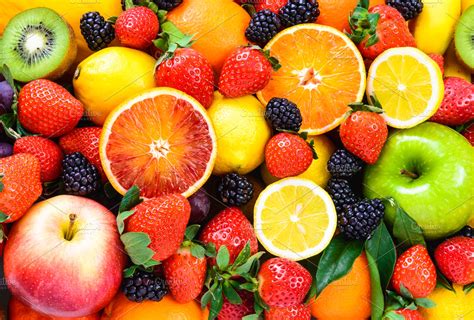
6. Berries (Blueberries, Raspberries, Strawberries)
Loaded with antioxidants, berries combat oxidative stress in the body. Reducing oxidative stress is important for protecting the Leydig cells in the testes, which are responsible for testosterone production. They also help improve overall metabolic health.
7. Ginger
Studies suggest that ginger root may play a role in improving testosterone levels and male fertility. It’s thought to work by reducing oxidative stress and improving antioxidant status, as well as influencing certain enzymes involved in testosterone production.
8. Pomegranates
This ancient fruit has been associated with fertility and sexual function for centuries. Pomegranates are rich in antioxidants that support heart health and can reduce cortisol (stress hormone) levels, indirectly benefiting testosterone. Some research indicates it may also directly increase testosterone.
Foods to Limit for Optimal Testosterone
Just as some foods boost testosterone, others can hinder it. Limiting processed foods, excessive sugar, unhealthy trans fats, and excessive alcohol consumption is vital for maintaining a healthy hormonal balance. These items can contribute to inflammation, weight gain, and insulin resistance, all of which negatively impact testosterone levels.
Beyond Diet: A Holistic Approach
While diet is a powerful tool, it’s part of a larger picture. For peak male performance and optimal testosterone, combine your nutritional efforts with a healthy lifestyle:
- Regular Exercise: Especially strength training and high-intensity interval training (HIIT).
- Sufficient Sleep: Aim for 7-9 hours of quality sleep per night.
- Stress Management: Chronic stress elevates cortisol, which can suppress testosterone.
- Maintain a Healthy Weight: Excess body fat, particularly around the abdomen, can convert testosterone into estrogen.
Conclusion
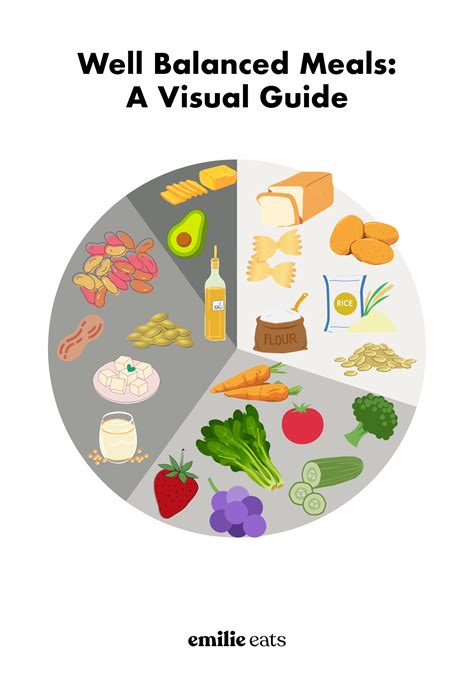
Harnessing the power of nutrition is a natural and effective strategy to support healthy testosterone levels. By consciously incorporating zinc-rich foods, Vitamin D sources, healthy fats, and antioxidant-packed fruits and vegetables into your daily diet, you can lay a strong foundation for hormonal balance. This dietary approach, combined with a healthy lifestyle, empowers men to naturally optimize their testosterone, leading to enhanced energy, vitality, and overall peak performance.