





What exact daily macro split fuels optimal male performance, recovery & fat loss?

For men striving for peak physical performance, efficient recovery from intense workouts, and effective fat loss, a strategic approach to daily macronutrient intake is not just beneficial—it’s foundational. While generic advice abounds, truly optimizing your body’s potential requires understanding the specific roles of protein, carbohydrates, and fats, and how to balance them for your unique goals.
Understanding the Macro Trio: Protein, Carbs, and Fats
Before diving into percentages, it’s crucial to grasp what each macronutrient does:
- Protein: The building block of muscle, critical for repair, growth, and countless bodily functions. Essential for satiety and maintaining lean mass during a caloric deficit.
- Carbohydrates: Your body’s primary energy source. Fuels high-intensity workouts, brain function, and helps replenish glycogen stores for recovery.
- Fats: Vital for hormone production (including testosterone), nutrient absorption, cell membrane integrity, and long-term energy. Contributes to satiety and overall health.
The Optimal Macro Split for Men: A Starting Point
While individual needs vary based on activity level, metabolism, and specific goals, a highly effective starting point for men aiming for optimal performance, recovery, and fat loss generally falls within these ranges:
- Protein: 30-40% of total daily calories
- Carbohydrates: 30-40% of total daily calories
- Healthy Fats: 20-30% of total daily calories
This split prioritizes protein to support muscle maintenance and growth even during fat loss, provides sufficient carbohydrates to fuel demanding workouts and aid recovery, and includes enough healthy fats to support hormonal health and satiety.

Deep Dive: Protein for Performance & Repair
For men actively training, a protein intake of 1.6 to 2.2 grams per kilogram (or 0.7 to 1.0 gram per pound) of body weight is ideal. When in a caloric deficit for fat loss, aiming for the higher end of this range can be particularly beneficial to prevent muscle loss. Prioritize lean sources like chicken breast, turkey, lean beef, fish, eggs, dairy, and plant-based proteins such as lentils, beans, and tofu.
Carbohydrates: Fueling Energy and Recovery
Carbohydrates are your performance fuel. For active men, a 30-40% allocation means focusing on complex carbohydrates such as whole grains (oats, brown rice, quinoa), sweet potatoes, fruits, and vegetables. These provide sustained energy and fiber. Timing your carbohydrate intake, especially around workouts, can significantly impact performance and recovery. Consume complex carbs before training and a mix of simple and complex carbs post-workout to replenish glycogen stores quickly.
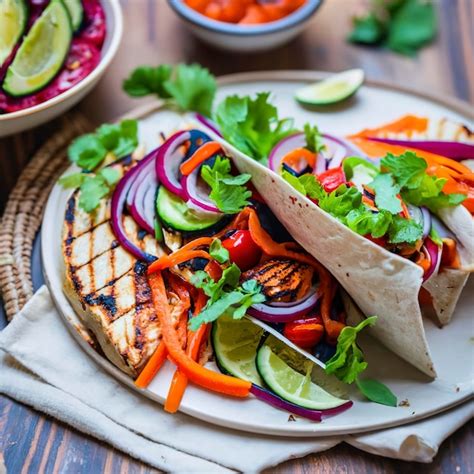
Healthy Fats: Hormones, Health, and Satiety
Don’t fear fat; embrace healthy fats! Aim for 20-30% of your daily calories from sources like avocados, nuts, seeds, olive oil, fatty fish (salmon, mackerel), and whole eggs. These fats are crucial for testosterone production, brain health, reducing inflammation, and keeping you feeling full, which is invaluable during a fat loss phase.
Adjusting for Fat Loss: The Caloric Deficit
Fat loss ultimately comes down to consuming fewer calories than you burn. Within your chosen macro split, you’ll need to create a sustainable caloric deficit. Maintaining a high protein intake (35-40%) is paramount here to preserve muscle mass while shedding fat. Carbohydrates might be slightly reduced on rest days, and fats should remain adequate for hormonal health, never dropping too low (below 15-20%).

Individualization is Key: Listen to Your Body
These percentages are guidelines. Your body’s response will dictate the exact sweet spot. Consider factors like:
- Activity Level: More intense and frequent training may require higher carbohydrate intake.
- Body Type: Ectomorphs (naturally lean) may tolerate more carbs, while endomorphs (prone to gaining fat) might do better with slightly fewer carbs and more fats/protein.
- Personal Preference: Adherence is critical. Find a split that is sustainable and enjoyable.
- Tracking and Adjusting: Monitor your progress (performance, recovery, body composition, energy levels) and adjust your macros by 5-10% every few weeks until you find what works best.

Practical Application: Building Your Daily Plate
Translating percentages into meals means:
- Every meal: Include a lean protein source.
- Most meals: Incorporate healthy fats (e.g., a thumb-sized portion of nuts or avocado).
- Around workouts: Prioritize complex carbohydrates.
- Fill up on: Non-starchy vegetables for fiber and micronutrients without excess calories.
Meal prep can be a powerful tool to ensure consistent macro intake throughout the week.

Conclusion
Achieving optimal male performance, recovery, and fat loss isn’t about guesswork; it’s about strategic nutrition. By starting with a macro split of roughly 30-40% protein, 30-40% carbohydrates, and 20-30% healthy fats, and then diligently listening to your body and making necessary adjustments, you can unlock your full potential and sculpt the physique and performance you desire. Remember, consistency in both training and nutrition is the ultimate key to success.