

What essential recovery gear optimizes men’s athletic peak performance?

The Unsung Hero: Why Recovery Fuels Athletic Greatness
For male athletes striving for peak performance, the pursuit often focuses on intense training, rigorous workouts, and pushing physical limits. However, true athletic excellence isn’t just about how hard you train, but how effectively you recover. Optimal recovery is the unsung hero that allows muscles to repair, inflammation to subside, and the body to adapt and grow stronger, ultimately preventing injuries and unlocking consistent peak performance. Integrating the right recovery gear into a routine can make all the difference in an athlete’s longevity and success.
Targeted Recovery: Must-Have Gear Categories
1. Compression Wear: Enhancing Circulation and Reducing Swelling
Compression garments, including socks, sleeves, and full tights, are a cornerstone of modern athletic recovery. They work by applying graduated pressure to the limbs, which helps to improve blood flow back to the heart. This enhanced circulation aids in flushing out metabolic waste products like lactic acid and delivers oxygen and nutrients to fatigued muscles more efficiently. For athletes, this translates to reduced muscle soreness (DOMS), decreased swelling, and a faster feeling of readiness for the next training session.
Key Items: Compression socks, compression shorts/tights, compression arm sleeves.
2. Percussive Therapy and Massage Tools: Deep Tissue Relief
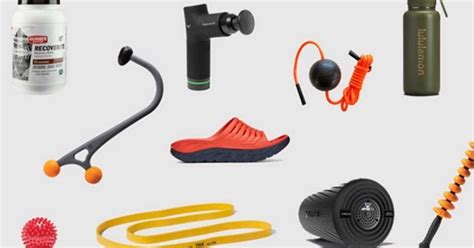
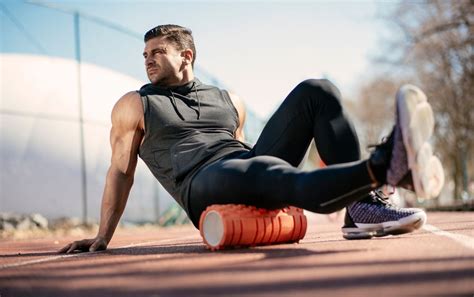
Gone are the days when a simple foam roller was the only self-massage tool. While foam rollers remain excellent for general myofascial release, percussive therapy devices (massage guns) have revolutionized deep tissue work. These tools deliver rapid bursts of pressure into muscle tissue, increasing blood flow, breaking up adhesions, and releasing knots more effectively and with less effort than manual massage or traditional rolling. They are invaluable for targeting specific tight spots and speeding up muscle recovery.
Key Items: High-quality foam roller, massage gun, lacrosse ball for trigger point release.
3. Cold and Heat Therapy: Inflammation Control and Muscle Relaxation
The age-old remedies of ice and heat continue to be highly effective for athletic recovery. Ice packs or ice baths are crucial immediately post-workout to reduce inflammation, numb pain, and constrict blood vessels, minimizing swelling. Heat therapy, on the other hand, is best utilized for relaxation, improving blood flow, and easing stiff muscles before or long after the acute inflammatory phase. Combining both strategically can provide comprehensive relief.
Key Items: Reusable ice packs, portable cold therapy systems, heating pads, access to cold plunges or ice baths.
4. Pneumatic Compression Boots: Advanced Lymphatic Drainage
For serious athletes, pneumatic compression boots represent a significant upgrade in recovery technology. Devices like Normatec or Hyperice boots use sequential, dynamic compression to massage the limbs, mimicking the natural muscle pump of the body. This process significantly enhances lymphatic drainage, reduces fluid retention, flushes out metabolic byproducts, and can dramatically decrease recovery time, leaving legs feeling lighter and less fatigued. While an investment, many professional and amateur athletes swear by their efficacy.
Key Items: Recovery boots (e.g., Normatec, Hyperice).
5. Mobility and Stretching Aids: Flexibility and Injury Prevention
While not strictly ‘recovery’ in the same vein as muscle repair, maintaining excellent mobility and flexibility is critical for preventing injuries and ensuring muscles can function through their full range of motion. Tools that assist in stretching and joint mobilization can complement recovery by ensuring tissues remain pliable and less prone to strain or tear.
Key Items: Resistance bands, stretching straps, yoga mats.
6. Sleep Optimization Tools: The Ultimate Recovery
Perhaps the most overlooked, yet critical, aspect of recovery is sleep. During deep sleep, the body undergoes its most significant repair and regeneration processes. While not gear in the traditional sense, tools that promote better sleep indirectly become essential recovery gear. This includes items that block disruptive light, monitor sleep patterns, or create a more conducive sleep environment.
Key Items: Blue light blocking glasses, sleep trackers, blackout curtains, white noise machines.

Integrating Recovery Gear into Your Routine
Simply owning recovery gear isn’t enough; consistent and strategic use is key. Develop a personalized recovery routine that aligns with your training schedule and specific athletic demands. Post-workout, focus on immediate inflammation reduction and nutrient delivery. On rest days, prioritize deeper tissue work, mobility, and ensuring optimal sleep. Listen to your body and adjust your recovery strategies as needed. Investing in quality recovery gear is an investment in your athletic future, allowing you to train harder, perform better, and stay in the game longer.
Conclusion: Elevate Your Performance Through Smart Recovery
For male athletes serious about optimizing their peak performance, recovery is not an afterthought—it’s an integral part of the training cycle. By equipping yourself with essential recovery gear, from advanced compression and percussive therapy to fundamental cold/heat solutions and sleep aids, you create an environment where your body can repair, adapt, and return stronger. Embrace these tools, prioritize your recovery, and unlock your full athletic potential.