




What diet principles naturally optimize testosterone for peak strength & vitality?
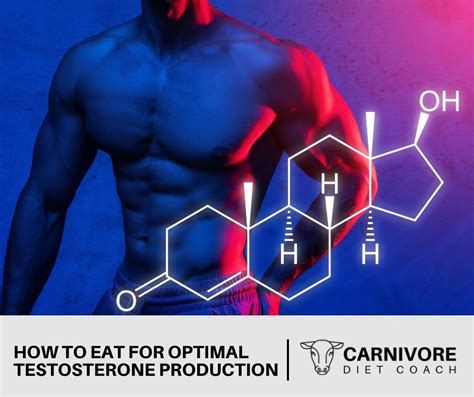
Testosterone, often hailed as the cornerstone of male vitality, plays a pivotal role in more than just muscle growth and libido. Optimal levels contribute significantly to energy, mood, cognitive function, and bone density. While various factors influence hormone balance, diet stands as one of the most powerful and accessible levers you can pull to naturally optimize your testosterone for peak strength and overall well-being.
The Foundational Pillars of Testosterone-Optimizing Nutrition
Achieving hormonal balance isn’t about magical supplements but a holistic approach to your plate. Here are the core dietary principles:
1. Embrace Healthy Fats: The Hormone Building Blocks
Contrary to outdated advice, dietary fat is not the enemy. In fact, cholesterol, derived from fats, is a precursor to testosterone. Prioritizing healthy fats is crucial. Focus on monounsaturated and polyunsaturated fats, alongside a moderate intake of saturated fats from quality sources.
2. Prioritize High-Quality Protein for Muscle and Repair
Adequate protein intake is essential for muscle synthesis and recovery, both of which are intrinsically linked to testosterone health. Protein also helps maintain stable blood sugar levels, preventing insulin spikes that can negatively impact testosterone production. Aim for a diverse range of protein sources.
3. Don’t Fear Carbohydrates – Choose Them Wisely
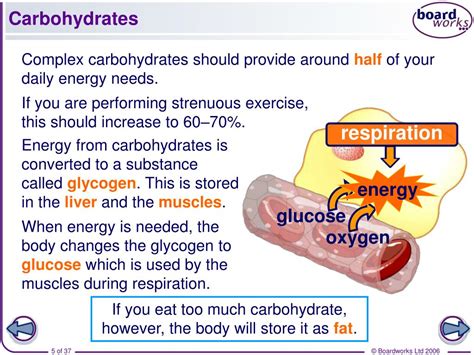
While low-carb diets have their place, chronically restrictive carbohydrate intake can increase cortisol (the stress hormone), which can suppress testosterone. Complex carbohydrates provide sustained energy for workouts and daily function, helping to keep cortisol in check and supporting overall hormonal equilibrium.
4. Micronutrient Powerhouses: Zinc, Vitamin D, and Magnesium
These three micronutrients are often highlighted for their direct roles in testosterone synthesis and regulation:
- Zinc: Vital for testosterone production and protecting against oxidative stress.
- Vitamin D: Functions as a steroid hormone and is directly correlated with testosterone levels.
- Magnesium: Plays a role in over 300 enzymatic reactions, including those involved in testosterone synthesis, and can increase free and total testosterone.
5. Hydration is Key for Cellular Function
Often overlooked, sufficient water intake supports every bodily function, including hormone transport and cellular health. Dehydration can stress the body, potentially impacting hormone balance.
Foods to Integrate for Optimal Testosterone
Translating principles into practice means filling your plate with specific nutrient-dense foods:
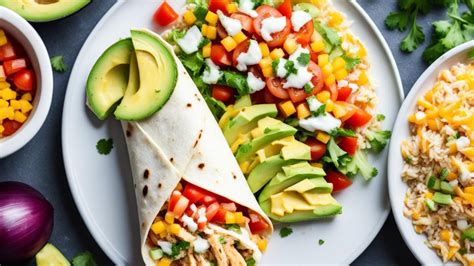
- Healthy Fats: Avocados, olive oil, fatty fish (salmon, mackerel), nuts (almonds, walnuts), seeds (chia, flax, pumpkin), and egg yolks.
- Quality Protein: Lean red meat, poultry, fish, eggs, dairy products (Greek yogurt, cottage cheese), and legumes.
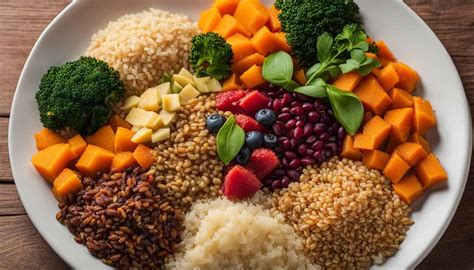
- Complex Carbohydrates: Whole grains (oats, quinoa, brown rice), root vegetables (sweet potatoes), and a wide array of fruits and vegetables.
- Micronutrient Boosters: Oysters (packed with zinc), leafy greens (spinach, kale for magnesium), fortified dairy or sun exposure (for Vitamin D), and organ meats.

Foods to Limit or Avoid
Just as important as what you eat is what you don’t. Minimizing intake of:
- Processed Foods: Often high in unhealthy fats, sugar, and sodium, contributing to inflammation and poor metabolic health.
- Excessive Sugar: Can lead to insulin resistance and weight gain, both detrimental to testosterone levels.
- Alcohol: Excessive consumption can directly impair testosterone production and increase estrogen.
- Soy Products (in excess): Some studies suggest very high intake might have estrogenic effects, though moderate consumption is generally fine.

Beyond the Plate: A Holistic View
While diet is paramount, remember that it’s part of a larger lifestyle picture. Adequate sleep (7-9 hours), regular strength training, and effective stress management are all synergistic with your dietary efforts to naturally optimize testosterone. Consistent adherence to these principles will yield the best, long-term results.
Conclusion
Optimizing testosterone naturally through diet is an achievable goal that can significantly impact your strength, energy, and overall quality of life. By focusing on healthy fats, quality protein, balanced complex carbohydrates, and essential micronutrients, while limiting processed foods and sugars, you can create a powerful nutritional foundation for peak vitality. Make informed choices and observe the profound positive changes in your body and mind.