




What diet optimizes male hormones for peak performance?

The Dietary Blueprint for Male Hormones and Peak Performance
For men seeking to achieve peak physical and mental performance, the role of diet in hormone regulation cannot be overstated. Hormones, particularly testosterone, play a crucial part in energy levels, muscle mass, mood, libido, and overall vitality. While many factors influence hormonal health, nutrition stands as a foundational pillar, offering a powerful lever to optimize these critical biochemical messengers.
This article will delve into the specific dietary strategies and food choices that can help foster optimal male hormone levels, ensuring you perform at your best.
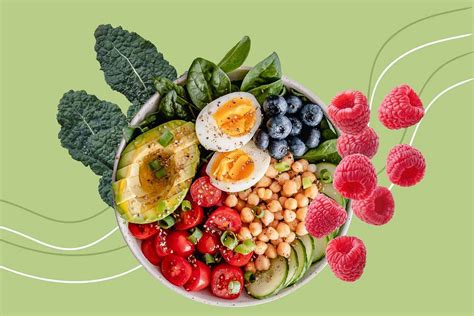
The Essential Macronutrient Trio
1. Healthy Fats: The Hormone Builders
Contrary to outdated advice, healthy fats are not the enemy; they are vital for hormone production. Cholesterol, derived from dietary fats, is the precursor to steroid hormones like testosterone. Therefore, sufficient intake of the right types of fats is non-negotiable.
- Monounsaturated Fats (MUFAs): Found in avocados, olive oil, and nuts. These fats support heart health and have been linked to healthy testosterone levels.
- Omega-3 Fatty Acids: Abundant in fatty fish (salmon, mackerel, sardines), flaxseeds, and walnuts. Omega-3s reduce inflammation, which can otherwise negatively impact hormone production, and support overall cellular health.
- Saturated Fats: While moderation is key, some saturated fat from quality sources (e.g., grass-fed beef, eggs) can be beneficial for testosterone synthesis. Avoid processed, unhealthy saturated fats.
2. Lean Proteins: The Building Blocks
Adequate protein intake is essential for muscle maintenance and growth, satiety, and the synthesis of various enzymes and hormones. Aim for high-quality, complete proteins at each meal.
- Sources: Lean meats (chicken, turkey, grass-fed beef), fish, eggs, dairy, legumes, and plant-based protein sources like quinoa and tempeh.
- Benefit: Protein helps maintain a healthy body composition, which is indirectly linked to better hormonal balance, as excess body fat (especially visceral fat) can convert testosterone to estrogen.
3. Complex Carbohydrates: Sustained Energy
Carbohydrates provide the energy necessary for high-intensity performance and can influence cortisol (stress hormone) levels. Opt for complex carbohydrates that offer sustained energy release without drastic blood sugar spikes.
- Sources: Whole grains (oats, brown rice, quinoa), root vegetables (sweet potatoes, yams), fruits, and legumes.
- Benefit: Stable blood sugar levels help prevent insulin resistance, which can negatively impact testosterone.
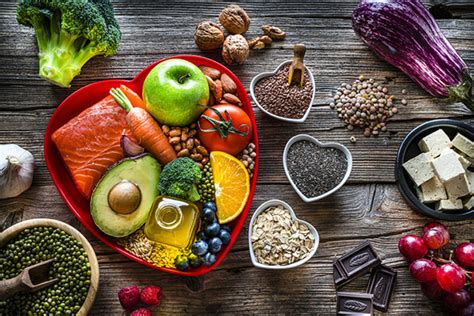
Micronutrients: The Unsung Heroes of Hormone Health
Beyond macronutrients, several vitamins and minerals play critical roles in the intricate processes of hormone synthesis and regulation.
- Vitamin D: Often called the ‘sunshine vitamin,’ Vitamin D is actually a pro-hormone itself. Studies show a strong correlation between sufficient Vitamin D levels and higher testosterone. Good sources include fatty fish, fortified dairy, and sunlight exposure.
- Zinc: Crucial for testosterone production and immune function. Zinc deficiency is directly linked to lower testosterone. Red meat, oysters, pumpkin seeds, and legumes are excellent sources.
- Magnesium: Supports muscle and nerve function, blood sugar control, and blood pressure regulation. It also plays a role in binding and freeing up testosterone. Found in leafy green vegetables, nuts, seeds, and whole grains.
- B Vitamins: Essential for energy metabolism, stress reduction, and various neurological functions, all of which indirectly support hormonal balance. Lean meats, eggs, and whole grains are rich in B vitamins.
- Boron: A trace mineral that may influence hormone metabolism, potentially increasing free testosterone and reducing estrogen levels. Apples, pears, grapes, and nuts contain boron.
Foods to Embrace for Optimal Male Hormones
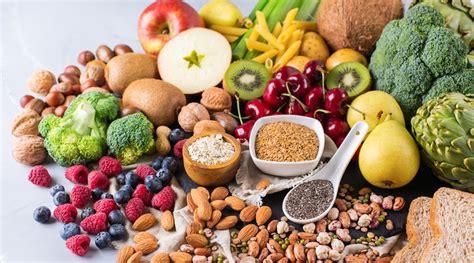
- Fatty Fish: Salmon, mackerel, sardines (Omega-3s, Vitamin D).
- Leafy Greens: Spinach, kale, Swiss chard (Magnesium, B vitamins).
- Cruciferous Vegetables: Broccoli, cauliflower, Brussels sprouts (Contain indole-3-carbinol, which helps metabolize estrogen).
- Nuts and Seeds: Almonds, walnuts, pumpkin seeds, flaxseeds (Healthy fats, Zinc, Magnesium, Omega-3s).
- Avocados: (Healthy fats, Vitamin E).
- Red Meat (lean, grass-fed): (Protein, Zinc, Iron).
- Eggs: (Protein, Vitamin D, Cholesterol for hormone synthesis).
- Berries: Blueberries, raspberries (Antioxidants, fiber).
Foods to Limit or Avoid
Just as important as what you eat is what you limit or avoid. Certain foods can disrupt hormonal balance and detract from peak performance.
- Processed Foods and Sugary Drinks: High in refined sugars and unhealthy fats, they can lead to inflammation, insulin resistance, and weight gain, all detrimental to hormone health.
- Excessive Alcohol: Can directly impair testosterone production and increase estrogen levels.
- Trans Fats and Hydrogenated Oils: Found in many fried foods and baked goods, these fats are harmful to cardiovascular health and can negatively impact hormone function.
- Soy Products (in excess): While fermented soy can be beneficial, excessive consumption of unfermented soy products may have estrogenic effects in some individuals, potentially lowering testosterone.
Beyond Diet: Lifestyle Synergies
While diet is paramount, it functions best when supported by other healthy lifestyle choices. Regular exercise (especially strength training), adequate sleep (7-9 hours), and effective stress management techniques are critical for maintaining optimal hormone levels and overall peak performance. Hydration is also key; aim for plenty of water throughout the day.
Conclusion
Optimizing male hormones for peak performance is an achievable goal through a conscious and strategic dietary approach. By prioritizing healthy fats, lean proteins, complex carbohydrates, and essential micronutrients, while limiting processed foods and unhealthy substances, men can significantly enhance their hormonal balance. This, in turn, translates to improved energy, muscle mass, mood, and overall vitality, paving the way for sustained peak performance in all aspects of life. Remember, consistency and a holistic approach are key to long-term success.