




What diet hacks optimize sustained energy and focus for peak daily performance?

Fueling Your Brain and Body for Optimal Performance
In today’s fast-paced world, maintaining sustained energy and sharp focus is crucial for achieving peak daily performance. While sleep and exercise play vital roles, the food we consume is perhaps the most immediate and controllable factor in our cognitive and physical output. It’s not just about avoiding energy crashes; it’s about strategically nourishing your body to thrive from morning till night. Let’s explore the powerful dietary hacks that can unlock your potential.
The Foundation: Macronutrient Balance
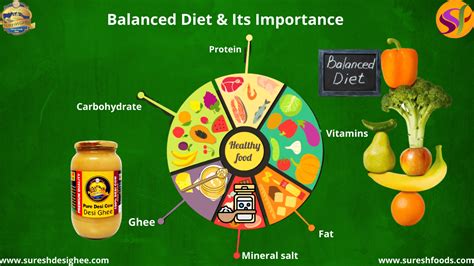
Your body’s primary energy sources come from macronutrients: carbohydrates, proteins, and fats. The key to sustained energy isn’t to eliminate any of these but to choose the right types and balance them effectively.
Complex Carbohydrates for Steady Energy
Unlike simple sugars that cause a rapid spike and subsequent crash, complex carbohydrates provide a slow, steady release of glucose into the bloodstream. Opt for whole grains like oats, quinoa, brown rice, and whole-wheat bread, along with starchy vegetables such as sweet potatoes and legumes. These are rich in fiber, which further aids in stabilizing blood sugar levels and promotes gut health.
Lean Proteins for Satiety and Brain Function
Protein is essential for building and repairing tissues, but it also plays a significant role in satiety and cognitive function. Incorporating lean protein sources like chicken, turkey, fish, eggs, and plant-based options such as lentils, beans, and tofu with each meal helps slow down digestion, preventing blood sugar swings and providing amino acids vital for neurotransmitter production. This keeps you feeling full and your mind sharp.

Healthy Fats for Brain Health and Endurance
Don’t fear fats! Healthy fats are critical for brain health, hormone production, and sustained energy. Sources like avocados, nuts, seeds (chia, flax, hemp), olive oil, and fatty fish (salmon, mackerel) provide omega-3 fatty acids, which are integral to brain structure and function, improving memory and focus. They also slow glucose absorption, contributing to a more even energy curve.
Hydration: The Unsung Hero of Focus
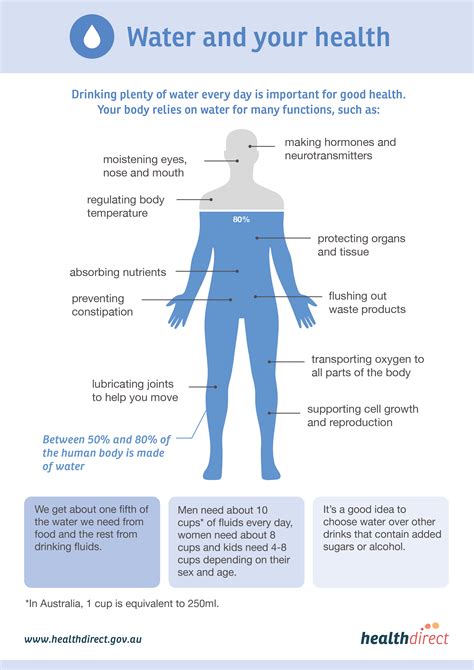
Even mild dehydration can impair cognitive function, leading to fatigue, reduced concentration, and headaches. Make water your primary beverage. Keep a water bottle handy and sip throughout the day. Herbal teas and water-rich fruits and vegetables (cucumber, celery, berries) also contribute to your daily fluid intake. Aim for at least 8 glasses a day, more if you’re active.
Strategic Snacking and Meal Timing
Eating smaller, balanced meals and snacks every 3-4 hours can help maintain stable blood sugar levels and consistent energy. Avoid long gaps between meals, which can lead to extreme hunger, overeating, and poor food choices. Smart snacks combine protein and fiber, such as Greek yogurt with berries, a handful of almonds, or apple slices with peanut butter.
Mindful Eating and Avoiding Sugar Traps
Pay attention to your body’s hunger and fullness cues. Eating mindfully can prevent overeating and improve digestion. Additionally, be vigilant about hidden sugars in processed foods and beverages. These contribute to the dreaded energy crash. Prioritize whole, unprocessed foods to naturally regulate your energy levels.
Key Micronutrients and ‘Brain Foods’
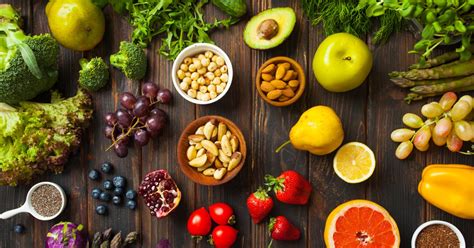
While macronutrients provide the fuel, micronutrients act as the spark plugs. Certain vitamins and minerals are particularly important for energy metabolism and cognitive function:
- B Vitamins: Found in whole grains, leafy greens, eggs, and lean meats, B vitamins are crucial for converting food into energy.
- Iron: Essential for oxygen transport, iron deficiency can lead to fatigue. Red meat, spinach, and lentils are good sources.
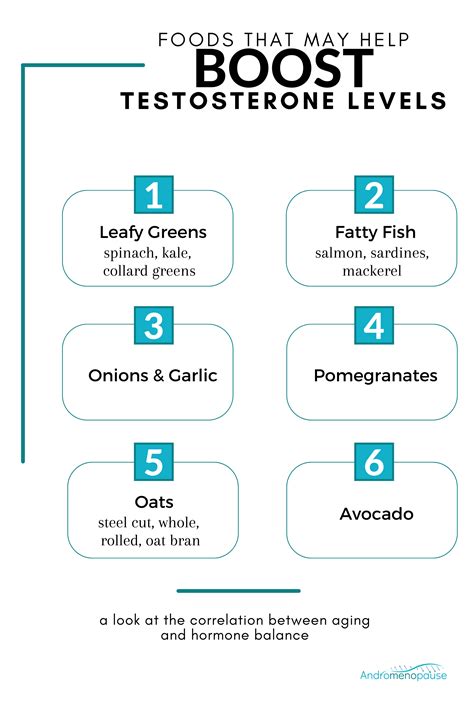
- Magnesium: Involved in over 300 biochemical reactions, magnesium supports energy production and nerve function. Nuts, seeds, dark leafy greens, and dark chocolate are rich in magnesium.
- Antioxidants: Berries, colorful vegetables, and green tea protect brain cells from damage, supporting long-term cognitive health.
- Choline: Found in egg yolks, beef liver, and soybeans, choline is a precursor to acetylcholine, a neurotransmitter important for memory and muscle control.

Integrating These Hacks into Your Daily Routine
Implementing these diet hacks doesn’t require a radical overhaul. Start with small, sustainable changes:
- Breakfast Focus: Prioritize a protein and complex carb breakfast (e.g., oatmeal with nuts and berries, eggs with whole-wheat toast).
- Lunch Power-Up: Build lunches around lean protein, plenty of vegetables, and a healthy fat source.
- Smart Snacking: Keep healthy, pre-portioned snacks accessible.
- Dinner Optimization: A balanced dinner supports overnight recovery and sets the stage for the next day.
- Hydration Habit: Make water your default drink throughout the day.

Conclusion
Optimizing your diet for sustained energy and focus is a powerful investment in your daily performance and overall well-being. By focusing on balanced macronutrients, proper hydration, nutrient-dense foods, and mindful eating habits, you can fuel your body and mind to operate at their peak. Experiment with these hacks to discover what works best for you, transforming your plate into a powerful tool for productivity and vitality.