




What daily routine optimizes male hormones for peak energy & performance?
Understanding Male Hormone Optimization for Men
For men seeking to maximize their energy, mental clarity, physical prowess, and overall vitality, optimizing hormone levels is a non-negotiable step. Hormones, particularly testosterone, play a pivotal role in everything from muscle mass and bone density to mood regulation and libido. While age naturally brings a gradual decline, lifestyle choices significantly impact these crucial chemical messengers. The good news is that a well-structured daily routine can provide the powerful leverage needed to naturally support healthy hormone production, propelling you towards peak performance.
This article will delve into actionable strategies across various facets of daily life, offering a comprehensive guide to building a routine that serves as a foundation for hormonal health. By focusing on fundamental pillars – sleep, nutrition, exercise, and stress management – you can create an environment where your body thrives, naturally enhancing its capacity for energy and performance.

The Foundation: Prioritizing Quality Sleep
Sleep is arguably the most underrated yet critical component of male hormone optimization. Your body orchestrates the majority of its hormone production and repair processes during deep sleep cycles. Chronic sleep deprivation, even just a few hours consistently, has been shown to significantly lower testosterone levels and impair growth hormone release, directly impacting energy, recovery, and cognitive function.
Strategies for Optimal Sleep:
- Consistent Sleep Schedule: Go to bed and wake up at roughly the same time every day, including weekends, to regulate your circadian rhythm.
- Create a Pre-Sleep Routine: Wind down with activities like reading, meditation, or a warm bath. Avoid screens (phones, tablets, TVs) at least an hour before bed.
- Optimize Your Sleep Environment: Ensure your bedroom is dark, quiet, and cool (ideally between 60-67°F or 15-19°C). Invest in blackout curtains and earplugs if necessary.
- Limit Stimulants: Reduce caffeine intake, especially in the afternoon, and avoid heavy meals or alcohol close to bedtime.

Fueling Performance: Strategic Nutrition
What you eat directly impacts your body’s ability to produce and regulate hormones. A diet rich in whole, unprocessed foods provides the essential building blocks and micronutrients necessary for robust hormonal health. Conversely, diets high in refined sugars, unhealthy fats, and processed foods can lead to inflammation and hormonal disruption.
Macronutrients for Hormonal Balance:
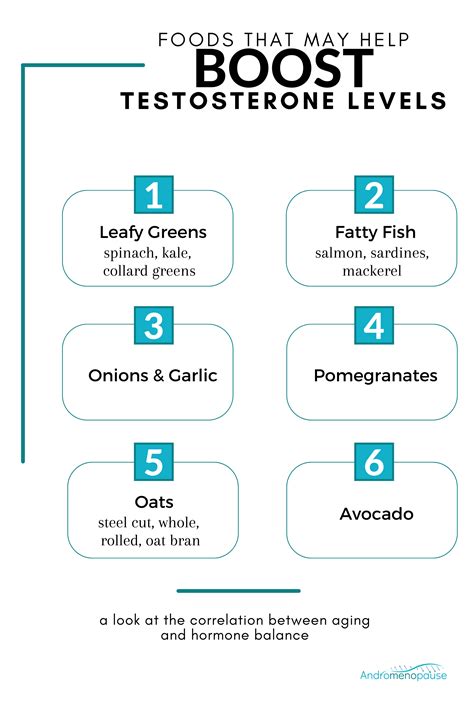
- Healthy Fats: Essential for testosterone production. Include sources like avocados, nuts, seeds, olive oil, and fatty fish (salmon, mackerel).
- Quality Protein: Provides amino acids crucial for hormone synthesis and muscle repair. Opt for lean meats, poultry, fish, eggs, and plant-based proteins.
- Complex Carbohydrates: Provide sustained energy and support thyroid function. Choose whole grains, fruits, and vegetables over refined carbs.
Micronutrients and Hydration:
- Vitamin D: Crucial for testosterone production; aim for sun exposure or supplementation.
- Zinc: Vital for numerous enzymatic processes, including testosterone synthesis. Found in oysters, red meat, and pumpkin seeds.
- Magnesium: Supports sleep quality, reduces stress, and plays a role in testosterone levels. Present in leafy greens, nuts, and dark chocolate.
- Hydration: Drink plenty of water throughout the day to support all bodily functions, including hormone transport.

Movement is Medicine: Exercise Protocols
Regular physical activity is a powerful stimulus for hormone production. However, the type and intensity of exercise matter when it comes to optimizing male hormones. While all movement is good, certain forms of exercise are more effective for boosting testosterone and growth hormone.
Strength Training for Testosterone:
Incorporate compound movements (squats, deadlifts, bench press, rows) 3-4 times a week. These exercises engage multiple muscle groups, leading to a greater hormonal response. Focus on lifting heavy weights with proper form and allowing for adequate recovery.
High-Intensity Interval Training (HIIT):
Short bursts of intense exercise followed by brief recovery periods can significantly elevate growth hormone and testosterone levels. Integrate 1-2 HIIT sessions per week, such as sprints or circuit training.
Avoid Overtraining:
While exercise is beneficial, excessive or prolonged endurance training (like marathons) without adequate recovery can increase cortisol (stress hormone) and potentially lower testosterone. Listen to your body and prioritize recovery days.

Mind and Body: Stress Management and Lifestyle
Chronic stress is a silent killer of hormonal balance. When stressed, your body releases cortisol, a hormone that, in high levels, can directly suppress testosterone production. Managing stress is therefore paramount for optimal male hormone health.
Effective Stress Reduction Techniques:
- Mindfulness and Meditation: Even 10-15 minutes daily can significantly reduce cortisol levels.
- Deep Breathing Exercises: Simple techniques can calm the nervous system instantly.
- Time in Nature: Spending time outdoors has been shown to lower stress and improve mood.
- Hobbies and Social Connection: Engage in activities you enjoy and maintain strong relationships to foster well-being.
Environmental and Lifestyle Factors:
- Sunlight Exposure: Get at least 15-30 minutes of direct sunlight daily to boost Vitamin D and regulate circadian rhythms.
- Limit Endocrine Disruptors: Reduce exposure to plastics (BPA, phthalates), pesticides, and certain chemicals found in personal care products that can interfere with hormone function.
- Alcohol Moderation: Excessive alcohol consumption can negatively impact testosterone production and liver health.

Conclusion: A Holistic Path to Peak Health
Optimizing male hormones for peak energy and performance isn’t about quick fixes or magic pills; it’s about cultivating a sustainable daily routine that nurtures your body’s natural capabilities. By consistently prioritizing quality sleep, strategic nutrition, effective exercise, and robust stress management, you create a powerful synergy that promotes hormonal balance.
Embrace these lifestyle adjustments as an investment in your long-term health and vitality. The benefits extend far beyond just hormone levels, touching every aspect of your well-being, from physical strength and mental acuity to emotional resilience. Start integrating these practices into your daily life, and you’ll be well on your way to unlocking your full potential and experiencing consistent peak energy and performance.