




What daily habits naturally boost testosterone for better drive & performance?
Understanding Testosterone and Its Importance
Testosterone, often dubbed the ‘male hormone,’ plays a pivotal role far beyond just sex drive. It’s crucial for maintaining muscle mass, bone density, red blood cell production, fat distribution, energy levels, and mood regulation. As men age, testosterone levels naturally begin to decline, but lifestyle factors can significantly accelerate or mitigate this process. The good news is that many daily habits can naturally support healthy testosterone production, leading to improved drive, performance, and overall well-being without relying on synthetic interventions.
Optimizing your testosterone through natural means is about creating a holistic environment in your body that supports hormone balance. It’s not about quick fixes, but rather consistent, sustainable changes that compound over time.
Prioritize Quality Sleep
Sleep is arguably one of the most underrated pillars of hormone health. Studies consistently show that insufficient sleep can drastically reduce testosterone levels. During deep sleep cycles, your body produces the majority of its daily testosterone. Chronic sleep deprivation, even just a few nights of inadequate rest, can lead to a significant drop in this vital hormone.
Aim for 7-9 hours of high-quality, uninterrupted sleep per night. Establish a consistent sleep schedule, even on weekends, to regulate your circadian rhythm. Create a cool, dark, and quiet bedroom environment, and try to limit screen time before bed to avoid blue light exposure, which can disrupt melatonin production.

Fuel Your Body with Optimal Nutrition
What you eat directly impacts your hormonal landscape. A diet rich in whole, unprocessed foods is fundamental for testosterone production. Focus on:
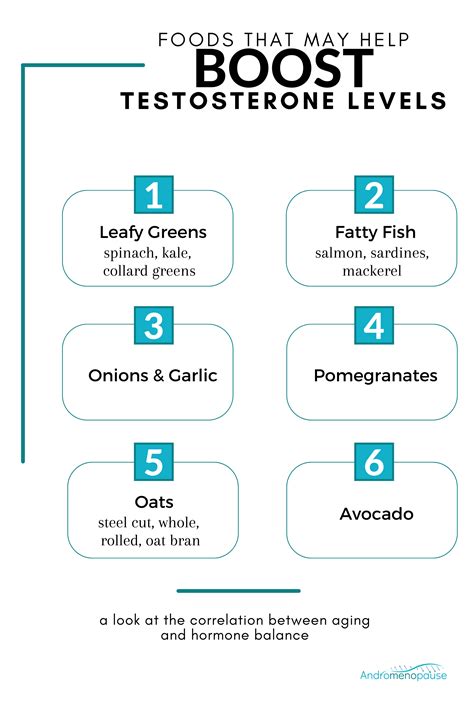
- Healthy Fats: Cholesterol is a precursor to testosterone. Incorporate sources like avocados, olive oil, nuts, seeds, and fatty fish (salmon, mackerel) into your diet.
- Lean Proteins: Essential for muscle maintenance and overall health. Include lean meats, poultry, eggs, and legumes.
- Complex Carbohydrates: Provide sustained energy and prevent cortisol spikes. Choose whole grains, fruits, and a wide variety of vegetables.
- Micronutrients: Zinc, Magnesium, and Vitamin D are particularly crucial. Zinc is found in oysters, red meat, and pumpkin seeds. Magnesium in leafy greens, nuts, and seeds. Vitamin D can be obtained from sunlight exposure and fatty fish, or through supplementation.
Avoid excessive sugar, processed foods, and unhealthy trans fats, as these can promote inflammation and negatively impact hormone balance.

Engage in Strategic Exercise
Not all exercise is created equal when it comes to boosting testosterone. While all physical activity is beneficial, certain types are more effective for hormone optimization:
- Strength Training: Lifting heavy weights, especially compound movements like squats, deadlifts, bench presses, and overhead presses, is highly effective. These exercises engage multiple large muscle groups, stimulating a significant hormonal response. Aim for 3-4 sessions per week.
- High-Intensity Interval Training (HIIT): Short bursts of intense activity followed by brief recovery periods can also boost testosterone and growth hormone. This could involve sprints, burpees, or cycling.
Avoid chronic, long-duration endurance training, as excessive cardio without adequate recovery can sometimes elevate cortisol and actually suppress testosterone levels. Balance is key.

Master Stress Management
Chronic stress is a testosterone killer. When you’re stressed, your body releases cortisol, a hormone that directly inhibits testosterone production. Both hormones are derived from the same precursor (cholesterol), so when cortisol demand is high, testosterone production often takes a backseat.
Implement daily stress-reduction techniques into your routine. This could include:
- Mindfulness meditation or deep breathing exercises.
- Yoga or Tai Chi.
- Spending time in nature.
- Engaging in hobbies or activities you enjoy.
- Ensuring adequate social connection and downtime.
Finding healthy ways to manage daily stressors is crucial for maintaining a hormonal environment conducive to high testosterone.

Embrace Sunlight and Vitamin D
Vitamin D is often referred to as a ‘sunshine vitamin,’ but it functions more like a steroid hormone in the body, playing a crucial role in testosterone synthesis. Studies have shown a direct correlation between adequate Vitamin D levels and higher testosterone.
Aim for regular, safe sun exposure (15-20 minutes daily, depending on skin type and location) to naturally boost your Vitamin D levels. If sun exposure is limited, consider a high-quality Vitamin D3 supplement, preferably taken with a meal containing fat for better absorption. Consult a healthcare professional to determine your optimal dosage.

Conclusion
Boosting testosterone naturally is an achievable goal that can significantly enhance your drive, energy, and overall performance. By consistently incorporating quality sleep, nutrient-dense foods, strategic exercise, effective stress management, and adequate Vitamin D into your daily routine, you create a powerful synergy that optimizes your body’s natural hormone production. These habits not only support healthy testosterone levels but also contribute to a foundation of robust health and vitality, allowing you to perform at your best in all aspects of life.