




What daily habits boost natural testosterone for male vitality & peak performance?
Unlocking Male Vitality: The Power of Natural Testosterone
Testosterone, often hailed as the cornerstone of male health, plays a pivotal role far beyond just muscle mass and sex drive. Optimal levels contribute significantly to energy, mood, cognitive function, bone density, and overall well-being. While many factors can influence testosterone, the good news is that a powerful arsenal of daily habits can naturally support and boost its production. Embracing these lifestyle changes is key to reclaiming vitality and achieving peak performance without relying on external interventions.

Strategic Exercise: Beyond the Gym Floor
Physical activity is a potent stimulator of testosterone. However, not all workouts are created equal for this purpose. Focus on these two types of exercise:
- Strength Training: Lifting heavy weights, particularly compound movements like squats, deadlifts, bench presses, and overhead presses, has been shown to elicit a significant acute and chronic testosterone response. Aim for 3-4 sessions per week, focusing on progressive overload.
- High-Intensity Interval Training (HIIT): Short bursts of intense exercise followed by brief recovery periods can also effectively boost testosterone. This includes sprints, burpees, or cycling intervals.
Avoid chronic, excessive endurance training, which can sometimes have the opposite effect on testosterone levels due to increased cortisol.
Nutrition as Your Foundation: Fueling Hormone Production
What you eat directly impacts your hormonal balance. A diet rich in specific macronutrients and micronutrients is crucial for testosterone synthesis:
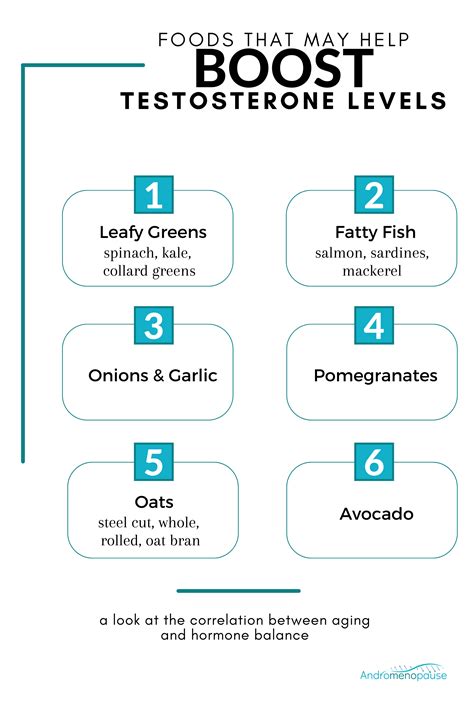
- Healthy Fats: Cholesterol is a precursor to testosterone, so don’t shy away from healthy fats found in avocados, nuts, seeds, olive oil, and fatty fish (like salmon and mackerel). Monounsaturated and saturated fats (in moderation) are important.
- Quality Protein: Adequate protein intake supports muscle repair and growth, which is indirectly linked to testosterone. Lean meats, poultry, eggs, and legumes are excellent sources.
- Crucial Micronutrients:
- Zinc: Found in oysters, red meat, poultry, beans, and nuts. Zinc deficiency is a common cause of low testosterone.
- Vitamin D: Often called the “sunshine vitamin,” Vitamin D acts like a steroid hormone in the body. Fatty fish, fortified foods, and direct sun exposure are primary sources.
- Magnesium: Green leafy vegetables, nuts, seeds, and whole grains are rich in magnesium, which plays a role in numerous enzymatic reactions, including those involved in hormone production.
- Limit Sugar & Processed Foods: High sugar intake and highly processed foods can lead to insulin resistance and inflammation, both of which negatively impact testosterone levels.

The Underrated Power of Quality Sleep
Sleep is arguably one of the most critical, yet often overlooked, factors for natural testosterone production. The majority of your daily testosterone is produced during sleep, particularly during deep REM cycles. Chronic sleep deprivation can significantly reduce testosterone levels.
- Aim for 7-9 hours: Prioritize consistent, uninterrupted sleep each night.
- Optimize your sleep environment: Keep your bedroom dark, cool, and quiet.
- Establish a routine: Go to bed and wake up around the same time each day, even on weekends.
- Limit screen time before bed: The blue light emitted from devices can disrupt melatonin production.

Stress Management: Taming the Cortisol Beast
Chronic stress elevates cortisol, the body’s primary stress hormone. High cortisol levels can directly inhibit testosterone production. Managing stress is therefore paramount for maintaining healthy testosterone.
- Mindfulness and Meditation: Regular practice can significantly reduce stress and improve hormonal balance.
- Hobbies and Relaxation: Engage in activities you enjoy, whether it’s reading, spending time in nature, or listening to music.
- Social Connection: Strong social bonds can act as a buffer against stress.

Embrace Sunlight & Mindful Lifestyle Choices
Direct sun exposure is the most natural way to boost your Vitamin D levels, which as mentioned, is crucial for testosterone synthesis. Aim for 10-30 minutes of unprotected sun exposure (depending on skin type and location) several times a week.
Additionally, consider these lifestyle adjustments:
- Limit Alcohol: Excessive alcohol consumption can impair testosterone production.
- Maintain a Healthy Weight: Obesity, particularly abdominal fat, can convert testosterone into estrogen, further lowering levels.
- Avoid Endocrine Disruptors: Be mindful of plastics (BPA, phthalates) and certain chemicals in personal care products that can mimic hormones and disrupt the endocrine system.

Conclusion: A Holistic Path to Enduring Vitality
Boosting natural testosterone for enhanced male vitality and peak performance isn’t about quick fixes; it’s about a consistent, holistic approach to health. By integrating strategic exercise, nutrient-dense nutrition, high-quality sleep, and effective stress management into your daily routine, you create an optimal environment for your body to produce and utilize testosterone effectively. These habits don’t just elevate your hormones; they lay the groundwork for a more energetic, focused, and vibrant life.