




What daily habits boost men’s testosterone for peak vitality & performance?

Understanding Testosterone’s Role in Men’s Health
Testosterone is the cornerstone of male health, playing a crucial role far beyond libido. This primary male sex hormone influences muscle mass, bone density, fat distribution, red blood cell production, mood, energy levels, and cognitive function. As men age, testosterone levels naturally decline, often leading to symptoms like fatigue, decreased muscle mass, reduced libido, and mood swings. However, certain daily habits can significantly impact and optimize testosterone production, helping men maintain peak vitality and performance throughout their lives.
Optimizing testosterone isn’t just about feeling younger; it’s about supporting overall physiological and psychological well-being. By adopting a proactive approach to lifestyle, men can unlock their full potential and mitigate many age-related health challenges.

Nutritional Strategies for Testosterone Optimization
Embrace a Nutrient-Dense Diet
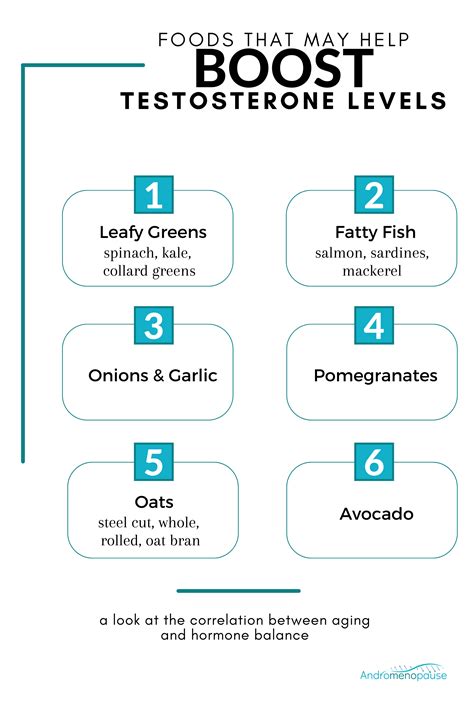
What you eat directly impacts your hormonal balance. To support healthy testosterone levels, focus on a diet rich in whole, unprocessed foods. Prioritize lean proteins, which provide the amino acids necessary for hormone synthesis, and healthy fats, which are critical precursors to testosterone. Include sources like avocados, nuts, seeds, olive oil, and fatty fish.
Micronutrients are equally important. Zinc, found in oysters, beef, and pumpkin seeds, plays a vital role in testosterone production, as does magnesium, abundant in leafy greens, almonds, and dark chocolate. Vitamin D, often thought of as a vitamin but acting as a pro-hormone, is also crucial. Ensure your diet includes these key nutrients for optimal hormonal function.

Exercise Regimens That Make a Difference
Prioritize Strength Training
Resistance training is arguably one of the most effective forms of exercise for boosting testosterone. Compound movements that engage multiple large muscle groups, such as squats, deadlifts, bench presses, and rows, trigger a greater hormonal response. Aim for 3-4 strength training sessions per week, focusing on progressive overload to continually challenge your muscles.
Incorporate High-Intensity Interval Training (HIIT)
Short, intense bursts of exercise followed by brief recovery periods have also been shown to stimulate testosterone production. HIIT can be incorporated into various forms of exercise, including sprinting, cycling, or bodyweight circuits. Be mindful not to overdo it, as excessive, prolonged endurance exercise can sometimes have the opposite effect on testosterone levels.
The Power of Rest and Recovery
Aim for Quality Sleep
Sleep is a non-negotiable component of hormone regulation. Most of your daily testosterone is produced while you sleep, particularly during deep REM cycles. Chronic sleep deprivation, even just a few nights of inadequate rest, can significantly lower testosterone levels. Aim for 7-9 hours of high-quality, uninterrupted sleep per night. Establish a consistent sleep schedule, create a dark, cool, and quiet sleep environment, and limit screen time before bed to enhance sleep quality.

Managing Stress and Lifestyle Factors
Combat Chronic Stress
When you’re stressed, your body produces cortisol, a hormone that directly suppresses testosterone production. Chronic stress, whether from work, relationships, or financial pressures, can create a hormonal imbalance that works against optimal testosterone levels. Incorporate stress-reducing practices into your daily routine, such as meditation, yoga, deep breathing exercises, spending time in nature, or engaging in hobbies you enjoy.
Limit Alcohol and Environmental Toxins
Excessive alcohol consumption can negatively impact testosterone by interfering with the Leydig cells in the testes, which produce the hormone. Similarly, exposure to endocrine-disrupting chemicals found in plastics, pesticides, and certain personal care products can mimic or block hormones, thereby disrupting natural testosterone production. Minimize exposure where possible.

Essential Micronutrients and Sunlight Exposure
Optimize Vitamin D Levels
As mentioned, Vitamin D is crucial for testosterone production. While it can be obtained through diet, sunlight exposure is the most natural and effective way to boost your levels. Aim for 15-30 minutes of direct sun exposure daily, depending on your skin type and location. If sun exposure is limited, consider a high-quality vitamin D3 supplement, preferably under medical guidance to determine the appropriate dosage.
Ensure Adequate Zinc and Magnesium Intake
These two minerals are often overlooked but are essential cofactors in numerous enzymatic reactions, including those involved in testosterone synthesis. If your dietary intake isn’t sufficient, consider supplementation, always in consultation with a healthcare professional to avoid imbalances.

Conclusion: A Holistic Approach to Peak Vitality
Boosting testosterone naturally for peak vitality and performance isn’t about a single magic pill or a quick fix. It’s about a consistent, holistic commitment to healthy daily habits. By prioritizing nutrient-rich foods, engaging in effective exercise, ensuring quality sleep, managing stress, and optimizing essential micronutrients, men can significantly impact their hormonal health. These concerted efforts not only help maintain healthy testosterone levels but also contribute to overall physical and mental well-being, fostering a life of sustained energy, strength, and vitality.