




What daily habits boost male testosterone for peak energy & performance?

Unlocking Peak Male Vitality: The Power of Daily Habits
Testosterone is a critical hormone for men, influencing everything from muscle mass and bone density to mood, energy levels, and libido. While its levels naturally decline with age, many daily habits can significantly impact its production, helping men maintain optimal levels for peak energy and performance throughout life. Cultivating a lifestyle that supports healthy testosterone is not about quick fixes, but rather consistent, mindful choices.
1. Prioritize Strength Training and High-Intensity Exercise
Regular physical activity, particularly resistance training, is one of the most effective natural testosterone boosters. Lifting weights or engaging in bodyweight exercises stimulates muscle growth, which in turn signals the body to produce more testosterone. High-intensity interval training (HIIT) has also shown promise in elevating testosterone levels by challenging the body in short, intense bursts.
Aim for at least 3-4 sessions of strength training per week, focusing on compound movements like squats, deadlifts, bench presses, and rows that engage multiple muscle groups. Incorporate HIIT sessions a couple of times a week for added benefit. Consistency is key; make exercise an unbreakable part of your routine.
![Does Exercise Boost Testosterone Levels? [10 Moves To Boost T]](/images/aHR0cHM6Ly90czIubW0uYmluZy5uZXQvdGg/aWQ9T0lQLnM5MGJuVWlJVFMyeWM2cUNPRmI3UFFIYUVLJnBpZD0xNS4x.webp)
2. Optimize Your Diet for Hormonal Health
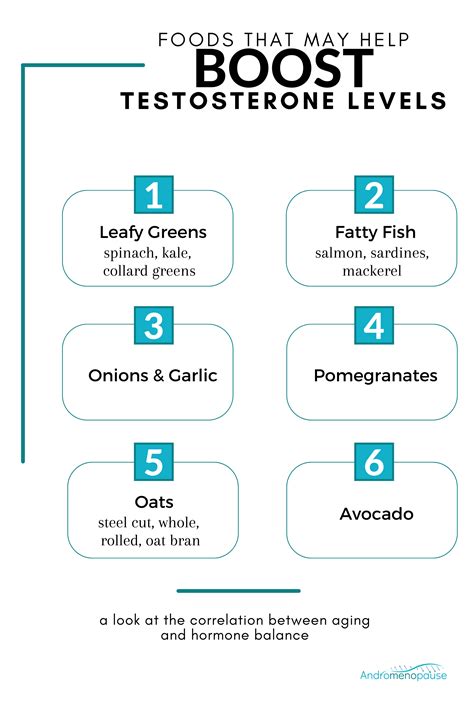
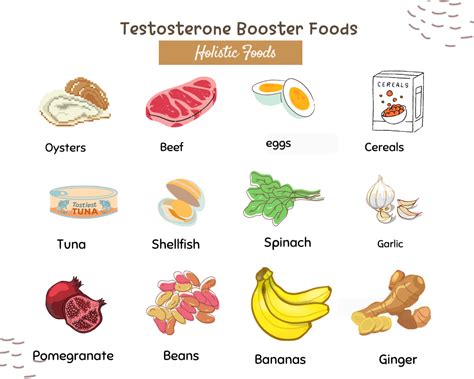
What you eat plays a profound role in hormone production. A diet rich in whole foods, healthy fats, quality protein, and essential micronutrients is fundamental for robust testosterone levels. Ensure you’re getting:
- Healthy Fats: Monounsaturated and polyunsaturated fats (found in avocados, nuts, olive oil, fatty fish) are crucial for hormone synthesis. Don’t shy away from saturated fats from healthy sources in moderation.
- Protein: Adequate protein intake (lean meats, poultry, fish, eggs, legumes) supports muscle repair and growth, indirectly aiding testosterone production.
- Micronutrients: Zinc, Vitamin D, and Magnesium are especially important. Zinc is found in oysters, red meat, and pumpkin seeds; Vitamin D comes from sunlight exposure and fatty fish; Magnesium is abundant in leafy greens, nuts, and seeds.
Conversely, limit processed foods, excessive sugar, and refined carbohydrates, as these can contribute to inflammation and insulin resistance, both of which negatively impact testosterone.
3. Prioritize Quality Sleep
Sleep is when your body repairs, recovers, and regulates hormones. Chronic sleep deprivation can drastically lower testosterone levels. Studies show that even a week of restricted sleep can significantly decrease testosterone in healthy young men. Aim for 7-9 hours of high-quality sleep per night.
To improve sleep hygiene:
- Go to bed and wake up at consistent times, even on weekends.
- Create a cool, dark, and quiet bedroom environment.
- Avoid screens, caffeine, and heavy meals close to bedtime.
4. Manage Stress Effectively
Chronic stress elevates cortisol, a hormone that directly antagonizes testosterone. When cortisol levels are consistently high, testosterone production often suffers. Finding healthy ways to manage stress is vital for hormonal balance.
Incorporate stress-reducing practices into your daily life:
- Mindfulness meditation or deep breathing exercises.
- Spending time in nature.
- Engaging in hobbies or activities you enjoy.
- Regular social connection and laughter.

5. Get Enough Sunlight and Vitamin D
Vitamin D, often called the ‘sunshine vitamin,’ is actually a hormone that plays a crucial role in testosterone production. Research indicates a strong correlation between sufficient Vitamin D levels and higher testosterone. Regular, safe sun exposure is the best way to get Vitamin D.
If you live in a region with limited sun or during winter months, consider supplementation under medical guidance. Aim for 10-30 minutes of midday sun exposure several times a week, exposing a good portion of your skin without sunscreen, if safe for your skin type.

6. Limit Alcohol and Avoid Endocrine Disruptors
Excessive alcohol consumption can disrupt hormone balance, including testosterone. While moderate intake might be acceptable for some, heavy drinking should be avoided. Furthermore, many everyday products contain chemicals known as endocrine disruptors (e.g., BPA in plastics, phthalates in personal care products) that can mimic or interfere with hormones.
Opt for glass or stainless steel containers, choose natural personal care products, and be mindful of what you expose your body to in your environment.

Conclusion
Boosting testosterone naturally for peak energy and performance is an achievable goal through consistent daily habits. By integrating strength training, a nutrient-dense diet, sufficient sleep, effective stress management, adequate Vitamin D, and limiting harmful chemicals, men can significantly improve their hormonal health. These holistic changes not only support healthy testosterone levels but also contribute to overall well-being, vitality, and a higher quality of life. Make these habits a cornerstone of your daily routine to unlock your full potential.