




What daily diet optimizes energy, focus, and strength for men?

For men aiming to excel in their daily lives, whether at work, in the gym, or with family, optimizing energy, focus, and strength is paramount. While exercise and sleep play vital roles, diet stands as the cornerstone of achieving these goals. A well-constructed daily eating plan can significantly impact cognitive function, physical endurance, and muscle development, providing the sustained vitality necessary for peak performance.
The Foundations: Macronutrient Balance
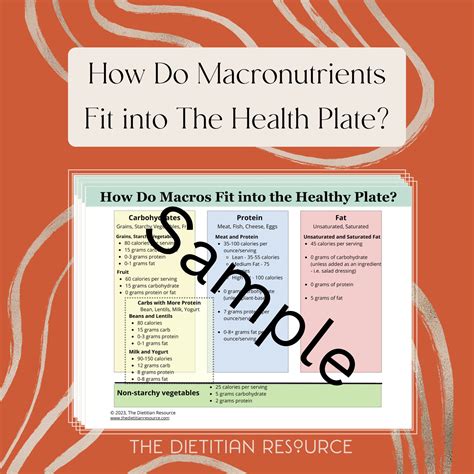
A successful diet begins with the right balance of macronutrients – proteins, carbohydrates, and fats. Each plays a distinct yet interconnected role in a man’s overall well-being.
Protein: The Building Block of Strength
Protein is crucial for muscle repair and growth, hormonal health, and satiety. Aim for lean sources such as chicken breast, turkey, fish (salmon, tuna), lean beef, eggs, dairy, and plant-based options like lentils, beans, and tofu. Distribute protein intake throughout the day to support continuous muscle protein synthesis.
Complex Carbohydrates: Fuel for Energy and Focus
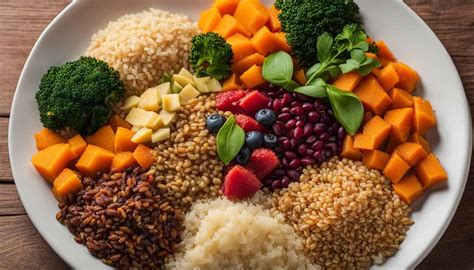
Often misunderstood, carbohydrates are the body’s primary energy source, essential for both physical activity and cognitive function. Prioritize complex carbohydrates that release glucose slowly, providing sustained energy without sharp spikes and crashes. Excellent choices include oats, quinoa, brown rice, whole-grain bread, sweet potatoes, and various fruits and vegetables.
Healthy Fats: Essential for Hormones and Brain Health
Healthy fats are vital for hormone production (including testosterone), nutrient absorption, and brain health. Incorporate sources like avocados, nuts (almonds, walnuts), seeds (chia, flax, hemp), olive oil, and fatty fish. These fats provide sustained energy and support cognitive sharpness.
Crucial Micronutrients for Peak Performance
Beyond macronutrients, a range of vitamins and minerals are critical for energy metabolism, cognitive function, and muscle health. Ensure your diet is rich in:
- B Vitamins: Essential for converting food into energy. Found in whole grains, meat, eggs, and leafy greens.
- Vitamin D: Linked to testosterone levels, bone health, and mood. Sunlight exposure and foods like fatty fish and fortified dairy are key.
- Magnesium: Important for muscle function, nerve transmission, and energy production. Abundant in leafy greens, nuts, seeds, and whole grains.
- Zinc: Crucial for immune function, protein synthesis, and testosterone production. Found in oysters, red meat, poultry, and beans.
- Iron: Vital for oxygen transport and preventing fatigue. Sources include red meat, spinach, lentils, and fortified cereals.
Hydration: The Unsung Hero
Often overlooked, adequate hydration is fundamental for optimal energy, focus, and strength. Dehydration can lead to fatigue, reduced cognitive function, and impaired physical performance. Aim to drink plenty of water throughout the day, typically 8-10 glasses, and more if you are physically active or in a hot environment. Herbal teas and water-rich fruits and vegetables also contribute.

Strategic Meal Timing and Frequency
Eating regularly, typically 3 main meals and 1-2 snacks, can help maintain stable blood sugar levels, preventing energy dips and ensuring a steady supply of nutrients. Pre and post-workout nutrition is also critical: a meal with complex carbs and protein 1-2 hours before exercise provides fuel, while a post-workout meal within an hour aids recovery and muscle repair.
Key Foods to Embrace for Men’s Health
To put it all together, focus on a diet rich in:
- Lean Proteins: Chicken, turkey, fish, lean beef, eggs, dairy, legumes.
- Whole Grains: Oats, quinoa, brown rice, whole-wheat bread.
- Abundant Fruits and Vegetables: A wide variety for diverse micronutrients and antioxidants. Berries, leafy greens, broccoli, bell peppers, etc.
- Healthy Fats: Avocados, nuts, seeds, olive oil, fatty fish.
- Fermented Foods: Yogurt, kefir, sauerkraut for gut health.

Foods to Limit or Avoid
To optimize your diet, it’s equally important to limit or avoid:
- Processed Foods: Often high in unhealthy fats, sugar, and sodium, contributing to inflammation and energy crashes.
- Excessive Added Sugar: Found in sodas, sweets, and many packaged foods, leading to energy spikes followed by deep lows.
- Unhealthy Trans and Saturated Fats: Found in fried foods and many fast-food items, contributing to poor heart health.
- Excessive Alcohol: Can impair sleep, hormone balance, and nutrient absorption.
Gut Health and its Impact
A healthy gut microbiome is increasingly recognized for its profound impact on energy, mood, and overall health. Incorporate fiber-rich foods (fruits, vegetables, whole grains) and fermented foods (yogurt, kefir, kimchi) to foster a thriving gut environment, which enhances nutrient absorption and supports the gut-brain axis for better focus.
Consistency and Personalization
The optimal diet isn’t a one-size-fits-all solution. While these guidelines provide a strong framework, personal needs, activity levels, and preferences should guide your choices. Consistency is key; small, sustainable changes yield the best long-term results. Consider consulting with a nutritionist or dietitian to tailor a plan specifically for your body and goals.

Conclusion
Optimizing energy, focus, and strength for men through diet is an achievable goal that profoundly impacts quality of life. By prioritizing a balanced intake of lean proteins, complex carbohydrates, healthy fats, and a spectrum of micronutrients, coupled with diligent hydration and smart food choices, men can unlock their full potential. Embrace a whole-foods-based approach, listen to your body, and make consistent, healthy choices to fuel a life of vitality and high performance.