

Top recovery tech for faster muscle regeneration?

The Science of Speedy Recovery: How Tech Boosts Muscle Regeneration
In the relentless pursuit of peak athletic performance, recovery is no longer an afterthought; it’s a critical component. Modern athletes and fitness enthusiasts understand that true gains happen not just during the workout, but in the intelligent recovery that follows. Fortunately, a new wave of recovery technology is revolutionizing how we regenerate muscles, reduce soreness, and prepare for the next challenge. From targeted compression to advanced electrical stimulation, these innovative tools are helping individuals bounce back faster and stronger.
Compression Therapy: The Power of Pressure
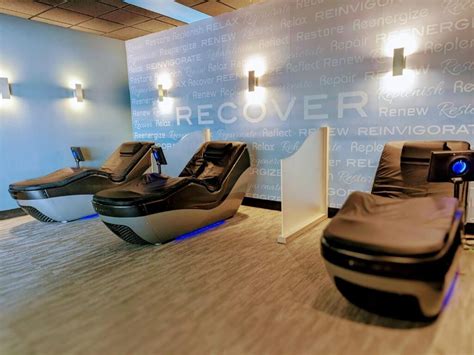
One of the most widely adopted recovery technologies is dynamic compression therapy. Devices like pneumatic compression boots work by sequentially inflating and deflating air chambers around the limbs. This action mimics the natural muscle pump of the body, enhancing circulation and facilitating the removal of metabolic waste products, such as lactic acid, which accumulate during intense exercise. By improving blood flow, oxygen and nutrients are delivered more efficiently to fatigued muscles, speeding up repair and regeneration. Athletes often report reduced muscle soreness and a feeling of freshness after just one session.
Percussive Therapy: Deep Tissue on Demand
Massage guns have exploded in popularity, becoming a staple in many gym bags and recovery protocols. These handheld devices deliver rapid, repetitive percussive strokes deep into muscle tissue. The benefits are multi-faceted: they help to increase blood flow to specific areas, release muscle knots and tension, improve range of motion, and reduce post-exercise muscle soreness (DOMS). By targeting specific muscle groups, percussive therapy can provide a quick and effective way to warm up muscles pre-workout and aid recovery post-workout, breaking up adhesions and promoting localized healing.

Electro-Stimulation (EMS & TENS): Targeted Muscle Activation and Pain Relief
Electrical muscle stimulation (EMS) and Transcutaneous Electrical Nerve Stimulation (TENS) devices utilize small electrical impulses to aid in muscle recovery and pain management. EMS works by causing muscles to contract and relax, similar to how they would during exercise, but without the strain on joints and tendons. This can help improve blood flow, reduce muscle atrophy, and re-educate muscles. TENS, on the other hand, primarily focuses on pain relief by blocking pain signals to the brain and stimulating the release of endorphins. Both technologies offer non-invasive ways to accelerate healing and manage discomfort, making them valuable assets in a comprehensive recovery strategy.
Cryotherapy and Heat Therapy: The Hot and Cold Approach
While not entirely new, modern applications of cryotherapy and heat therapy are more accessible and sophisticated than ever. Whole-body cryotherapy chambers expose the body to extremely cold temperatures for short durations, aiming to reduce inflammation and promote systemic healing. Localized cryotherapy targets specific areas. Conversely, infrared saunas use radiant heat to penetrate tissues, increasing circulation, promoting detoxification, and relaxing muscles. Many recovery protocols now integrate both cold and heat, leveraging their synergistic effects to reduce swelling, alleviate pain, and enhance overall muscle repair.

Smart Wearables and Biofeedback: Data-Driven Recovery
Beyond physical tools, intelligent wearables are playing a pivotal role in optimizing recovery. Devices like Oura Rings, Whoop straps, and advanced sports watches monitor crucial physiological markers such as heart rate variability (HRV), sleep quality, body temperature, and recovery scores. By providing personalized insights into the body’s readiness, these technologies empower individuals to make informed decisions about their training intensity and recovery needs. Understanding your body’s unique response to stress and rest allows for a truly individualized approach to muscle regeneration, preventing overtraining and maximizing performance potential.
The Future is Fast
The landscape of recovery technology is continuously evolving, with innovations pushing the boundaries of what’s possible for faster muscle regeneration. From AI-driven personalized recovery plans to advanced biochemical sensors, the future promises even more precise and effective tools. Integrating these technologies into your routine can significantly shorten recovery times, mitigate injury risks, and ultimately lead to more consistent training and superior athletic outcomes. Investing in smart recovery is not just about healing; it’s about unlocking your full potential and staying ahead in the game.