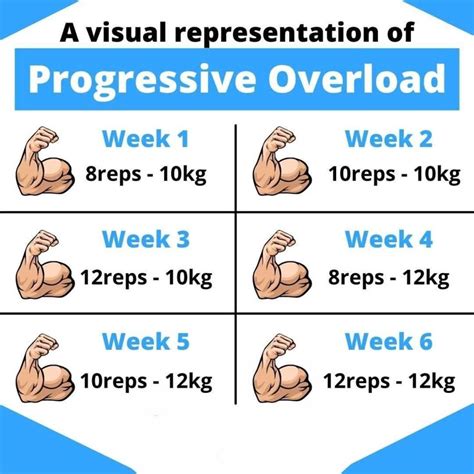
How to optimize progressive overload for muscle gain?
Progressive overload is the fundamental principle for continuous muscle growth, requiring a systematic approach to gradually increase the demands placed on your muscles over time.
Redefining Men’s Lifestyle for Peak Performance.






Progressive overload is the fundamental principle for continuous muscle growth, requiring a systematic approach to gradually increase the demands placed on your muscles over time.

For men aiming to build significant muscle mass while still prioritizing crucial recovery, the Push-Pull-Legs (PPL) training split is widely considered one of the most effective and commonly adopted patterns.

The Push/Pull/Legs (PPL) workout split is widely regarded as one of the most effective and popular training protocols for men aiming to build significant muscle mass due to its balanced approach to training frequency and muscle recovery.

For men seeking to maximize muscle mass and achieve hypertrophy, the optimal rep range is more nuanced than a single number, often involving a strategic combination of low, moderate, and high repetitions performed close to muscular failure to stimulate comprehensive growth.

A pervasive misconception among men is that only heavy, low-repetition lifting is effective for significant muscle mass gains in the chest and arms, overlooking the crucial role of diverse rep ranges.

Many men hinder their muscle growth by adopting a “more is better” mentality, leading to insufficient recovery and plateaued progress rather than optimizing training frequency and intensity.
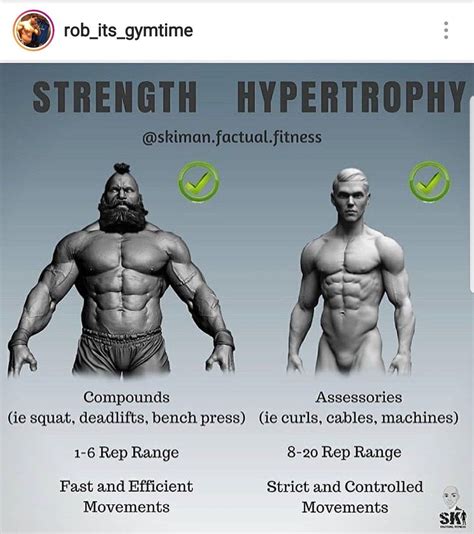
For men targeting muscle growth (hypertrophy) on the bench press, a commonly recommended rep range is 6-12 repetitions per set, performed with challenging weight near failure.

While the traditional 6-12 rep range is highly effective, current research suggests that a broader spectrum of repetitions, from low to high, can stimulate muscle hypertrophy when training close to failure and maintaining sufficient volume.
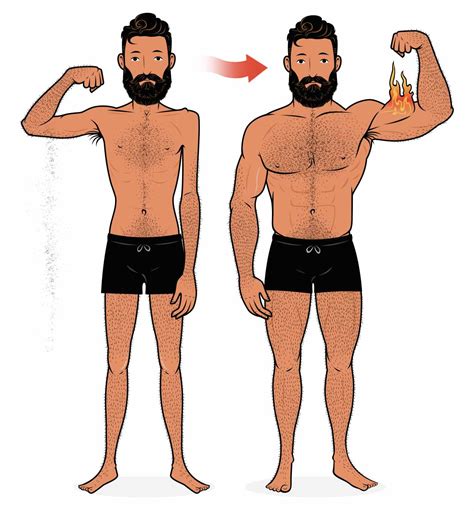
While the traditional 8-12 rep range is effective for muscle hypertrophy, modern science indicates that significant muscle growth can occur across a broad spectrum of rep ranges, from low to high, provided sets are taken close to failure and progressive overload is applied.