





Stuck on your lifts? What’s the best progressive overload strategy for men?

Hitting a wall in your strength training journey can be incredibly frustrating. You’ve been consistently lifting, pushing hard, yet your numbers on the bench press, squat, or deadlift just aren’t moving. This common scenario often leads men to question their routine and seek out more effective ways to continually challenge their muscles and foster growth. The answer lies in understanding and implementing progressive overload strategies.
What is Progressive Overload?
At its core, progressive overload is the gradual increase in stress placed on the musculoskeletal system during exercise. It’s the fundamental principle for building muscle and increasing strength. Without continually challenging your muscles beyond their previous limits, they have no reason to adapt, grow stronger, or get bigger. If you keep doing the same thing, your body will simply maintain its current state.
Why Are You Stuck? Common Plateau Causes
Before diving into solutions, it’s crucial to identify why you might be stuck. Common culprits include: always doing the same weight and reps, neglecting proper form, insufficient recovery (sleep and deloads), poor nutrition, chronic stress, or simply not having a clear plan for progression. Many men unknowingly hit a plateau because they lack a systematic approach to making their workouts harder.

Core Progressive Overload Strategies
There isn’t a single “best” strategy, but rather a toolbox of methods you can employ. The key is to cycle through them or combine them intelligently.
1. Increase the Weight (Load Progression)
This is the most straightforward and often the first method people think of. Once you can comfortably complete your target reps and sets with good form, it’s time to add more weight. Even small increments (e.g., 2.5 lbs) over time add up significantly. This directly challenges your muscles to produce more force.
2. Increase Reps or Sets (Volume Progression)
If you can’t increase the weight, increase the total amount of work. This could mean doing more repetitions per set with the same weight (e.g., going from 8 reps to 10 reps) or adding an extra set to your exercise (e.g., from 3 sets to 4 sets). This increases the overall volume and time under tension, stimulating growth through a different pathway.

3. Improve Technique and Range of Motion
Sometimes, getting stronger isn’t about adding weight, but about performing the exercise more efficiently. Mastering your form allows you to better target the intended muscles and can often feel like adding weight, as you’re no longer relying on momentum or secondary muscles. Achieving a deeper squat or a fuller bench press range of motion increases the work done and the stimulus for growth.
4. Decrease Rest Times
Reducing the rest period between sets (e.g., from 90 seconds to 60 seconds) with the same weight and reps increases the intensity and metabolic stress. This is particularly effective for hypertrophy (muscle growth) and improving work capacity, though it might not be the primary driver for maximal strength.
5. Increase Training Frequency
Instead of hitting a muscle group once a week, consider training it two or three times a week. More frequent exposure to stimulus can accelerate adaptation, provided recovery is adequate. This is a common strategy in many effective strength programs.
6. Increase Time Under Tension (TUT)
This involves slowing down the eccentric (lowering) or concentric (lifting) phases of an exercise. For example, taking 3-4 seconds to lower the bar during a bench press. This keeps the muscle under stress for longer, promoting hypertrophy and improving muscle control.
7. Advanced Techniques (Drop Sets, Supersets, etc.)
For more experienced lifters, techniques like drop sets (reducing weight immediately after failure to continue reps), supersets (performing two exercises back-to-back with no rest), or forced reps can provide a significant shock to the system. These should be used sparingly due to their high intensity and recovery demands.
8. Periodization and Deloads
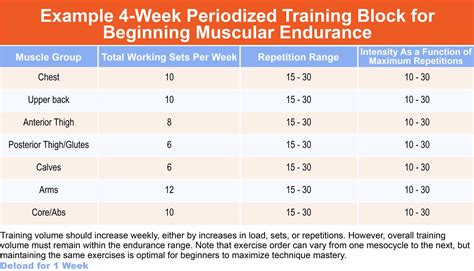
Periodization involves systematically varying your training variables (intensity, volume, exercise selection) over time. This prevents adaptation plateaus and helps manage fatigue. Similarly, strategic deload weeks (reducing volume/intensity significantly) allow your body to recover fully, repair tissues, and come back stronger, preventing burnout and injury.
The Best Strategy: A Holistic Approach
The “best” progressive overload strategy for men isn’t a single technique but rather an intelligent combination and rotation of these methods. For most men aiming for strength and muscle, prioritizing increasing weight and volume is paramount. However, when these stall, incorporating strategies like improving form, decreasing rest times, or using advanced techniques can help break through.
Listen to your body, track your progress meticulously, and be patient. Some lifts might respond better to load progression, while others might benefit more from increased volume or improved technique.
Practical Tips for Men to Break Plateaus
- Track Everything: Log your weights, reps, sets, and even rest times. This allows you to objectively see if you’re progressing.
- Prioritize Nutrition: Ensure you’re eating enough protein, carbohydrates, and healthy fats to fuel recovery and muscle growth. A slight caloric surplus is often necessary for building strength.
- Optimize Sleep: Aim for 7-9 hours of quality sleep per night. This is where most of your recovery and hormonal regulation for growth occurs.
- Stay Consistent: The most effective program is the one you stick to. Consistency beats intensity every time.
- Don’t Neglect Recovery: Incorporate mobility work, stretching, and active recovery days.

Conclusion
Breaking through a strength plateau requires a strategic and adaptable approach to progressive overload. By understanding the various methods—from simply adding weight to manipulating volume, frequency, and advanced techniques—and by ensuring your recovery and nutrition are on point, you can reignite your progress. Don’t let frustration win; implement these strategies, stay consistent, and watch your lifts climb again.