




Strategy to prevent razor bumps for a sharp, peak-performance look?

Understanding and Tackling Razor Bumps
Razor bumps, medically known as pseudofolliculitis barbae, are a common and frustrating issue for many individuals, particularly those with curly or coarse hair. They occur when shaved hair curls back into the skin, causing inflammation, redness, and painful bumps. Beyond discomfort, they can detract significantly from a sharp, well-groomed appearance. Fortunately, with a strategic approach to your shaving routine, you can drastically reduce their occurrence and maintain that peak-performance look.
Pre-Shave Preparation: The Foundation of Smoothness
The journey to preventing razor bumps begins even before the blade touches your skin. Proper preparation softens the hair and opens the pores, making for a much smoother and less irritating shave.
- Warm Water & Steam: Start by washing your face with warm water or applying a warm, damp towel for a few minutes. This softens the hair follicles and relaxes the skin, making hair easier to cut.
- Exfoliation: Gently exfoliate your skin 2-3 times a week, and especially before shaving. This helps to remove dead skin cells that can trap growing hairs and cause ingrowns. Use a mild scrub or a facial brush.
- Pre-Shave Oil or Cream: Apply a good quality pre-shave oil or cream. This creates a protective barrier between your skin and the razor, allowing for better glide and reducing friction and irritation.

Mastering the Shaving Technique
Your technique during the shave is paramount. Small adjustments can make a significant difference in preventing razor bumps.
- Sharp Blade is Key: Never use a dull razor blade. A sharp blade cuts hair cleanly, while a dull one tugs and pulls, increasing irritation and the likelihood of hair curling back. Replace your blade every 5-7 shaves or at the first sign of tugging.
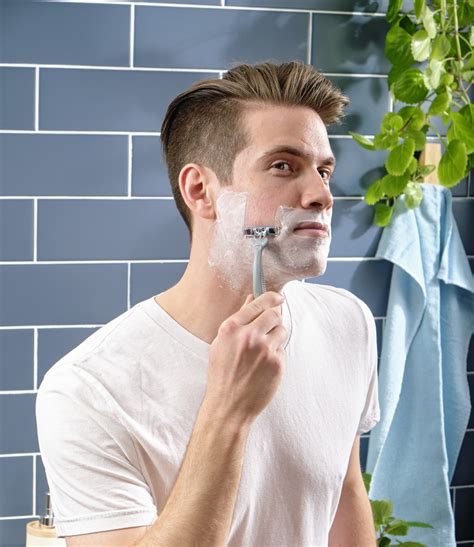
- Shave with the Grain: This is perhaps the most crucial rule. Shaving against the grain provides a closer shave but significantly increases the risk of razor bumps. Shave in the direction your hair grows to minimize irritation. For some areas, shaving across the grain might be acceptable, but never directly against it if you’re prone to bumps.
- Minimal Pressure: Let the razor do the work. Applying too much pressure can lead to cuts and irritation. Use short, light strokes.
- Rinse Blade Frequently: Keep your razor clean by rinsing it under hot water after every couple of strokes to prevent buildup of hair and shaving cream.
- Use a Quality Shaving Cream/Gel: A rich, lubricating shaving cream or gel helps the razor glide smoothly and protects the skin. Avoid aerosol foams with harsh chemicals that can dry out the skin.
Post-Shave Care: Soothe and Protect
What you do immediately after shaving is just as important as the preparation and the shave itself.
- Rinse with Cold Water: After shaving, rinse your face with cold water to close the pores and calm the skin.
- Pat Dry, Don’t Rub: Gently pat your skin dry with a clean, soft towel. Rubbing can irritate freshly shaved skin.
- Apply a Soothing Aftershave Balm: Choose an alcohol-free aftershave balm that contains soothing ingredients like aloe vera, witch hazel, or chamomile. These help to reduce redness, inflammation, and moisturize the skin. Avoid alcohol-based aftershaves, which can dry and irritate the skin.
- Moisturize: Follow with a good quality, non-comedogenic moisturizer to keep your skin hydrated and supple, further preventing ingrown hairs.

Choosing the Right Tools and Practices
The type of razor you use and your overall grooming habits play a significant role.
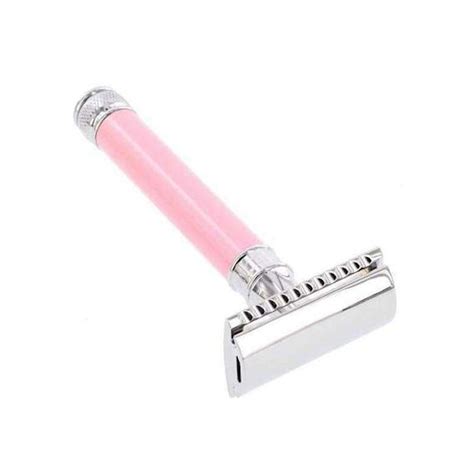
- Single-Blade or Safety Razors: Multi-blade razors can cut hair below the skin’s surface, increasing the chances of ingrown hairs. Consider switching to a single-blade safety razor or an electric shaver designed for sensitive skin, which cuts hair at skin level.
- Electric Shavers: If you’re highly prone to razor bumps, an electric shaver might be a better option as it provides a less aggressive shave. Look for models with hypoallergenic foils.
- Cleanliness: Always store your razor in a clean, dry place to prevent bacterial growth. Replace blades regularly.

Consistency is Key
Preventing razor bumps isn’t a one-time fix; it’s about establishing and maintaining a consistent, gentle grooming routine. Pay attention to how your skin reacts to different products and techniques, and adjust accordingly. If razor bumps persist despite these efforts, consult a dermatologist, who can offer specialized treatments or recommendations.
By integrating these strategies into your daily grooming regimen, you can significantly reduce the occurrence of razor bumps, ensuring your skin remains smooth, healthy, and contributes to that sharp, peak-performance look you desire.