





Strategies to overcome strength plateaus in compound lifts for peak performance?
Understanding and Conquering Strength Plateaus
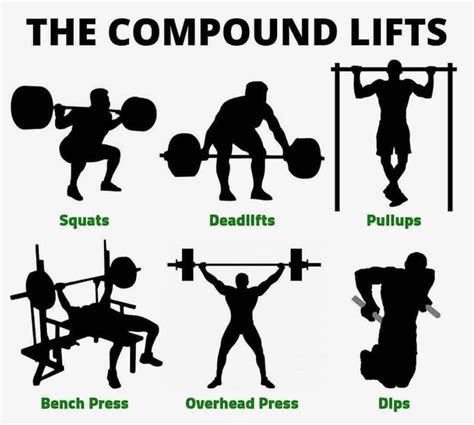
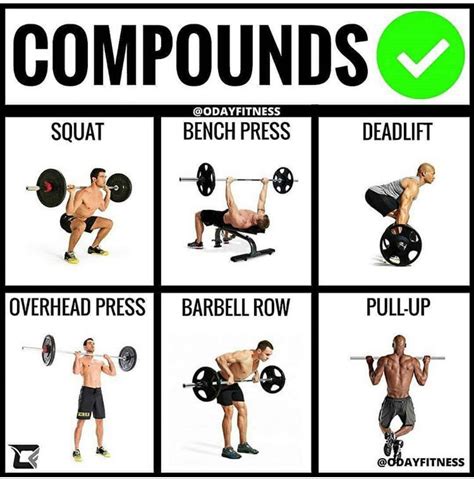
Hitting a strength plateau in your compound lifts – such as the squat, bench press, deadlift, or overhead press – is a common and often frustrating experience for lifters of all levels. What once felt like consistent progress can suddenly grind to a halt, leaving you questioning your training approach. A plateau signifies that your body has adapted to your current stimulus, and it’s time to introduce new challenges to force further adaptation and growth. Overcoming these sticking points requires a strategic and multi-faceted approach, focusing on various aspects of your training, recovery, and nutrition.
Re-evaluating Your Progressive Overload Strategy
The core principle of strength training is progressive overload, but the method of application needs to evolve. When a linear increase in weight stops working, consider alternative forms of progression:
- Micro-loading: Instead of 5-10lb jumps, try adding 1-2.5lbs. Small increases accumulate over time without shocking the system.
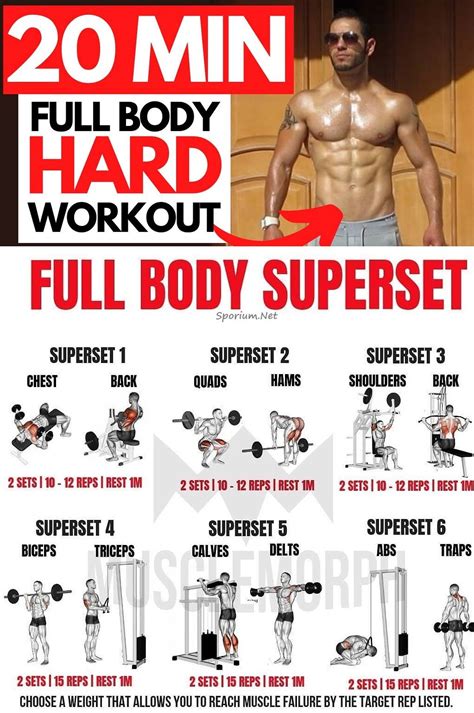
- Varying Rep and Set Schemes: If you always train in the 3-5 rep range, switch to 6-10 reps for a mesocycle, or incorporate higher volume sets (e.g., 5×5 instead of 3×5). This stimulates different muscle fibers and pathways.
- Tempo Training: Control the eccentric (lowering) and concentric (lifting) phases of the movement. Slower tempos increase time under tension and can improve muscle activation.
- Partial Reps or Overload Training: Carefully incorporate partial reps (e.g., rack pulls, board presses) to handle supra-maximal loads in specific ranges, but do so sparingly and with caution.

The Critical Role of Deloads and Recovery
Often overlooked, inadequate recovery is a primary culprit behind stalled progress. Your muscles don’t grow during the workout; they grow during rest and recovery. Incorporating strategic deloads is crucial:
- Scheduled Deload Weeks: Every 4-8 weeks, reduce your training volume (sets, reps) and intensity (weight) by 40-60% for a week. This allows your central nervous system (CNS) and musculoskeletal system to recover, repair, and supercompensate.
- Optimize Sleep: Aim for 7-9 hours of quality sleep per night. Sleep is when most of your body’s repair processes occur, including hormone regulation vital for strength.
- Nutrition and Hydration: Ensure you’re consuming enough calories, protein, carbohydrates, and healthy fats to support muscle repair and energy demands. Proper hydration is also essential for performance and recovery.

Identifying and Strengthening Weak Links with Accessory Work
A plateau in a compound lift often points to a specific weakness in the muscle groups involved. Analyze your lift to pinpoint where you fail:
- Squat: Weak core, glutes, or quads? Add exercises like front squats, glute bridges, good mornings, or core stability work.
- Bench Press: Triceps, chest, or shoulder stability? Incorporate close-grip bench, dumbbell presses, triceps extensions, or face pulls.
- Deadlift: Lower back, hamstrings, or grip strength? Romanian deadlifts (RDLs), hyperextensions, direct grip work, or pause deadlifts can help.
Focus on 2-3 targeted accessory exercises per major lift, performed with proper form and moderate volume, to bring up your lagging muscles.
Refining Form and Technique
Even experienced lifters can develop subtle form breakdowns under heavy loads. Imperfect technique can limit the weight you can lift and increase injury risk. Regularly review and refine your form:
- Video Analysis: Film your sets from multiple angles. Compare your form to expert lifters or review with a coach.
- Hire a Coach: An experienced coach can spot nuanced form issues you might miss and provide real-time feedback.
- Practice with Lighter Weights: Periodically dedicate sessions to perfecting form with submaximal weights, ensuring you’re maximally efficient when the weight gets heavy.
Strategic Program Variation and Periodization
Continuously doing the same routine, even with progressive overload, can lead to stagnation. Introducing systematic variation through periodization can be highly effective:
- Exercise Variation: Swap out similar exercises for a period (e.g., sumo deadlifts instead of conventional, pause squats instead of regular).
- Block Periodization: Structure your training into blocks focused on specific goals (e.g., hypertrophy block, strength block, peak block).
- Undulating Periodization: Vary intensity and volume more frequently, even within the same week, to provide varied stimuli (e.g., heavy day, moderate day, light day).
Embracing Mindset and Consistency
Breaking a plateau isn’t just physical; it’s also mental. Patience, consistency, and a positive mindset are paramount. Trust the process, track your progress meticulously, and celebrate small victories. Sometimes, the solution is simply to keep showing up, consistently applying intelligent effort, and allowing your body the time it needs to adapt.

Conclusion
Strength plateaus are not roadblocks but rather opportunities for intelligent adaptation and growth. By strategically varying your progressive overload, prioritizing recovery, addressing weak links, refining your technique, and implementing systematic program variations, you can effectively smash through your current limits. Remember that consistency, patience, and a willingness to analyze and adjust your approach are your most powerful tools on the journey to peak performance in your compound lifts.