




Strategies for naturally increasing testosterone for better gym gains?

Testosterone is a crucial hormone for muscle growth, strength, and overall vitality, especially for those aiming to maximize their efforts in the gym. While synthetic options exist, a wealth of natural strategies can effectively optimize your body’s testosterone production, leading to enhanced performance and better gains.

The Power of Resistance Training
Resistance training is arguably the most potent natural stimulator of testosterone. Compound exercises like squats, deadlifts, bench presses, and overhead presses engage multiple large muscle groups, triggering a significant hormonal response. Aim for heavy lifting with moderate volume. Studies consistently show that lifting heavy weights (around 75-90% of your one-rep max) with adequate rest periods can acutely boost testosterone levels. Consistency is key here; make resistance training a regular part of your routine.
Optimize Your Nutrition
Healthy Fats
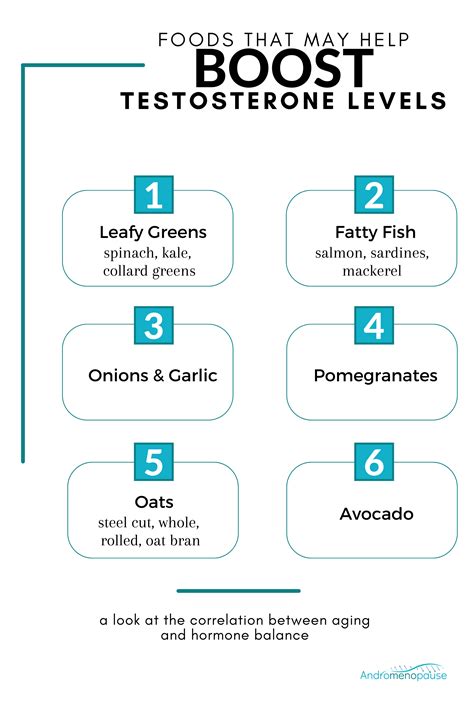
Don’t fear fats! Cholesterol is a precursor to testosterone, so incorporating healthy fats into your diet is essential. Sources like avocados, olive oil, nuts, seeds, and fatty fish (salmon, mackerel) provide monounsaturated and polyunsaturated fats critical for hormone production.
Protein Intake
Adequate protein is vital for muscle repair and growth, indirectly supporting a hormonal environment conducive to testosterone. Aim for 0.7-1 gram of protein per pound of body weight from sources like lean meats, poultry, eggs, and legumes.

Micronutrients
Specific vitamins and minerals play a direct role in testosterone synthesis:
- Vitamin D: Often called the “sunshine vitamin,” Vitamin D is crucial for numerous bodily functions, including hormone regulation. Spend time outdoors or consider supplementation, especially if you have limited sun exposure.
- Zinc: This mineral is directly involved in testosterone production. Oysters, red meat, poultry, beans, nuts, and whole grains are excellent sources. Zinc deficiency can significantly impair testosterone levels.
- Magnesium: Similar to zinc, magnesium contributes to free testosterone levels. Leafy greens, nuts, seeds, legumes, and whole grains are rich in magnesium.
Prioritize Quality Sleep
Sleep deprivation can dramatically lower testosterone levels. The majority of your daily testosterone is produced during sleep, particularly during deep REM cycles. Aim for 7-9 hours of high-quality, uninterrupted sleep per night. Establish a consistent sleep schedule, create a dark, cool, and quiet sleep environment, and limit screen time before bed to optimize your body’s natural hormone production.
![100+ Man Images [HD] | Download Free Images on Unsplash](/images/aHR0cHM6Ly90czMubW0uYmluZy5uZXQvdGg/aWQ9T0lQLmU1aEpXdW9jM1I4Tm9uLWVfWDNjbkFIYUxHJnBpZD0xNS4x.webp)
Manage Stress Effectively
Chronic stress elevates cortisol, a hormone that has an antagonistic relationship with testosterone. When cortisol levels are high for extended periods, testosterone production can suffer. Incorporate stress-reducing practices into your daily life. This could include meditation, yoga, deep breathing exercises, spending time in nature, or engaging in hobbies you enjoy. Finding healthy outlets for stress is crucial for hormonal balance.
Maintain a Healthy Body Weight
Being overweight or obese, particularly carrying excess visceral fat, is strongly linked to lower testosterone levels. Adipose tissue contains an enzyme called aromatase, which converts testosterone into estrogen. Conversely, being excessively lean can also negatively impact testosterone production. Strive for a healthy body fat percentage that supports optimal hormonal function, typically in the range of 10-20% for men.
Naturally increasing testosterone involves a holistic approach, combining strategic resistance training, optimal nutrition, sufficient sleep, and effective stress management. By consistently implementing these strategies, you can create an environment within your body that supports robust testosterone production, leading to significant improvements in muscle mass, strength, and overall gym performance. Consistency and patience are key to unlocking your natural potential.