




Shave smarter: Prevent razor burn & ingrowns for peak skin performance?
Unlock Your Best Shave: A Guide to Irritation-Free Skin
For many, shaving is a daily ritual, yet it often comes with unwanted guests: razor burn and ingrown hairs. These common irritations can transform a routine into a chore, leaving skin red, bumpy, and uncomfortable. But what if you could turn your shave into a performance-enhancing step for your skin, achieving a consistently smooth and healthy look? The secret lies in understanding the science of shaving and adopting smarter techniques. This comprehensive guide will equip you with the knowledge and practices to banish razor burn and ingrowns for good, paving the way for peak skin performance.
Understanding the Enemy: Razor Burn & Ingrown Hairs
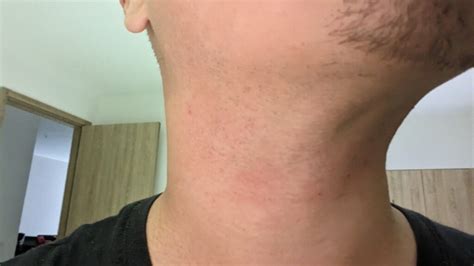
Before we conquer them, let’s understand what we’re fighting. Razor burn is an acute irritation of the skin caused by improper shaving techniques, dull blades, or a lack of lubrication. It manifests as redness, stinging, and sometimes small, inflamed bumps. Ingrown hairs, on the other hand, occur when a hair curls back or grows sideways into the skin instead of growing out and up. This often happens after shaving, waxing, or plucking, and can lead to inflamed, itchy bumps, sometimes with a visible hair trapped underneath.
Both issues are largely preventable, and their root causes often overlap. Dry shaving, excessive pressure, shaving against the grain, and inadequate skin preparation are prime contributors. The good news is, with a few adjustments to your routine, you can significantly reduce, if not entirely eliminate, these annoying skin problems.

Pre-Shave Prep: Laying the Foundation for Success
A smart shave begins long before the blade touches your skin. Proper preparation softens hairs, opens pores, and creates a protective barrier, minimizing friction and irritation. Start by washing your face or the area to be shaved with warm water and a gentle cleanser. This helps remove dirt, oil, and dead skin cells, which can clog pores and dull your razor. For an extra step, consider a mild exfoliant 1-2 times a week to keep follicles clear.
Applying a warm, damp towel to your skin for a few minutes can further soften the hair follicles, making them easier to cut. Follow this with a high-quality pre-shave oil. Pre-shave oil creates an additional layer of lubrication, allowing the razor to glide more smoothly and protecting your skin from direct blade contact. This step is a game-changer for those prone to razor burn.
The Art of the Shave: Techniques for a Smooth Glide
The actual shaving process is where technique truly shines. First and foremost, always use a sharp, clean razor blade. A dull blade drags, pulls, and causes irritation, while a clogged blade can harbor bacteria. Replace your cartridges or disposable razors every 5-7 shaves, or at the first sign of tugging. Apply a generous layer of high-quality shaving cream, gel, or foam. Look for formulations with moisturizing ingredients that create a rich lather and help the blade glide effortlessly.
When shaving, move in the direction of hair growth (with the grain) with light, short strokes. Avoid pressing too hard; let the sharpness of the blade do the work. Shaving against the grain might give a closer shave, but it significantly increases the risk of razor burn and ingrown hairs, especially for those with sensitive skin or curly hair. Rinse your razor frequently under warm water to clear away hair and product buildup.

Post-Shave Care: Soothe, Protect, and Prevent
The shave isn’t over until you’ve properly cared for your skin. Immediately after shaving, rinse your face with cool water to close pores and remove any residual shaving cream. Gently pat your skin dry with a clean towel; do not rub vigorously. Follow up with an aftershave balm or lotion, ideally one that is alcohol-free and contains soothing ingredients like aloe vera, witch hazel, or chamomile. These ingredients help calm irritated skin, reduce redness, and prevent inflammation.
For an extra layer of protection against ingrown hairs, consider a product containing salicylic acid or glycolic acid a few times a week. These gentle exfoliants help keep follicles clear and prevent hairs from getting trapped under the skin. Always finish with a good moisturizer to keep your skin hydrated and supple, strengthening its natural barrier.

Long-Term Strategies and Troubleshooting
Consistent adherence to these smart shaving practices will significantly reduce issues. However, if you continue to struggle, here are some additional tips:
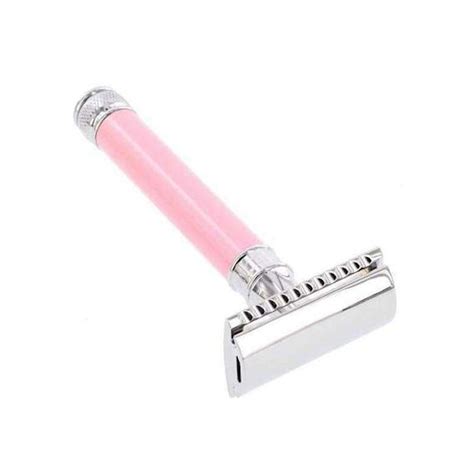
- Blade Type: Experiment with different razor types. Some find multi-blade razors too aggressive, preferring a single-blade safety razor or an electric shaver for less irritation.
- Frequency: If possible, shave less frequently. Giving your skin a day or two to recover can make a big difference.
- Product Check: Review your shaving products. Ingredients like menthol, alcohol, and strong fragrances can be irritating. Opt for hypoallergenic, fragrance-free options.
- Stubborn Ingrowns: Never pick or squeeze ingrown hairs, as this can lead to infection and scarring. Instead, apply a warm compress to the area to help the hair emerge naturally. Topical treatments designed to reduce inflammation and promote exfoliation can also be helpful.

Conclusion: Embrace the Smart Shave for Superior Skin
Achieving peak skin performance and an irritation-free shave is entirely within reach. By integrating thoughtful preparation, mindful technique, and diligent post-shave care into your routine, you can transform a potentially irritating chore into a refreshing act of self-care. Say goodbye to razor burn and ingrown hairs, and hello to a consistently smooth, comfortable, and healthy complexion. Your skin will thank you.